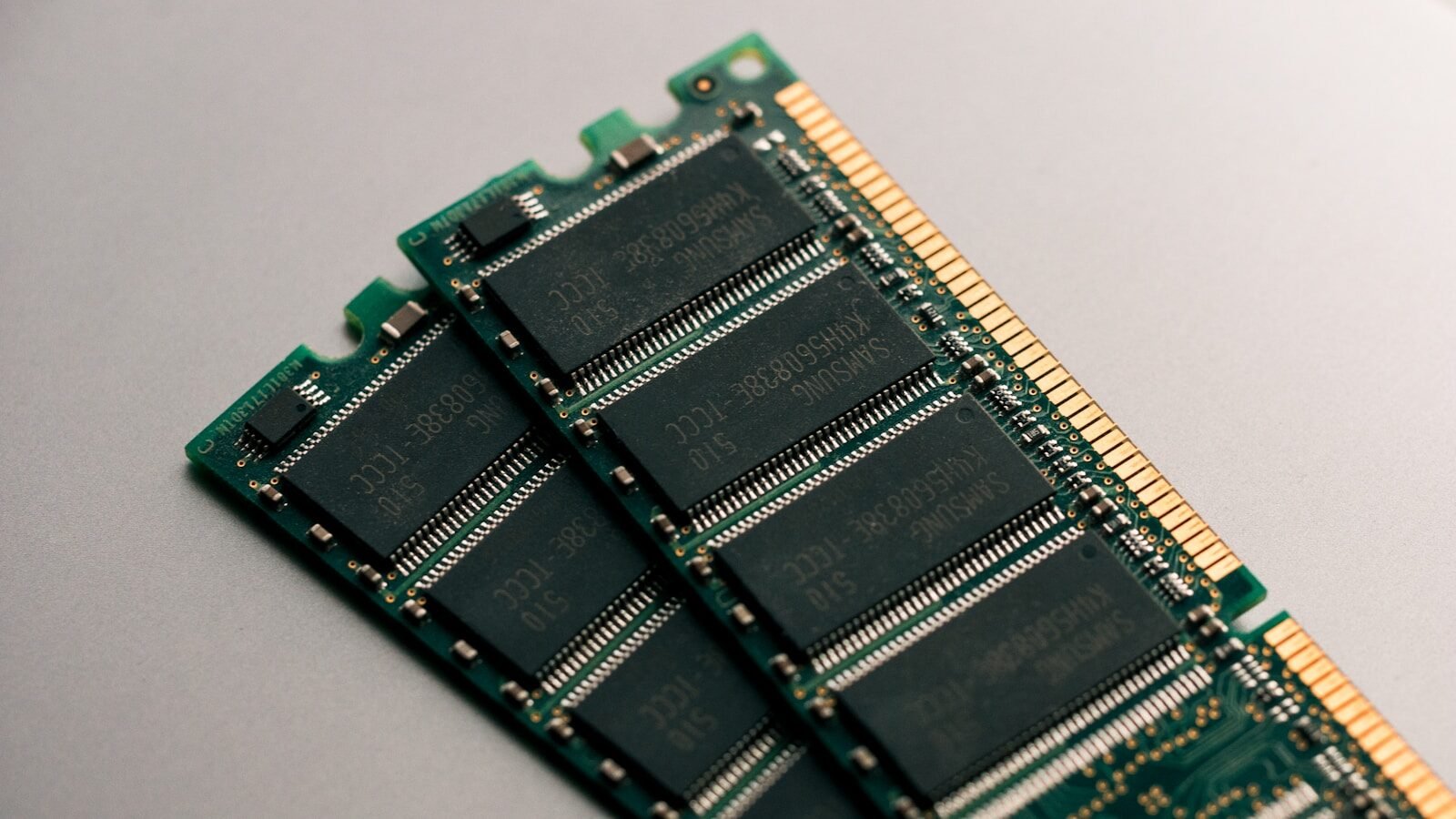
RAM stands for Random Access Memory. It is a type of temporary memory that helps your computer work with active programs and files. RAM is very important because it affects how smoothly a computer runs.
When you open a program, the computer loads information into RAM so it can be used quickly. For example, when you open a web browser, a document, a video, or a game, the computer uses RAM to keep that activity ready while you work.
RAM is temporary. This means it does not keep information forever. When you turn off the computer, the information in RAM disappears. This is different from storage, such as a hard drive or SSD, which keeps files even when the computer is turned off.
A simple way to understand RAM is to think of it as a work table. The bigger the table, the more papers and tools you can spread out while working. If the table is too small, work becomes crowded and slow. In the same way, more RAM allows the computer to handle more tasks at once.
If a computer has too little RAM, it may run slowly when several programs are open. It may freeze, take longer to switch between windows, or struggle with large files. This often happens when someone opens many browser tabs, uses video meeting software, or runs heavy programs.
RAM is measured in gigabytes, written as GB. Some basic computers may have 4 GB of RAM. Many everyday computers have 8 GB. Computers used for heavier work may have 16 GB, 32 GB, or more.
For basic tasks such as email, internet browsing, typing documents, and watching videos, 8 GB of RAM is often enough. For gaming, video editing, design work, or many programs at the same time, 16 GB or more is better.
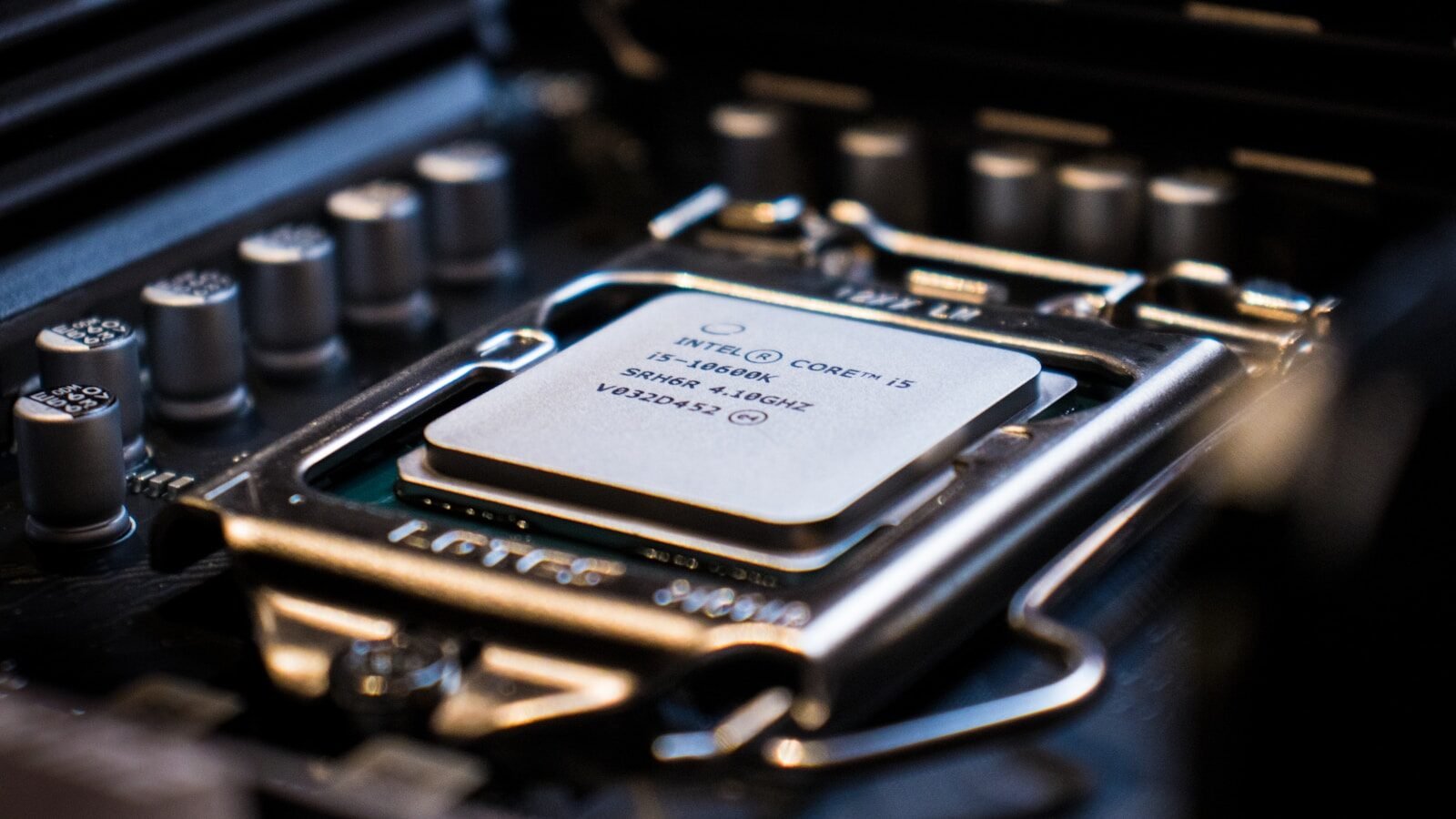
RAM works closely with the CPU. The CPU processes instructions, and RAM gives the CPU quick access to the information it needs. If the CPU is strong but the RAM is too low, the computer may still feel slow.
RAM also helps with multitasking. Multitasking means doing several things at once. For example, you might listen to music, open a spreadsheet, attend an online meeting, and browse the internet. Enough RAM helps the computer manage these tasks.
Some computers allow RAM upgrades. This means you can add more RAM later. Desktop computers are often easier to upgrade than laptops. Some laptops have RAM that is built in and cannot be replaced, so it is good to check before buying.
RAM is different from storage. Many beginners confuse the two. RAM is temporary working memory. Storage is where files are saved permanently. A computer can have a large storage drive but still be slow if it has too little RAM.
In conclusion, RAM is important because it helps the computer run programs and handle tasks smoothly. More RAM can improve speed, multitasking, and performance. Understanding RAM helps beginners choose better computers and solve common performance problems.
Published by: All About Computer Website
Category: Computer Components