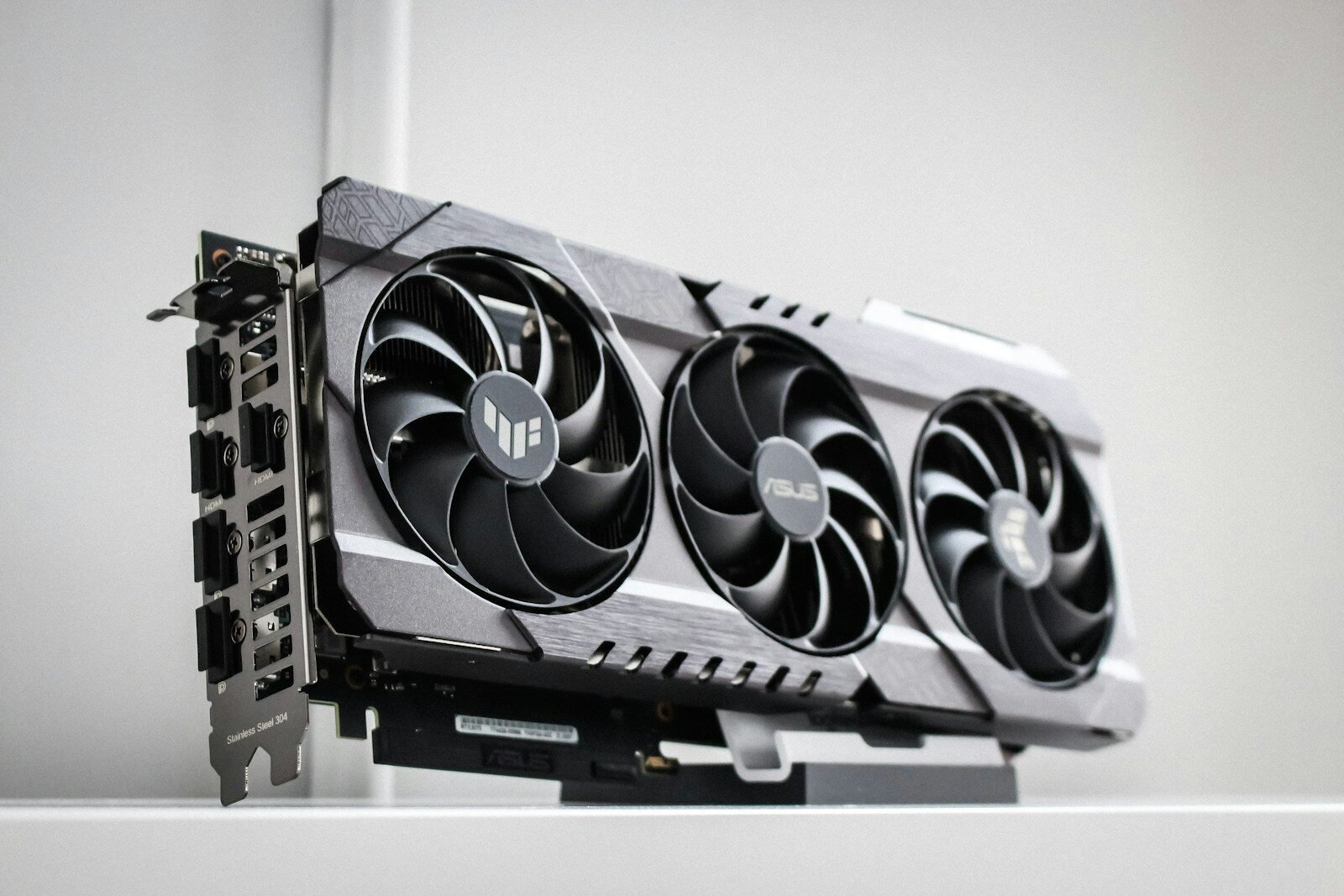
A graphics card is a computer component that helps create the images you see on the monitor. It is also called a video card or GPU. GPU stands for Graphics Processing Unit.
The graphics card processes visual information. This includes pictures, videos, games, animations, website graphics, and everything displayed on the screen. Without graphics processing, the computer could not show images properly.
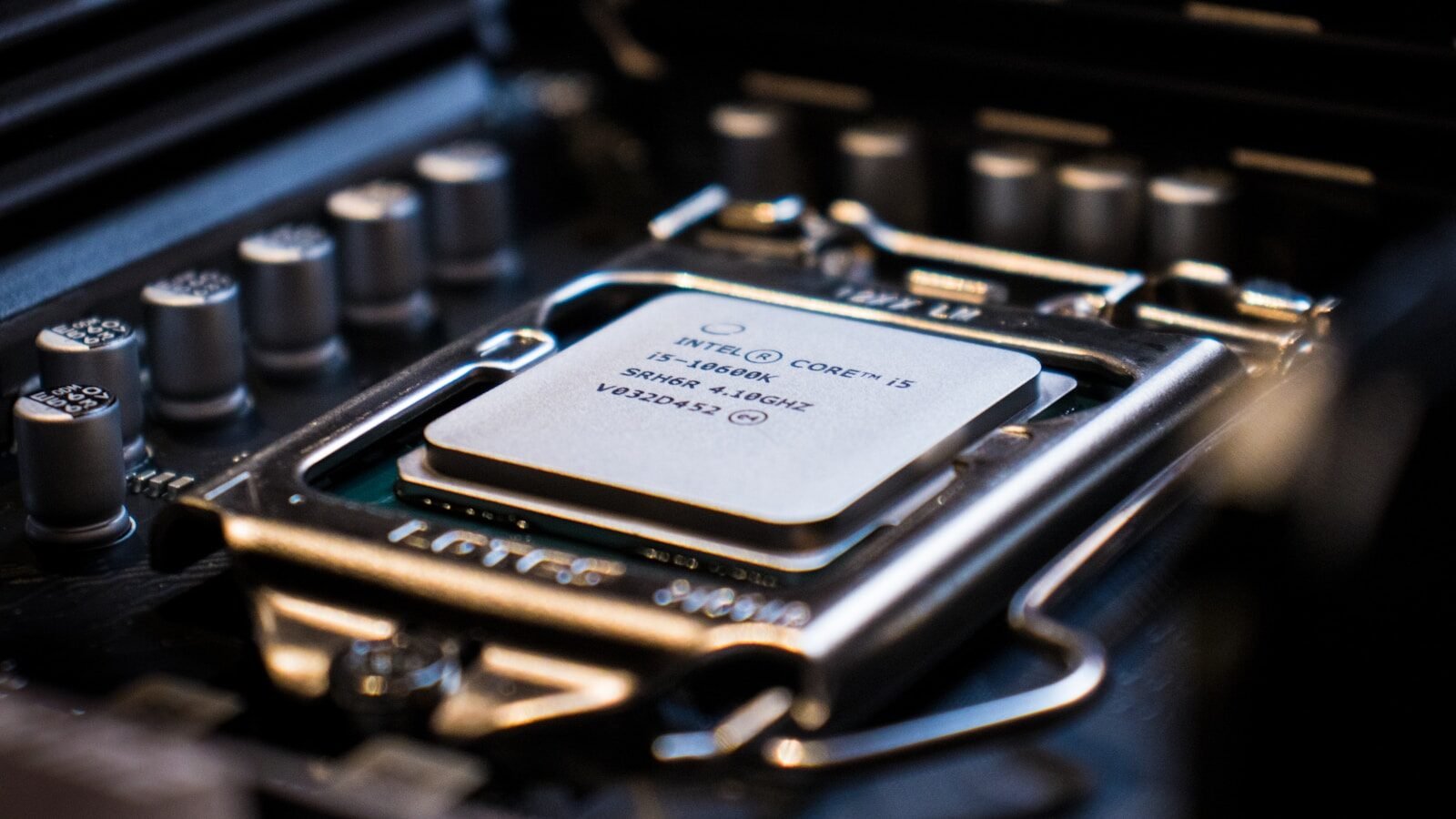
Some computers have integrated graphics. This means the graphics processing is built into the CPU or motherboard system. Integrated graphics are usually good enough for basic tasks such as browsing the internet, writing documents, watching videos, and using office programs.
Other computers have a dedicated graphics card. A dedicated graphics card is a separate part installed inside the computer. It has its own processor and memory. Dedicated graphics cards are more powerful and are used for gaming, video editing, 3D design, animation, engineering software, and professional creative work.
The graphics card sends video signals to the monitor through ports. Common ports include HDMI, DisplayPort, DVI, and VGA. Newer monitors usually use HDMI or DisplayPort.
A graphics card has its own memory called VRAM, which stands for Video RAM. VRAM helps store visual data so the card can process images quickly. More VRAM can help with high-resolution displays, games, and design programs.
Popular graphics card brands include NVIDIA, AMD, and Intel. NVIDIA makes GeForce and professional RTX cards. AMD makes Radeon cards. Intel also provides integrated and dedicated graphics options.
A powerful graphics card can improve performance in visual tasks. Games may run smoother. Videos may edit faster. 3D models may display better. Multiple monitors may work more easily.
However, not everyone needs a powerful graphics card. If you mainly use the computer for email, schoolwork, web browsing, and documents, integrated graphics may be enough. Buying a strong graphics card for simple tasks may not be necessary.
Graphics cards can produce heat. Powerful cards often have fans or cooling systems. A computer case needs good airflow to keep the graphics card and other parts cool.
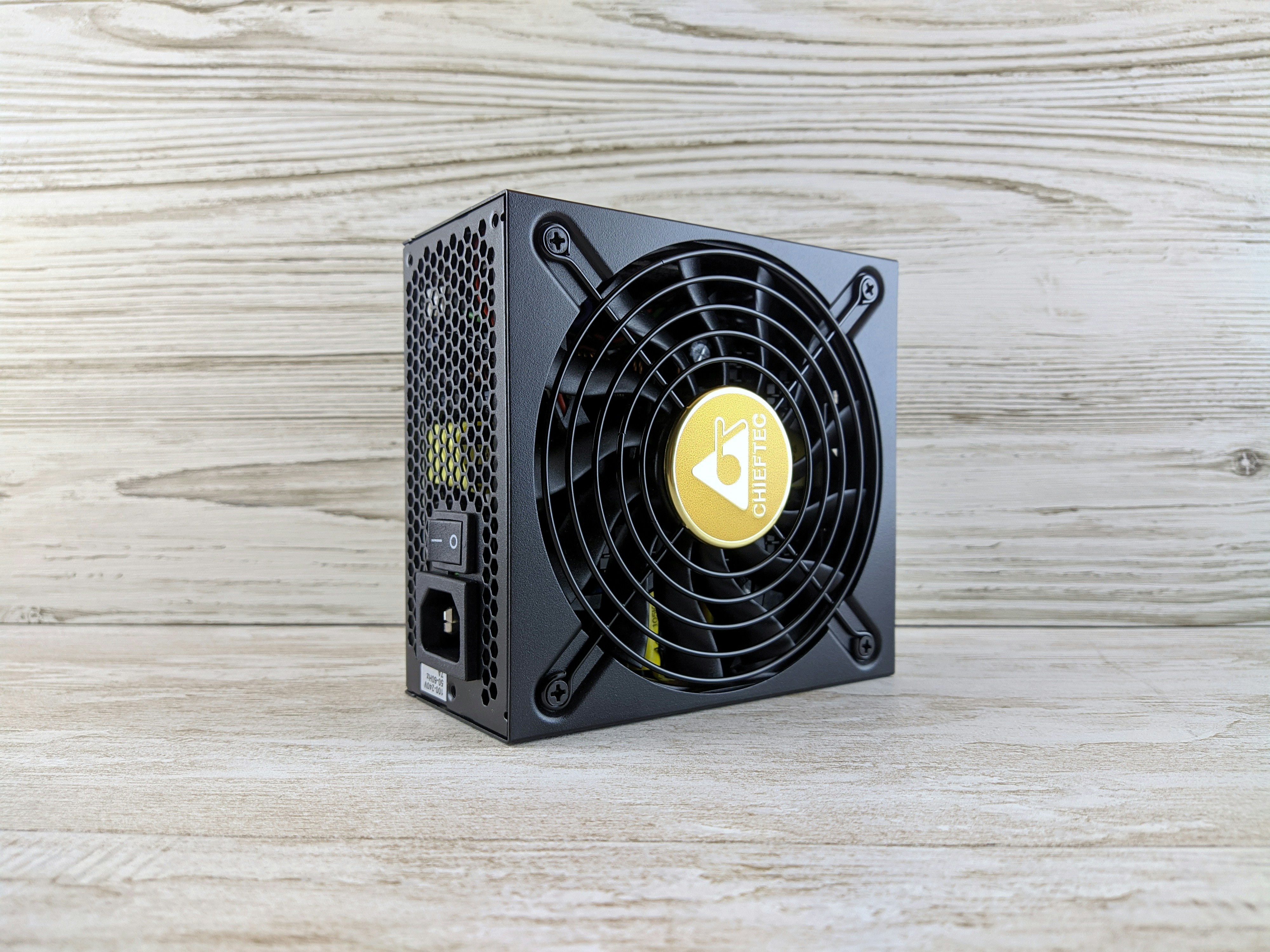
Graphics cards also need power. Some dedicated cards require extra power cables from the power supply. This means the power supply must be strong enough to support the card.
If a graphics card has problems, the screen may flicker, show strange colors, freeze, or go blank. Drivers can also affect graphics performance. A driver is software that helps the operating system communicate with the graphics card.
Updating graphics drivers can sometimes fix display problems or improve performance. However, updates should come from trusted sources, such as the computer manufacturer or graphics card company.
In conclusion, a graphics card helps the computer display images and videos. Integrated graphics are fine for basic use, while dedicated graphics cards are better for heavy visual work. Understanding graphics cards helps you choose the right computer for your needs.
Published by: All About Computer Website
Category: Computer Components