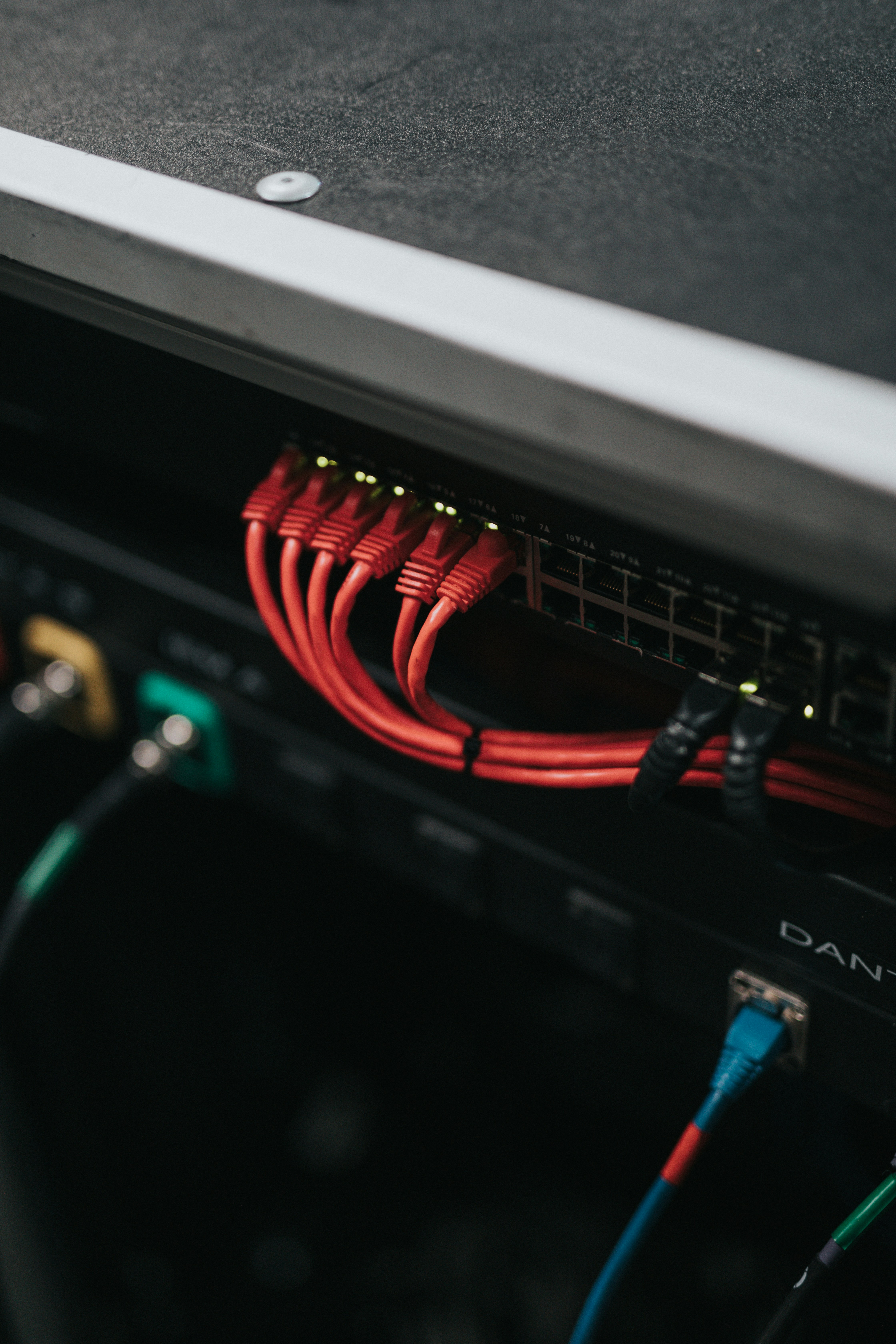
What is Ethernet?
Ethernet is a widely adopted technology that enables wired networking through the use of cables. It provides a reliable means of connecting devices within a local area network (LAN). First developed in the 1970s by Xerox, Ethernet has undergone various iterations, evolving to support higher data rates and more complex networking requirements.
The fundamental purpose of Ethernet is to facilitate communication between devices such as computers, routers, and switches using a protocol that governs how data is formatted, transmitted, and received. Unlike wireless connections, which rely on radio frequency signals to transmit data over the air, Ethernet establishes direct connections through physical cables. This wired approach typically results in higher speeds and lower latencies, making it an excellent choice for applications requiring consistent performance, such as video streaming and online gaming.
Ethernet operates using a series of standards defined by the Institute of Electrical and Electronics Engineers (IEEE), notably the IEEE 802.3 standard. These standards specify the technologies used for cabling, signaling, and network architecture, allowing for various forms of Ethernet, including Fast Ethernet (100 Mbps), Gigabit Ethernet (1 Gbps), and even higher-speed variants like 10 Gigabit Ethernet. By utilizing twisted pair cables, fiber optic cables, and coaxial cables, Ethernet can be implemented in a myriad of scenarios, ensuring flexibility in network design.
Comparatively, Ethernet differs significantly from Wi-Fi, a wireless networking standard. While Wi-Fi offers convenience and mobility by allowing devices to connect without the constraints of cables, it can be susceptible to interference, leading to fluctuations in speed and reliability. As such, Ethernet continues to be the preferred choice for environments where performance and stability are paramount.
History of Ethernet Technology
Ethernet technology, a cornerstone of wired networking, traces its origins back to the pioneering developments in computer networking during the 1970s. The first significant stride towards this influential technology was made by Dr. Robert Metcalfe at Xerox’s Palo Alto Research Center (PARC) in 1973. Dr. Metcalfe’s vision focused on creating a workable and efficient communication protocol that allowed multiple computers to share a single network segment, leading to the formulation of what we now know as Ethernet.
In 1975, Metcalfe and his team published a groundbreaking paper detailing the initial specifications of Ethernet. They described a system using coaxial cable to connect multiple machines simultaneously, enabling data transmission speeds of up to 2.94 kbps. This early model laid the foundation for what would evolve into the Ethernet standards recognized today. In 1980, the first Ethernet standard was formalized as IEEE 802.3, which established specifications for the network’s physical and data link layers.
Over the years, subsequent advancements in Ethernet technology led to faster speeds and enhanced capabilities. By the late 1980s, Ethernet saw an increase to 10 Mbps, which facilitated the growth of local area networks (LANs). This revolution was furthered with the introduction of Fast Ethernet in 1995, which provided speeds of 100 Mbps. Subsequent versions, Gigabit Ethernet in 1999 and 10 Gigabit Ethernet in 2002, marked further milestones in the quest for greater bandwidth and efficiency.
Throughout its evolution, Ethernet has maintained its relevance through ongoing innovation, addressing the increasing demands for higher data rates and reliability. Today, Ethernet continues to adapt, supporting speeds up to 400 Gbps and beyond, thus remaining a fundamental technology in both enterprise and residential networking.
How Ethernet Works
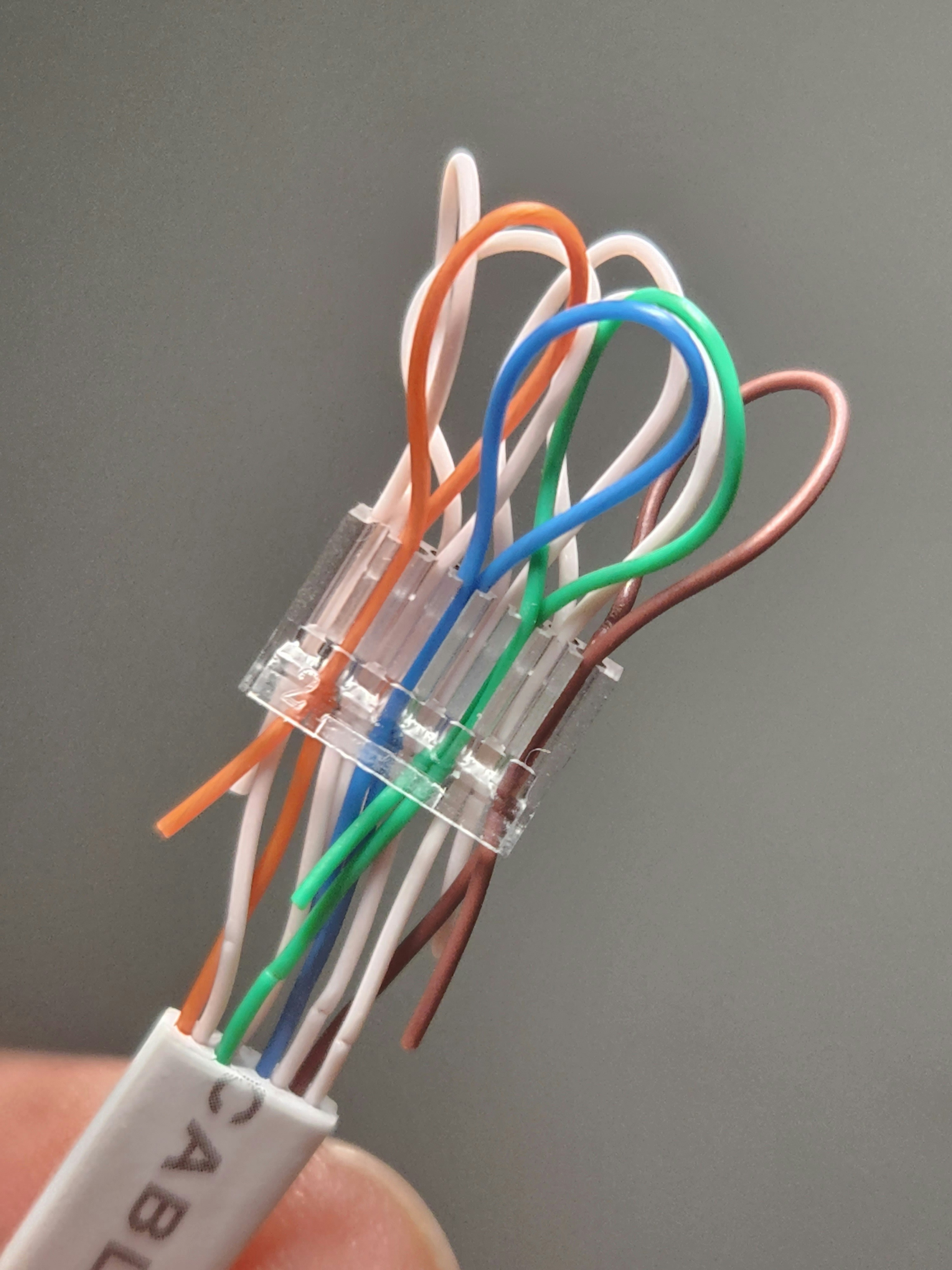
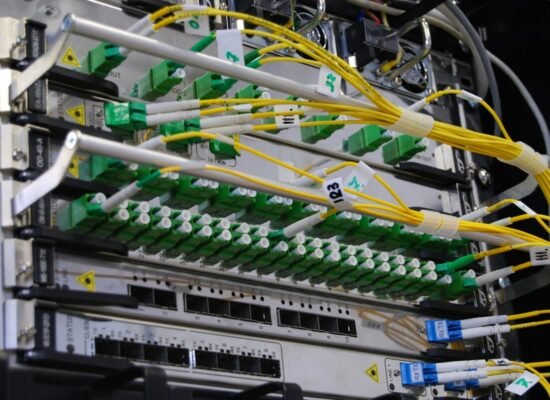
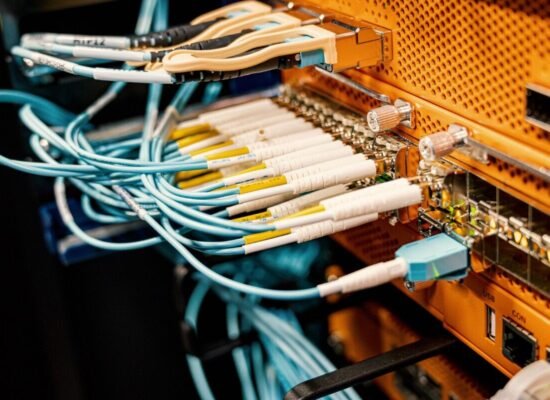
Ethernet operates as a key technology for local area networks (LANs) by facilitating communication between various devices, such as computers, printers, and servers. At the core of Ethernet technology are physical cables and connectors, which play a crucial role in data transmission through the network. Commonly used cabling types include twisted pair cables (Category 5e, 6, and 6a) and fiber optic cables, each offering different speeds, distances, and bandwidth capabilities.
The data transmission process in Ethernet networks involves several steps that begin at the network interface controller (NIC) of a device. The NIC converts digital data into electrical signals that can traverse the physical medium. When a device wishes to send data, it first checks whether the network is busy, employing a method called carrier sense multiple access with collision detection (CSMA/CD). This process helps prevent data collisions, ensuring efficient communication.
Once a device determines it can transmit, the data is encapsulated into frames, which contain the sender’s and receiver’s MAC addresses, as well as error-checking information to ensure data integrity. The frames are then sent over the cable to a network switch or router. Switches play a pivotal role in directing traffic on the network by filtering and forwarding frames to their appropriate destinations. Routers, on the other hand, connect multiple networks, managing data traffic between them.
Ethernet protocols, such as IEEE 802.3, define the standards for transmitting data over Ethernet networks. Different variations of Ethernet, such as Fast Ethernet (100BASE-T), Gigabit Ethernet (1000BASE-T), and 10 Gigabit Ethernet (10GBASE-T), cater to various speed and bandwidth requirements. These protocols ensure reliable and efficient networking, accommodating a wide range of applications and devices. Understanding how Ethernet works lays the foundation for effectively implementing and troubleshooting wired networks.
Types of Ethernet Cables
Understanding the different types of Ethernet cables is essential for anyone looking to set up a wired network. The most common types include Cat5e, Cat6, and Cat7 cables, each with unique specifications and suitable applications.
Cat5e (Category 5 Enhanced) cables are the most widely used Ethernet cables today. They support data transmission speeds up to 1 gigabit per second (Gbps) and are designed for bandwidths of up to 100 MHz. Cat5e cables are generally sufficient for home networking, supporting activities ranging from streaming videos to online gaming with minimal latency.
Cat6 (Category 6) cables offer enhanced performance over Cat5e. They can transmit data at speeds of up to 10 Gbps over short distances (up to 55 meters) and provide bandwidths of up to 250 MHz. Cat6 cables are ideal for enterprise environments or for users engaging in high-streaming activities that require greater data throughput. The shielding in Cat6 reduces crosstalk, making it a better option for densely populated networks.
Cat7 (Category 7) cables take performance a step further, capable of speeds up to 10 Gbps over longer distances, with a frequency range of up to 600 MHz. Cat7 cables are shielded with individual shielding for each pair of wires, significantly minimizing interference. This makes them suitable for data centers and professional environments that require superior performance and stability.
When selecting an Ethernet cable, users should consider the required speed and the specific application. While Cat5e may suffice for basic internet usage, Cat6 and Cat7 are recommended for modern networks that demand higher speeds and improved performance. Assessing the environment and anticipated usage will aid in making an informed decision on the appropriate Ethernet cable type.
Advantages of Using Ethernet
Ethernet technology has long been a cornerstone of wired networking, offering numerous benefits that distinguish it from its wireless counterparts. One of the primary advantages of using Ethernet is speed. Ethernet connections typically provide higher data transfer rates compared to Wi-Fi, allowing for rapid transmission of large files and seamless streaming of high-definition content. For instance, modern Ethernet standards can deliver speeds of up to 10 Gbps, which is significantly faster than most wireless connections available in households and offices today.
Stability is another crucial benefit of Ethernet. Wired connections are generally less susceptible to interference from obstacles and other electronic devices, which can often plague wireless networks. This stability ensures a consistent performance, making Ethernet particularly suitable for applications that require uninterrupted service, such as online gaming and video conferencing. Users can work with confidence knowing that their connection will remain reliable without the unpredictable fluctuations associated with wireless signals.
Security is a paramount concern in today’s digitally connected world. Ethernet connections offer enhanced security over their wireless equivalents. The physical nature of a wired connection limits access to the network, making it more difficult for unauthorized users to intercept data. While wireless signals can be vulnerable to various forms of hacking, securing an Ethernet network typically only requires the responsible management of access points and devices connected to the local area network (LAN).
Moreover, Ethernet is especially suitable for business environments that demand high-performance networking solutions. In office settings where multiple devices and high workloads dominate, a robust Ethernet connection can support efficient collaboration, effective file sharing, and reliable access to cloud-based applications. In summary, the advantages of using Ethernet—speed, stability, and security—make it a preferred networking choice for both personal and professional uses.
Use Cases for Ethernet Connections
Ethernet technology plays a pivotal role in various networking environments, serving to enhance performance, reliability, and overall functionality. One of the most common applications of Ethernet is found within home office settings. With a growing trend towards remote work, individuals now rely heavily on stable and fast internet connections for video conferencing, file sharing, and cloud-based tasks. Ethernet connections offer minimal latency and high bandwidth, making them preferable over wireless options, which can be susceptible to interference and signal degradation.
In gaming setups, Ethernet is particularly favored due to its ability to provide a seamless and uninterrupted online gaming experience. Gamers often require rapid data transfer rates and low ping times to maintain competitiveness. Wired connections through Ethernet cables eliminate the lags and drops often associated with Wi-Fi, thus ensuring a smoother experience when engaging in multiplayer gaming or online tournaments.
In corporate network environments, Ethernet is the backbone of communication infrastructure. Businesses depend on reliable and secure data transmission to operate efficiently. The implementation of Ethernet in corporate settings allows for easy scalability and adaptability, accommodating a growing number of devices without compromising performance. Furthermore, Ethernet networks are generally easier to manage in terms of security; it’s simpler to implement access controls and monitor network activity, which is crucial in safeguarding sensitive corporate information.
Overall, whether in a home office, gaming environment, or corporate network, Ethernet connections prove advantageous by delivering reliability, speed, and security. These qualities make Ethernet a preferred choice for various use cases, ensuring a consistent performance that many users increasingly demand in today’s connected world.
Setting Up an Ethernet Connection
Establishing an Ethernet connection is a straightforward process that can significantly enhance your internet experience at home or in an office environment. Below is a step-by-step guide to help you set up and configure an Ethernet connection effectively.
First, ensure that you have all the necessary equipment. You will need an Ethernet cable, which is typically available in various lengths, and a compatible device such as a computer, laptop, printer, or gaming console. In addition, ensure that you have a router or switch if you are connecting multiple devices.
Next, locate the Ethernet port on your device. This is usually a rectangular port labeled with a network icon. Connect one end of the Ethernet cable to this port and the other end to an available port on your router or switch. It is advisable to connect directly to the router for optimal performance, but devices may also be connected via a switch.
Once the physical connections are established, you will need to configure your device’s network settings. On most operating systems, this involves navigating to the network settings section. Here, you can choose to enable Ethernet as the primary internet connection method. Depending on your network configuration, the device may automatically detect the Ethernet connection and assign an IP address.
If issues arise during setup, it is crucial to troubleshoot effectively. Begin by checking all cable connections to ensure they are secure and undamaged. You may also want to restart your devices, including the router, as resetting can resolve many common connectivity issues. Additionally, ensure that your network drivers are up to date, as outdated drivers can hinder connection efforts.
By following these steps carefully, you can successfully set up and troubleshoot your Ethernet connection, ensuring a reliable and efficient wired networking environment.
Ethernet vs. Wi-Fi: A Comparative Analysis
When considering network connectivity options, two prevalent technologies often come to mind: Ethernet and Wi-Fi. Understanding the differences between these two can assist users in making well-informed decisions regarding their networking needs.
In terms of speed, Ethernet typically outperforms Wi-Fi. Wired connections can offer speeds that reach up to 10 Gbps, depending on the Ethernet standard in use. Conversely, Wi-Fi, although improving with advancements like Wi-Fi 6, generally provides lower speeds, often influenced by environmental factors such as range and interference from other devices. For users who require high-speed data transfers or are engaged in bandwidth-intensive activities, Ethernet remains the superior choice.
Reliability is another essential factor to consider. Ethernet connections are generally more stable than Wi-Fi, as they are less susceptible to interference from physical obstacles and electronic devices. Wired connections maintain a consistent performance, which is invaluable for activities such as online gaming or video conferencing where lag and downtime can be detrimental. On the other hand, Wi-Fi provides more flexibility and convenience, allowing multiple devices to connect without the need for cables, although this could come at the expense of reliability.
Cost is also an important aspect to evaluate. Generally speaking, setting up an Ethernet network may involve higher initial costs due to the need for cables and switches. Conversely, Wi-Fi networks often require less upfront investment, particularly if the user already possesses a suitable router. However, for those seeking robust performance, the long-term benefits of Ethernet can outweigh these initial costs.
Lastly, ease of use plays a significant role in the selection process. Wi-Fi provides the advantage of mobility and convenience, making it easier to connect multiple devices without cumbersome wires. Ethernet, while requiring more setup, delivers superior performance after installation.
The Future of Ethernet Technology
As we look toward the future of Ethernet technology, it is essential to acknowledge the rapid advancements that have shaped networking and communication systems in recent years. One significant trend influencing Ethernet’s evolution is the emergence of 5G technology. The deployment of 5G networks aims to support a vast number of devices, enhancing connectivity and providing data rates that significantly exceed those of existing network technologies. This push for enhanced connectivity pairs naturally with the increasing integration of Ethernet in various applications, particularly within the realm of high-speed networking.
In addition to 5G, the surge of smart devices and the Internet of Things (IoT) is transforming the landscape of wired networking. As more devices become interconnected, the demand for stable and high-speed Ethernet connections will continue to grow. Industries ranging from healthcare to manufacturing are increasingly relying on IoT for real-time data collection, monitoring, and control. Consequently, Ethernet technology must adapt to support higher bandwidths, reduce latency, and ensure reliable connections to accommodate these evolving needs.
Another important aspect of the future of Ethernet is the rise of Power over Ethernet (PoE). This technology allows both data and power to be transmitted through the same Ethernet cable, simplifying installation and reducing the need for separate power supplies. The continued development of PoE systems is expected to facilitate the expansion of smart building applications, where devices such as security cameras and IoT sensors can operate efficiently without the clutter of additional wiring.
Moreover, Ethernet standards are poised to evolve as well, with ongoing efforts to increase data transmission speeds up to 400 Gbps and beyond. This upward trajectory will enable data centers and enterprise networks to handle increasing workloads effectively. As Ethernet technology continues to innovate in response to these trends, the foundation of wired networking undoubtedly will remain relevant and crucial for future connectivity solutions.