Introduction to Computers
A computer is fundamentally a programmable machine designed to perform various tasks through execution of a sequence of operations. At its core, a computer processes data, allowing users to execute computations and manage information efficiently. Over the years, the evolution of computers has marked a pivotal advancement in technology, transitioning from early mechanical devices to the sophisticated digital systems we use today.
The origins of computing can be traced back to simple tools and mechanical calculating devices, such as the abacus and mechanical adding machines, designed to aid in computation. However, it wasn’t until the 20th century that the invention of electronic computers began to revolutionize the way we think about information processing. The first programmable electronic computers, such as the ENIAC and UNIVAC, laid the groundwork for future developments in computation.
As technology progressed, so did the capabilities and applications of computers. The introduction of integrated circuits in the 1960s marked a significant turning point, enabling the miniaturization of computer components. This advancement unfolded into the creation of personal computers and laptops, making computing accessible to individuals and small businesses. Today, computers are not just confined to desktops; they exist in various forms, ranging from smartphones and tablets to embedded systems in automobiles and appliances.
In contemporary society, computers are integral to virtually all aspects of life. They facilitate complex data analysis, streamline communication through the internet, and enhance productivity across multiple industries. As the backbone of modern information technology, computers play an essential role in shaping our digital world, driving innovation, and fostering connections, underscoring their importance in everyday life.
Types of Computers
Computers are categorized based on their functionality, size, and processing capabilities. The primary types of computers include personal computers, laptops, servers, mainframes, and supercomputers, each serving unique purposes and applications.
Personal computers (PCs) are the most common type of computer used in homes and offices. They are designed for individual use and are equipped with components such as a CPU, memory, storage, and input/output devices. PCs are versatile and can handle a wide range of tasks, including word processing, browsing the internet, and gaming. They are typically available in desktop and all-in-one configurations.
Laptops are portable computers that integrate all the essential components of a personal computer into a compact form factor. They are equipped with a built-in battery, allowing users to operate them on the go. Laptops are ideal for students and professionals who require mobility without sacrificing functionality. They come with various specifications to cater to different needs, making them suitable for both casual use and demanding applications.
Servers, on the other hand, are specialized computers designed to manage and provide resources and services to other computers over a network. They play a critical role in hosting websites, applications, and databases. Unlike personal computers, servers are optimized for performance, reliability, and capacity, allowing them to handle multiple requests from users simultaneously.
Mainframes are large, powerful systems used primarily by large organizations for bulk data processing, transaction processing, and critical applications. They are designed for high availability and often operate in a centralized environment. In contrast, supercomputers are the fastest and most powerful computers available, capable of performing complex calculations at incredibly high speeds. They are used in various fields, such as scientific research, weather forecasting, and simulations.
Understanding the different types of computers is essential for determining the right solution for various applications and needs. Each category serves distinct purposes, making them integral to both personal and professional environments.
Components of a Computer
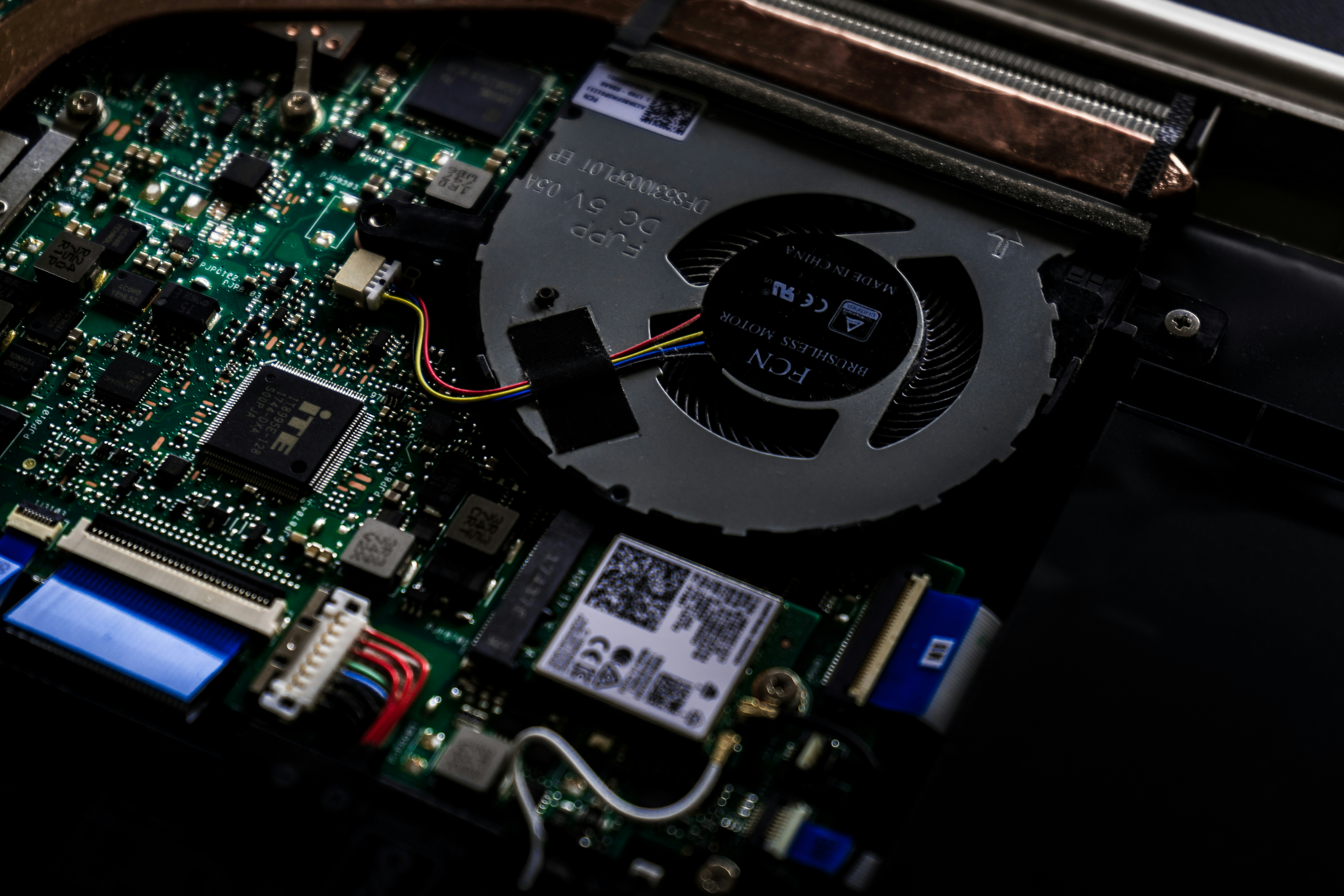
Understanding the key components of a computer is crucial for anyone seeking to grasp how these machines operate. At the core of every computer system is the central processing unit (CPU), often referred to as the brain of the computer. The CPU performs computations and executes instructions, allowing the system to run software applications and manage tasks. Its performance directly affects the overall speed and efficiency of the computer.
Equally important is the memory, specifically the random access memory (RAM). RAM is used for temporarily storing data that the CPU needs while processing. The more RAM a computer has, the greater its ability to multitask efficiently, impacting the performance when running multiple applications simultaneously.
The storage system, encompassing both hard disk drives (HDD) and solid-state drives (SSD), is another fundamental component. HDDs are traditional storage mechanisms with larger capacity at a lower cost, while SSDs offer faster read and write speeds, enhancing system responsiveness. Selection between HDD and SSD often depends on user requirements regarding performance and storage capacity.
The motherboard is the primary circuit board that connects all components of the computer together, facilitating communication between the CPU, RAM, storage, and other peripherals. It houses the integrated graphics system, if present, and often includes various ports and expansion slots for additional components.
Lastly, peripheral devices such as keyboards, mice, printers, and scanners are external components that enhance the usability of computer systems. While not integral to the core operations of the computer, peripherals allow users to interact with and control the software and hardware effectively.
How Computers Work
Computers are sophisticated machines that execute a variety of tasks through a series of fundamental processes, namely data input, processing, storage, and output. Understanding these processes provides insight into how computers function at a basic level.
The first step in any computer operation is data input. This involves the gathering of information from various input devices such as keyboards, mice, and scanners. Once the data is collected, the computer processes it using the central processing unit (CPU). The CPU acts as the brain of the computer, performing calculations and executing instructions that dictate how the data should be manipulated.
Following the processing phase, the computer must store the data for future use or reference. Storage is typically divided into two types: primary storage and secondary storage. Primary storage, often referred to as RAM (Random Access Memory), temporarily holds data that the CPU is currently working on. Conversely, secondary storage, such as hard drives or solid-state drives, retains information permanently or until it is intentionally deleted.
Lastly, the output stage displays the results of the processed data. This may occur through output devices like monitors, printers, or speakers, allowing users to perceive the information the computer has generated. This flow of data—input, processing, storage, and output—illustrates the essential functions of computers.
An integral element of computer operation is the binary system. Computers use binary digits (0s and 1s) to represent all types of data and instructions. Each binary digit corresponds to a logical state, which allows for complex operations through combinations of these bits. Software interacts with hardware through various layers, translating high-level programming languages into machine code that the computer’s processor can execute.
Operating Systems and Software
An operating system (OS) serves as the foundational software that manages computer hardware and software resources. It acts as an intermediary between users and the computer hardware, facilitating the execution of application software. The primary role of the operating system is to allocate resources such as the CPU, memory, disk space, and various input/output devices. This ensures that applications can run efficiently and effectively without conflicts.
Among the most widely used operating systems are Microsoft Windows, macOS, and Linux. Windows is prevalent in personal computers and is known for its user-friendly interface and vast software compatibility. macOS, developed by Apple, is recognized for its sleek design and seamless integration with other Apple devices. On the other hand, Linux, which is open-source, is favored by developers and tech-savvy users for its flexibility and customizable features.
It is imperative to distinguish between system software and application software. System software includes the operating system and all the utilities that enable the hardware to function. This type of software directly interacts with the hardware and manages tasks such as file management and memory management. Conversely, application software is designed to perform specific tasks for users, such as word processing, web browsing, or gaming. Examples of application software include Microsoft Office, Adobe Photoshop, and web browsers like Chrome and Firefox.
Operating systems not only manage system resources but also serve as a platform for applications, making them crucial for the overall functionality of computing devices. Understanding the role of operating systems and the distinction between different types of software can empower users to make informed decisions when selecting technology tools that best meet their needs.
The Role of Computers in Society
Computers have become an integral part of modern society, significantly impacting various sectors including business, education, healthcare, and entertainment. In the business realm, the digital transformation has allowed for enhanced productivity, streamlined operations, and improved communication. Companies utilize computers to manage operations, analyze data, and reach customers more effectively. Innovations such as e-commerce have completely reshaped how businesses interact with consumers, paving the way for a global marketplace.
In the field of education, the integration of computers has transformed learning experiences, making information more accessible and promoting interactive forms of education. Online learning platforms, digital resources, and educational software facilitate various learning styles, providing students with opportunities to explore subjects at their own pace. The use of computers in education not only enhances learning but also prepares students for a workforce that increasingly relies on digital literacy.
Healthcare has also been revolutionized by computer technology. Electronic health records (EHRs) improve patient care by allowing doctors and medical professionals easy access to crucial patient data. Telemedicine, powered by computers, has expanded healthcare accessibility, particularly for those in remote or underserved areas. Additionally, computers enable advanced medical research, data analysis, and the development of innovative treatments, thereby improving overall health outcomes.
Furthermore, the entertainment industry has undergone significant transformations due to the advent of computer technology. Streaming services, gaming, and social media platforms are all products of computer innovations that have changed how people consume content and engage with each other. The rise of digital entertainment, facilitated by computers, reflects a shift in societal norms regarding leisure and communication.
As society continues to evolve, the implications of computer technology in our daily lives remain profound. The advancement and integration of computer systems carry the potential to further influence how we work, learn, heal, and entertain ourselves.
Security and Privacy in Computing
In today’s digital age, cybersecurity has become a paramount concern for individuals and organizations alike. The increasing reliance on computer systems and the internet has led to a surge in cyber threats, making it essential to understand the risks associated with computing. Malware, phishing attacks, and hacking attempts pose significant dangers by compromising sensitive data and systems.
Malware, short for malicious software, includes various harmful programs such as viruses, worms, and Trojans designed to infiltrate and damage computer systems. Once malware infects a system, it can steal sensitive information, disrupt operations, or even incapacitate the entire network. Therefore, employing robust antivirus programs and ensuring regular updates is crucial in safeguarding systems against such threats.
Another significant concern in cybersecurity is hacking, which can occur in numerous forms including identity theft, data breaches, and website defacement. Hackers exploit vulnerabilities within systems to gain unauthorized access, often leading to substantial financial losses and reputational damage. Businesses, in particular, must implement stringent security protocols to mitigate these risks, such as using firewalls, encryption methods, and conducting regular security audits.
To maintain security, best practices must be established and integrated into daily operations. Using strong passwords, enabling two-factor authentication, and educating employees about social engineering tactics can enhance an organization’s defenses against cyber threats. Regularly backing up data and having an incident response plan in place can also minimize the impact of a breach if it occurs.
In conclusion, the significance of cybersecurity in protecting computer systems and data cannot be overstated. Understanding potential threats and implementing proactive measures are essential for maintaining security and privacy in computing.
Future Trends in Computer Technology
The rapidly evolving landscape of computer technology is set to redefine various aspects of our daily lives. One of the most significant trends is the advancement of artificial intelligence (AI). AI technologies are becoming increasingly integrated into everyday applications, enhancing automation, data analysis, and user experience. With the ability to learn from vast amounts of data, AI systems can make informed decisions and predictions, leading to improvements in sectors such as healthcare, finance, and customer service. The implications of AI extend far beyond efficiency; they also raise important ethical considerations regarding privacy and employment.
Another pivotal trend gaining traction is quantum computing. Unlike traditional computers that use bits as the smallest unit of data, quantum computers utilize quantum bits or qubits. This technology has the potential to solve complex problems at unprecedented speeds, particularly in areas such as cryptography, materials science, and optimization problems. As researchers develop more stable and scalable quantum systems, businesses may harness this capability to innovate solutions that were previously thought impossible.
Edge computing is also emerging as a vital trend alongside the growth of the Internet of Things (IoT). With billions of devices connected to the internet, processing data closer to its source can significantly reduce latency and bandwidth usage. Edge computing allows for real-time data processing at the location of data generation, making it crucial for applications that require instantaneous responses, such as autonomous vehicles and smart city infrastructures. As both trends evolve, the interconnectedness of devices will create new efficiencies and opportunities for innovation.
In conclusion, the future of computer technology is marked by the convergence of AI, quantum computing, edge computing, and IoT. These advancements will not only enhance computational capabilities but also transform societal dynamics, presenting both challenges and opportunities that will shape the future.
Conclusion and Reflection
In this comprehensive exploration of computers, we have examined the fundamental aspects of these powerful devices, from their basic components to the intricate software that interlaces their operations. Our journey through the world of computational technology has also revealed how computers have evolved significantly over the decades, transforming from bulky machines meant for specialized tasks to sleek, multifunctional devices intrinsic to our daily lives.
The key points of our discussion highlight the importance of understanding the underlying principles of computers, including hardware and software functionalities, networking, and data management. We also delved into the implications of rapid advancements in computer technology, such as the rise of cloud computing, artificial intelligence, and machine learning, all of which underscore the necessity for individuals and organizations to remain informed and adaptable.
The role of computers is increasingly significant in our routines, impacting how we communicate, work, and access information. As technology continues to evolve, it is imperative to acknowledge not just the conveniences that come with these advancements, but also the responsibilities they entail. Digital literacy is becoming an essential skill, enabling users to navigate an ever-changing landscape, addressing security concerns, digital privacy, and ethical considerations surrounding technology use.
Reflecting on the importance of staying updated with technological trends, it is evident that individuals and organizations that harness the potential of computers effectively will thrive in an increasingly digital world. As we forge ahead, continuing to learn about computer technology will not only enhance our personal and professional endeavors but will also contribute to societal progress as a whole. Understanding computers is not merely a professional requirement; it is a vital component of modern life.
