When choosing a computer, many people ask whether they should use a desktop computer or a laptop computer. Both can help you work, study, browse the internet, create documents, and communicate. However, they are designed for different needs.
A desktop computer is usually used in one place, such as a desk, office, classroom, or home workstation. It often has a separate monitor, keyboard, mouse, and system unit. A desktop usually needs to stay connected to electricity.
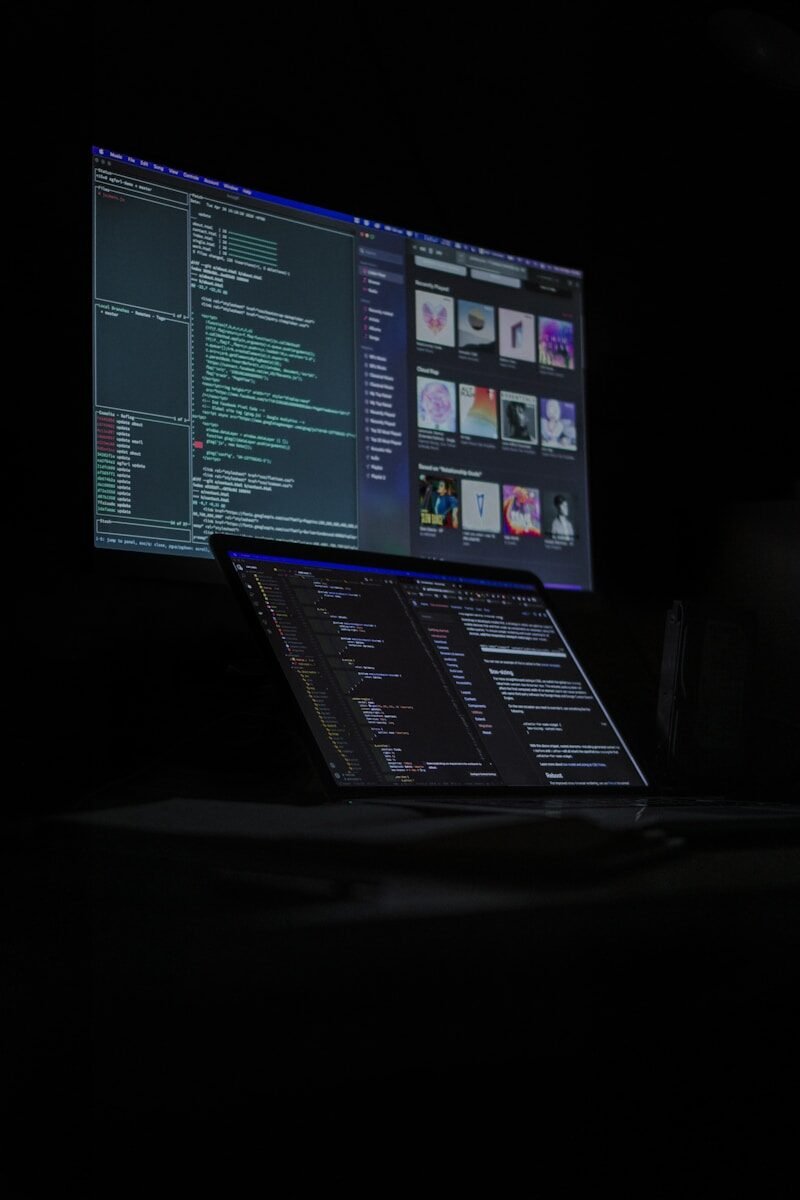
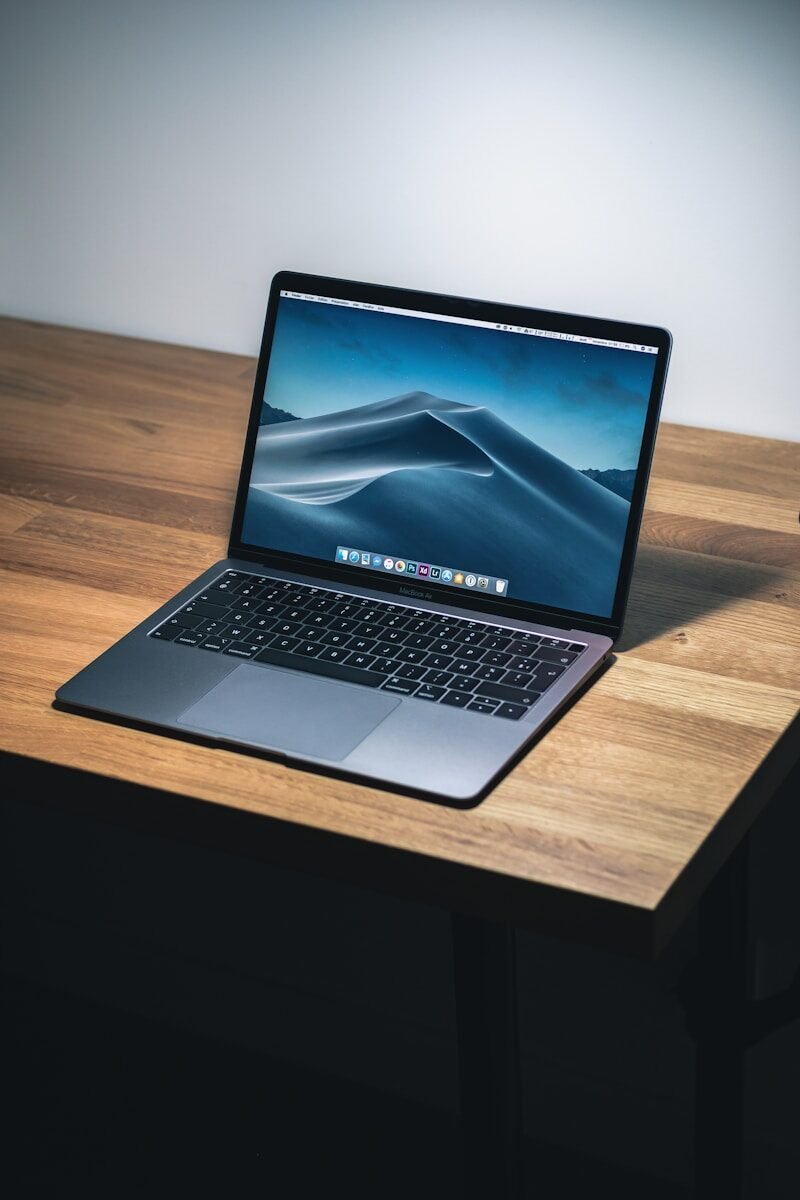
A laptop computer is portable. It has the screen, keyboard, touchpad, speakers, webcam, battery, and internal parts built into one device. You can carry it from place to place and use it without plugging it in for a period of time.
One advantage of a desktop computer is power. Many desktop computers can be stronger than laptops at the same price. They may have better cooling, larger parts, and more space for upgrades. This makes desktops good for heavy tasks such as video editing, gaming, programming, and business work.
Another advantage of a desktop is easier repair and upgrade. If a desktop needs more RAM, a better storage drive, or a new graphics card, it is often easier to replace the part. A desktop also allows the user to choose a large monitor and comfortable keyboard.
A laptop’s biggest advantage is mobility. A student can take a laptop to school. A worker can bring it to meetings. A family member can use it in different rooms. For people who travel, a laptop is usually more convenient.
Laptops also save space. They are useful for small rooms, apartments, classrooms, and shared work areas. Since everything is built into one device, there are fewer cables and separate parts.
However, laptops can be harder to repair. Some parts are small, built-in, or difficult to replace. If the screen, keyboard, battery, or motherboard has a problem, repair may cost more. Laptops can also overheat if they are used on soft surfaces like beds or blankets.
Desktops are not as portable. They take more space and are not easy to move. If there is a power outage and no backup power, a desktop turns off immediately. A laptop can continue working on battery power.
The best choice depends on your needs. Choose a desktop if you want a strong computer for one location, easier upgrades, a bigger screen, and better long-term performance. Choose a laptop if you need portability, space-saving design, and the ability to work from different places.
For beginners, either option can be good. A desktop may be easier for learning at home because of the larger screen and full keyboard. A laptop may be better for students and workers who need to carry their computer.
In conclusion, desktop computers and laptop computers both have value. A desktop is strong, stable, and easier to upgrade. A laptop is portable, compact, and flexible. The right choice is the one that matches your daily life, budget, and learning goals.
Published by: All About Computer Website
Category: Computer Basics