Introduction to WANs
Wide Area Networks (WANs) are a type of telecommunication network that extends over a large geographical area. Unlike Local Area Networks (LANs), which serve a relatively small and localized environment, WANs connect multiple smaller networks across extensive distances, often utilizing public networks, such as the Internet, as well as private leased lines. This capacity to bridge distances makes WANs a vital component in the modern communication landscape.
The primary purpose of WANs is to facilitate communication and data sharing between networks that are far apart. Organizations and institutions leverage WANs to link branch offices, remote users, and various network resources, enabling seamless access to information regardless of physical location. This connectivity is particularly crucial in today’s globalized world, where companies operate across continents and require efficient communication systems to maintain productivity and collaboration.
One of the key characteristics of WANs is their architecture, which can include a variety of technologies such as MPLS (Multiprotocol Label Switching), Frame Relay, and VPN (Virtual Private Network) systems. These technologies allow for the establishment of reliable connections that support data transfer, voice communications, and video conferencing, hence meeting diverse business needs. Additionally, advancements in WAN technology have led to the emergence of Software-Defined Wide Area Networking (SD-WAN), which enhances flexibility and management efficiently in network design.
In essence, WANs play a fundamental role in our interconnected world, providing essential infrastructure that supports diverse communication needs across vast distances. As organizations continue to recognize the value of remote collaboration and connectivity, the relevance of WANs will persist, leading to ongoing innovations in their design and implementation.
How WANs Work
Wide Area Networks (WANs) function as a crucial means of communication across vast geographic distances, connecting multiple Local Area Networks (LANs) or end-user devices. The underlying architecture of a WAN involves several key components that work together to facilitate large-scale connectivity. Typically, routers play a pivotal role in the transmission of data over a WAN; these devices are responsible for directing data packets between different networks, ensuring they reach their appropriate destinations without loss.
Another element in WAN architecture is the use of switches, which facilitate data flow within a local network. While routers manage network traffic between separate networks, switches optimize communication within a single network by processing data packets and minimizing delays. The combination of routers and switches forms an efficient backbone for WANs, enabling seamless interconnectivity.
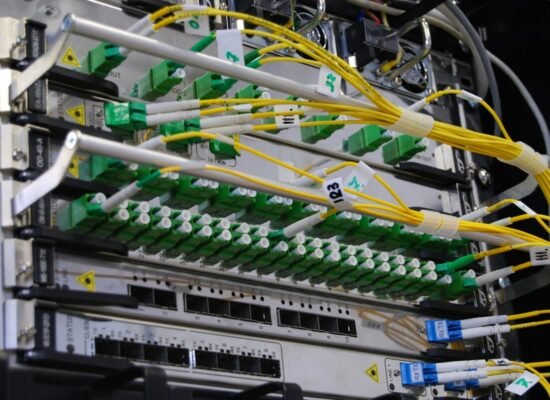
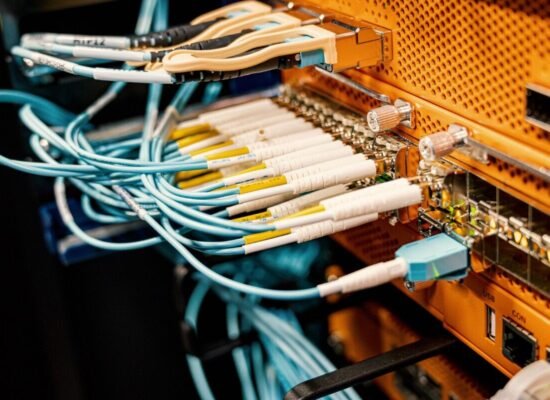
In addition to routers and switches, the transmission media is equally essential. WANs employ various mediums for data transmission, including fiber optics, satellite links, and microwave transmission. Fiber optic cables provide high-speed connectivity with minimal signal loss, making them ideal for long-distance communication. Conversely, satellite connections enable access in remote areas where terrestrial infrastructure is lacking, although they may introduce higher latencies due to signal travel time.
WANs also rely on protocols such as MPLS (Multiprotocol Label Switching) and SD-WAN (Software-Defined Wide Area Network) to manage data traffic efficiently. These protocols enhance the performance and reliability of WAN connections by optimizing data routing and ensuring bandwidth is appropriately allocated. The integration of these components and technologies enables WANs to facilitate communication between distant networks, maintain connectivity in diverse environments, and support a range of applications vital to modern organizations.
Types of WAN Technologies
Wide Area Networks (WANs) employ several technologies that serve as the backbone for transferring data over long distances. Understanding these various technologies is crucial for businesses and organizations looking to determine the best solution for their networking needs. Among the most common WAN technologies are leased lines, MPLS (Multiprotocol Label Switching), frame relay, satellite connections, and VPNs (Virtual Private Networks).
Leased lines offer a dedicated and private connection between two points, making them particularly reliable for organizations that require consistent bandwidth and lower latency. However, they can be quite expensive as they generally involve monthly leasing fees that vary based on distance and bandwidth.
MPLS is another popular technology used in WANs, which prioritizes data transmission efficiency by assigning labels to data packets. This protocol supports multiple types of traffic, enabling businesses to manage bandwidth allocation effectively. Its reliability and ability to adapt to the varying demands of applications stand out, but the complexity of setup and management can be a drawback.
Frame relay is an older technology that enables efficient data packet transmission. It is well-suited for connecting multiple sites but generally provides lower performance compared to newer solutions. While it is cost-effective, the performance limitations may not meet the requirements of modern enterprise applications.
Satellite connections facilitate WANs in remote areas where terrestrial lines are not feasible. This technology can bridge the connectivity gap, although factors such as latency and weather-related service disruptions can impact performance. Finally, VPNs offer an affordable means of secure data transmission over the internet, providing flexibility for organizations with a distributed workforce, but depend on the internet’s reliability.
The selection of the appropriate WAN technology relies on various factors, including budget constraints, required bandwidth, and specific organizational needs. Understanding the characteristics, advantages, and disadvantages of each technology is essential for making informed decisions in WAN implementation.
WAN vs. LAN vs. MAN
When comparing Wide Area Networks (WANs) with Local Area Networks (LANs) and Metropolitan Area Networks (MANs), it is essential to understand their fundamental differences. WANs typically cover large geographical areas, often spanning regions, countries, or even continents. In contrast, LANs operate within a confined area such as a single building or a campus, while MANs cover broader urban areas, connecting multiple LANs within a city or a municipality.
The scale of these networks significantly affects their speed and performance. LANs generally provide higher data transfer rates, as they serve a smaller number of devices in a limited space, leading to decreased latency. Conversely, WANs possess slower speeds due to their extensive reach and the varied transmission mediums used, ranging from leased lines to satellite links. MANs offer moderate speeds that lie between LANs and WANs, facilitating the connection of geographically dispersed networks within a metropolitan area.
Use cases also differ among these network types. LANs are often utilized in office settings, homes, and educational institutions, where high-speed data transfer and resource sharing are paramount. MANs, on the other hand, are suitable for connecting multiple campuses or large organizations in urban environments, allowing for robust communication within the metropolitan landscape. WANs are commonly employed by large enterprises or service providers that require long-distance connections, such as inter-branch communication or global data transfer.
Performance and maintenance considerations are crucial as well. WANs can be complex to manage, given their reliance on various service providers and technologies, leading to potential issues in reliability and security. LANs, in contrast, are easier to maintain and troubleshoot due to their localized nature. MANs fall in between, balancing ease of management with the challenges posed by their broader geographic coverage. Understanding these distinctions among WANs, LANs, and MANs is key for professionals seeking to leverage the most appropriate network technology for their specific needs.
Key Features and Benefits of WANs
Wide Area Networks (WANs) are characterized by their ability to connect multiple local area networks (LANs) over extensive geographical distances. This network configuration is especially beneficial for organizations that require connectivity across cities, regions, or even countries. A primary feature of WANs is increased connectivity, allowing employees in different locations to access shared resources and communicate seamlessly. By establishing a robust infrastructure that integrates various office sites, businesses can ensure consistent access to applications, databases, and services.
Another significant advantage of WANs is better resource sharing. Businesses can implement centralized systems that facilitate the sharing of critical information and resources, leading to improved efficiency and productivity. Applications that may be too costly or complex for a single site can be utilized by all connected locations through a WAN, fostering collaboration and reducing operational costs.
Enhanced communication is also an essential benefit of WANs. With support for various communication methods including video conferencing, VoIP, and instant messaging, WANs enable teams to interact in real time, regardless of geographic barriers. This increased level of communication not only boosts productivity but also encourages teamwork among distributed teams, aligning them towards common business objectives.
As organizations adapt to more flexible workplace solutions, WANs support remote work effectively. Employees can securely access the corporate network from virtually anywhere with an internet connection, allowing for diverse work arrangements. This capability is vital in today’s digital landscape, where the ability to conduct business beyond traditional office spaces is paramount.
In conclusion, the key features and benefits of WANs highlight their importance in today’s interconnected world. By enabling increased connectivity, fostering resource sharing, enhancing communication, and providing vital support for remote work, WANs serve as a foundational element for modern-day organizational operations.
Challenges Faced by WANs
Wide Area Networks (WANs) are essential for enabling communication across vast geographical distances, linking various branch offices and remote locations. However, organizations adopting WAN technology often encounter several challenges that can impede their effectiveness and efficiency. Among these issues, latency, bandwidth constraints, security vulnerabilities, and cost considerations are particularly prominent.
Latency is one of the most significant challenges faced by WANs. It refers to the delay that occurs when data travels across the network. High latency can result in slow application performance, negatively impacting user experience and operational efficiency. This issue becomes especially critical for real-time applications, such as video conferencing and online gaming, where timely data delivery is essential. Factors contributing to latency include the physical distance between end users, the quality of network pathways, and the processing times at various network devices.
Bandwidth limitations also pose considerable challenges for WANs. Organizations may struggle to achieve sufficient bandwidth to support the needs of their users, especially as more bandwidth-intensive applications, such as cloud services and streaming, are integrated into their operations. Insufficient bandwidth can result in congestion, leading to slower performance and increased latency. Monitoring bandwidth usage and optimizing traffic can help address these issues but may require a thorough understanding of current network demands.
Furthermore, the security of WANs is a critical concern. Transporting data over long distances exposes it to various security threats, including cyberattacks and data breaches. Organizations must implement robust encryption protocols and security measures to safeguard sensitive information. Finally, the cost of maintaining and upgrading WAN infrastructure, including hardware and software investments, can be substantial, making it essential for companies to evaluate their options carefully to optimize their WAN investments.
Applications of WANs in Business
Wide Area Networks (WANs) play a crucial role in the operations of modern businesses, especially those that span multiple geographic locations. By leveraging WAN technology, companies can establish secure connections between their different office sites, facilitating efficient data exchange and communication. This interconnectedness allows business units located miles apart to operate as if they were within the same physical space, greatly enhancing collaboration.
One of the primary applications of WANs in business is in the streamlining of operations. With a robust WAN infrastructure, organizations can implement centralized systems such as enterprise resource planning (ERP) and customer relationship management (CRM). This centralization helps in maintaining consistency across different locations and ensures that all employees have access to the most up-to-date information, thereby reducing errors and increasing productivity.
Moreover, WANs support a variety of communication tools, such as video conferencing, VoIP (Voice over Internet Protocol), and instant messaging. These tools foster real-time communication, enabling teams to collaborate effectively regardless of their physical location. The immediate feedback provided by these applications promotes a more responsive business environment, which is especially valuable in today’s fast-paced market.
Additionally, WANs contribute significantly to cost efficiency. By utilizing cloud-based services and applications that run over WAN connections, businesses can reduce the need for on-premises infrastructure, which often incurs high maintenance costs. Furthermore, WANs allow for remote work solutions, providing flexibility for employees while maintaining operational continuity.
In essence, the application of WANs in a business context extends beyond mere connectivity. They enable organizations to enhance their operational frameworks, improve communication channels, and achieve greater efficiencies, driving overall business success.
Future of WAN Technology
The landscape of Wide Area Networks (WANs) is continually evolving due to emerging trends and technological advancements. One of the most significant innovations in recent years is the rise of Software-Defined WAN (SD-WAN) technology. This approach allows businesses to manage their network more efficiently by decoupling the networking hardware from its control mechanism. With SD-WAN, organizations can optimize their bandwidth usage, enhance application performance, and simplify the management of diverse connections, including broadband internet, MPLS, and LTE.
Additionally, there is a noticeable advancement in broadband technologies that is shaping the future of WANs. The transition to high-speed internet infrastructure, such as fiber-optic connections and 5G networks, is providing unprecedented data transfer rates and reliability. These innovations not only facilitate faster communication between remote sites but also enable the seamless integration of cloud services and applications. As businesses increasingly rely on cloud computing, the demand for robust WANs that support high-bandwidth applications is crucial.
Furthermore, the ongoing digital transformation across industries is prompting organizations to adapt their WAN strategies. Companies are increasingly adopting multi-cloud environments and remote work policies, requiring flexible and secure connectivity solutions. This shift has led organizations to invest in enhanced security protocols, such as zero-trust architectures, to safeguard their data across WANs. As the focus shifts towards maintaining agility and resilience, businesses are reevaluating their WAN infrastructures to accommodate future growth and changes in operational demands.
In summary, the future of WAN technology is being shaped by developments in SD-WAN, advancements in broadband technologies, and businesses’ need to adapt to ongoing digital transformations. The evolution of WANs will remain a critical factor in sustaining connectivity and supporting the dynamic requirements of modern enterprises.
Conclusion and Summary
In summary, Wide Area Networks (WANs) play a pivotal role in facilitating communication and data exchange across vast geographical distances. Their significance has only increased in today’s digital age, where businesses and organizations require seamless connectivity to operate effectively. The ability of WANs to interconnect multiple local networks enables companies to operate multiple branches and connect remote users efficiently.
Throughout this blog post, we have discussed the basic concepts of WANs, their various types, and their underlying technologies. It is evident that WANs utilize a range of transmission technologies, including leased lines, satellite, and fiber optic cables, which contribute to their reliability and performance. Additionally, we have explored different WAN topologies, such as point-to-point, hub-and-spoke, and mesh configurations, each of which offers unique advantages depending on the specific requirements of an organization.
Moreover, the importance of security in WAN architecture cannot be overstated as sensitive data traverses these networks. Technologies such as Virtual Private Networks (VPNs) and encryption protocols help safeguard the integrity and confidentiality of the transmitted data. As businesses become increasingly reliant on WANs to support their operations, understanding these aspects becomes essential for ensuring robust network performance and security.
Encouraging further exploration of WAN technology is vital, as advancements continue to shape how organizations leverage these networks for growth and innovation. With the implementation of Software-Defined WAN (SD-WAN) solutions, businesses can enhance their network management and optimize performance. Thus, as we look toward the future, the evolution of Wide Area Networks will undoubtedly provide new opportunities and challenges that warrant continued examination.