
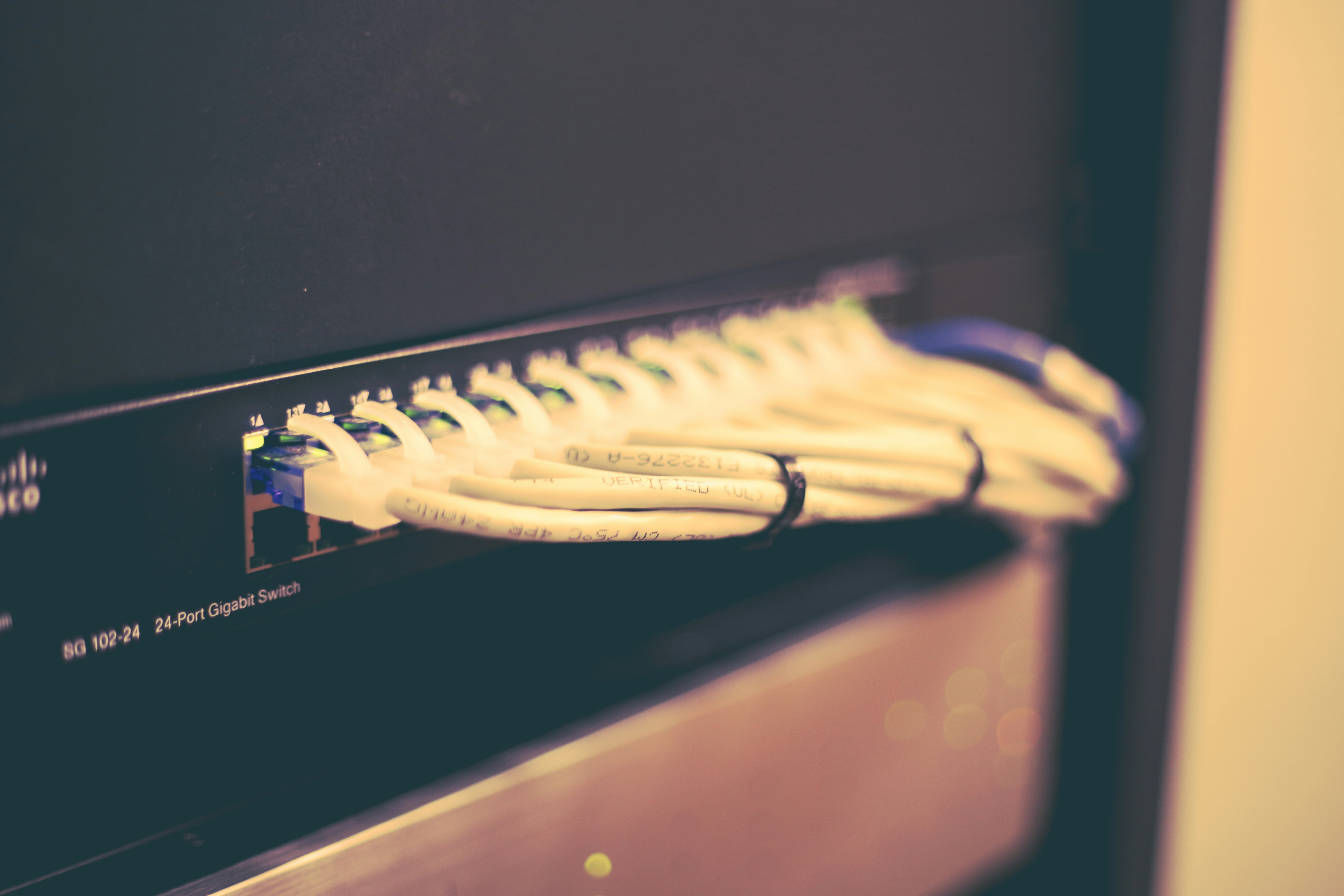
Introduction to Networking Switches
Networking switches serve as fundamental elements in wired connections, playing a crucial role in establishing efficient communication within local area networks (LANs). These devices are designed to connect multiple computing devices, including computers, printers, servers, and other networked equipment, allowing them to exchange information seamlessly.
The primary function of a networking switch is to receive data packets from a sending device and forward them to the appropriate destination on the network. Utilizing a process known as packet switching, the switch identifies the intended recipient’s MAC address from the incoming data packets. By maintaining a table of MAC addresses associated with each connected device, the switch can efficiently direct data only to the device that requires it, minimizing unnecessary network traffic.
Furthermore, networking switches operate at the data link layer of the OSI model, which allows them to facilitate communication between devices on the same local network. Unlike traditional network hubs that broadcast data to all connected devices indiscriminately, switches are more intelligent, delivering data specifically to its intended recipient. This capability not only enhances network performance but also improves security, as data is not exposed to every connected device.
There are various types of networking switches available, including unmanaged switches, managed switches, and smart switches, each offering a different level of configuration and control over network traffic. When choosing a networking switch, it is essential to consider factors such as the number of ports needed, network speed, and whether advanced features like VLAN support or traffic monitoring are required.
In summary, networking switches are integral to the functionality of wired networks, enabling devices to communicate efficiently and effectively. Their ability to manage data traffic while prioritizing security and performance makes them an essential component in modern networking environments.
The Importance of Switches in Modern Networking
Networking switches serve as critical components in modern wired networks, facilitating connectivity and data transfer among multiple devices. In environments such as offices, schools, and data centers, the presence of switches significantly enhances network efficiency. Their primary role is to manage the data traffic between computers, printers, and other devices within a local area network (LAN). By intelligently directing data packets to their intended destinations, switches help reduce latency and prevent data collisions, leading to improved overall performance.
In office settings, where numerous devices are interconnected, switches enable seamless communication between staff members and resources. This capability is essential for supporting collaborative work environments, where data exchange needs to be rapid and reliable. Moreover, switches assist in managing bandwidth allocation effectively. In busy networking environments, where different applications may demand varying levels of data throughput, switches help prioritize critical traffic, ensuring that essential services are uninterrupted.
Educational institutions also benefit from the installation of networking switches. With the increasing reliance on technology for classroom instruction and administration, efficient network management becomes paramount. Switches facilitate not only connectivity for student and faculty devices but also support high-speed internet access, which is crucial for online learning and research initiatives.
Furthermore, as the demand for wired connections continues to grow, networking switches are evolving to keep pace with technological advancements. Modern switches come equipped with features such as Power over Ethernet (PoE), which allows electronic devices to receive power through the same cable used for data transmission. This capability strengthens the flexibility of network setups, enabling the deployment of devices like IP cameras and wireless access points without the need for additional power sources. Thus, the adaptability and continuous improvement of networking switches are vital in accommodating future networking needs.
How a Networking Switch Works
A networking switch operates as a crucial component in the infrastructure of wired communications, directing data traffic efficiently across devices within a local area network (LAN). At its core, the switch functions by receiving data packets and determining how to forward them to their intended destinations. Understanding the operational mechanics of a switch involves delving into the significance of MAC (Media Access Control) addresses and packet switching technology.
Each device connected to a switch is assigned a unique MAC address, which serves as a key identifier in the data transmission process. When a device sends a data packet, the switch examines the packet’s header, which contains the MAC address of both the sender and the intended recipient. By referencing its internal MAC address table, the switch can identify the appropriate port associated with the recipient device.
Upon determining the correct port, the switch forwards the packet exclusively to that designated output, thereby minimizing unnecessary data traffic on other ports. This selective forwarding mechanism enhances network efficiency and reduces congestion, allowing multiple data streams to operate seamlessly without interruption. Additionally, switches can process packets at hardware speeds, facilitating rapid data transfer among connected devices.
Transmitting and receiving data in this manner not only optimizes bandwidth usage but also enhances overall network performance. Switches employ techniques such as store-and-forward and cut-through switching to manage incoming packets effectively. Store-and-forward switches temporarily collect the entire packet, conducting error checks before forwarding it, while cut-through switches commence forwarding before the entire packet is received, thus reducing latency.
In essence, a networking switch plays an invaluable role in managing data traffic, efficiently handling multiple communication requests while ensuring that network performance remains stable and efficient. Its sophisticated functionality lies in its ability to make intelligent forwarding decisions based on MAC addresses, leading to improved operational reliability within wired networks.
Types of Networking Switches
Networking switches are a crucial component in establishing and managing wired connections in local area networks (LANs). They come in various types, each designed to meet specific requirements and ensure efficient network communication. The primary types of networking switches are unmanaged, managed, and smart switches.
Unmanaged switches are the most straightforward type, offering plug-and-play functionality without any configuration options. They are ideal for simple networks where ease of use is paramount. Typically, these switches provide basic connectivity for home or small office environments, where the network demands are minimal. An unmanaged switch ensures that devices communicate effectively without the need for advanced features.
Managed switches, on the other hand, offer a higher level of control and configuration. They allow network administrators to adjust settings, monitor traffic, and optimize performance. These switches support advanced features such as VLANs (Virtual Local Area Networks), QoS (Quality of Service), and network monitoring protocols, which make them suitable for larger organizations that require robust security and management capabilities. The ability to configure a managed switch according to specific needs enhances flexibility in network design.
Smart switches represent a middle ground between unmanaged and managed switches. They provide a limited set of management features and can be configured to some extent but at a lower price point than fully managed switches. Smart switches are particularly beneficial for small to medium-sized businesses seeking enhanced performance without the complexity of full management capabilities.
In summary, the choice of networking switch depends on the specific needs of the organization. Unmanaged switches suit simple setups, while managed switches cater to elaborate networking requirements. Smart switches offer a balance of performance and usability for those who need some level of control without the intricacies of managed solutions.
Key Features of Networking Switches
Networking switches are integral components of modern wired connections, providing the necessary infrastructure for efficient data transmission within local area networks (LANs). Understanding their key features is essential for network design and performance optimization. One of the critical aspects of a networking switch is port density. This refers to the number of ports that a switch can accommodate. High port density is particularly advantageous for larger networks as it allows for the connection of multiple devices without requiring additional switches, simplifying network management.
Another important feature is speed capabilities. Networking switches generally come in various speeds, such as Fast Ethernet (100 Mbps) and Gigabit Ethernet (1 Gbps). The selection of switch speed directly influences data transfer rates across the network. For organizations handling large volumes of data or those integrating multimedia applications, Gigabit switches are often recommended to ensure seamless performance and reduced latency.
Additionally, Power over Ethernet (PoE) capability has become a vital feature in modern networking switches. PoE technology allows switches to deliver electrical power alongside data through Ethernet cables, which eliminates the need for separate power sources for devices like IP cameras and wireless access points. This simplifies installation and enhances the overall efficiency of network design.
Finally, security features play a pivotal role in the functionality of networking switches. Advanced security protocols, such as port security and access control lists (ACLs), are essential for safeguarding data transfer and preventing unauthorized access to the network. By implementing these features, organizations can significantly enhance their network performance while minimizing potential security threats.
Advantages of Using a Switch Over a Hub
In modern networking, the adoption of switches over traditional hubs has become increasingly prevalent due to the multitude of advantages they offer. One of the primary benefits of using switches is improved data handling. Unlike hubs, which broadcast data packets to all connected devices, switches have the capability to intelligently direct data packets only to the intended recipient. This targeted communication ensures that network bandwidth is used more efficiently, leading to faster data transfer rates.
Another significant advantage is the reduction of data collisions. In a hub-based network, multiple devices sharing the same bandwidth can lead to data packets colliding, necessitating retransmissions and consequently degrading overall network performance. Switches, however, maintain a unique communication channel for each device, virtually eliminating the possibility of collisions. This ability to manage traffic effectively is essential for maintaining a stable and reliable network, especially in environments with numerous connected devices.
Increased network efficiency is perhaps the most compelling reason to opt for switches. By segregating network traffic and reducing congestion, switches facilitate smoother communication between devices. This efficiency is particularly crucial for applications that demand high bandwidth, such as video conferencing and online gaming. Additionally, employing switches allows for the easy implementation of Virtual Local Area Networks (VLANs), which can further enhance network management and security through segmentation.
Overall, the advantages of using switches over hubs cannot be overstated. Their ability to provide improved data handling, reduce collisions, and increase network efficiency makes them a superior choice for any wired network. As organizations grow and their networking requirements evolve, switches can adapt, ensuring continued performance and reliability in data transmission.
Common Applications of Networking Switches
Networking switches play a pivotal role in modern network architectures, facilitating efficient data communication across various environments. One prominent application of networking switches is within corporate environments, where they provide a reliable infrastructure for connecting computers, printers, and other devices. In such settings, switches help to segment network traffic, ensuring that data packets reach their intended destinations without unnecessary delays. This capability is critical for maintaining productivity, particularly in large organizations with numerous departments and users.
In educational institutions, networking switches are equally vital. They enable connectivity in classrooms, libraries, and administrative offices, where numerous devices may need internet access. For example, switches can support networks in schools by connecting student laptops, stationary computers, smartboards, and projectors to a single high-speed internet connection. This implementation not only simplifies the overall network management but also maximizes the use of available resources, ensuring that all users benefit from optimal performance.
Data centers, which house vast amounts of computing hardware, also rely heavily on networking switches. These facilities require robust connectivity and high throughput to support data-intensive applications and cloud services. By employing large-scale switches, data centers can efficiently manage the flow of data between servers and storage systems. This scalability is particularly important as organizations grow and adapt to increasing demands for data processing and storage. In many cases, modern switches in data centers also incorporate advanced features such as Quality of Service (QoS) and virtual local area networks (VLANs) to enhance both performance and security.
Setting Up a Networking Switch
Setting up a networking switch is an essential task for establishing a reliable and efficient wired network. Administrative frameworks may vary based on the switch model, but the fundamental steps for configuration remain consistent.
To begin, ensure you have all necessary components at hand, including the networking switch, power supply, Ethernet cables, and devices such as computers or printers that will connect to the switch. Proper preparation will facilitate a smoother installation process.
Next, connect the networking switch to a power source using the provided power adapter. Once powered on, observe whether the LED lights indicate the operational state of the device. Understanding these lights can help troubleshoot potential issues during setup.
Now, employ Ethernet cables to connect the various devices to the switch. Each device should connect to one of the available ports on the switch. For optimal network management, it is advisable to use quality Ethernet cables that meet industry standards, as this will ensure reduced latency and increased throughput.
After connecting devices, the next step involves basic configuration of the networking switch. Depending on the switch type, this could involve accessing the web-based interface through a computer browser. Enter the default IP address of the switch in the URL bar, and you will be prompted to log in using default credentials. It is crucial to change these credentials to enhance security.
Adjust settings such as VLANs if necessary for better network segmentation and to optimize performance. Moreover, ensuring firmware is up to date can prevent potential vulnerabilities and improve the switch’s overall functionality.
In conclusion, following these steps will lead to a well-configured networking switch that enhances your wired network’s efficiency and reliability, ensuring seamless connectivity among various devices.
Future of Networking Switches
As networking technology continues to evolve, the future of networking switches appears promising, driven by trends such as software-defined networking (SDN) and the rollout of 5G technology. SDN represents a significant paradigm shift in how networks are managed and operated. Traditional networking switches are often hardware-bound, limiting their adaptability to new demands. In contrast, SDN decouples the control plane from the data plane, enabling centralized management and orchestrating network resources efficiently through software applications. This flexibility allows networking switches to dynamically adjust their configurations in response to varying traffic patterns, ensuring optimal performance.
Moreover, the implementation of 5G technology introduces a new paradigm for communication by significantly enhancing data transmission speeds and reducing latency. This evolution necessitates the development of advanced networking switches capable of handling increased bandwidth demands and seamless connectivity for countless devices. Networking switches will need to support not only traditional data traffic but also the new types of traffic spawned by IoT devices, real-time applications, and cloud computing services.
Furthermore, the emergence of artificial intelligence (AI) and machine learning (ML) will play a pivotal role in shaping the future landscape of networking switches. These technologies can optimize network management by predicting traffic loads, identifying potential vulnerabilities, and automating responses to network incidents. Consequently, integrating AI-driven capabilities into networking switches will enhance their performance, making them more intelligent and self-adaptive.
In summary, as demands on network infrastructures increase, networking switches will evolve to incorporate cutting-edge solutions such as SDN, 5G technology, and AI. This evolution will not only facilitate enhanced data management and security but will also ensure that networking switches remain fundamental components of robust and efficient wired connections.
