
Wi-Fi and Ethernet are two ways to connect devices to a network or the internet. Both are useful, but they work differently. Understanding the difference helps you choose the best connection for your needs.
Wi-Fi is wireless. It allows laptops, phones, tablets, smart TVs, and other devices to connect without cables. A router sends Wi-Fi signals through the air, and devices connect using a Wi-Fi password.
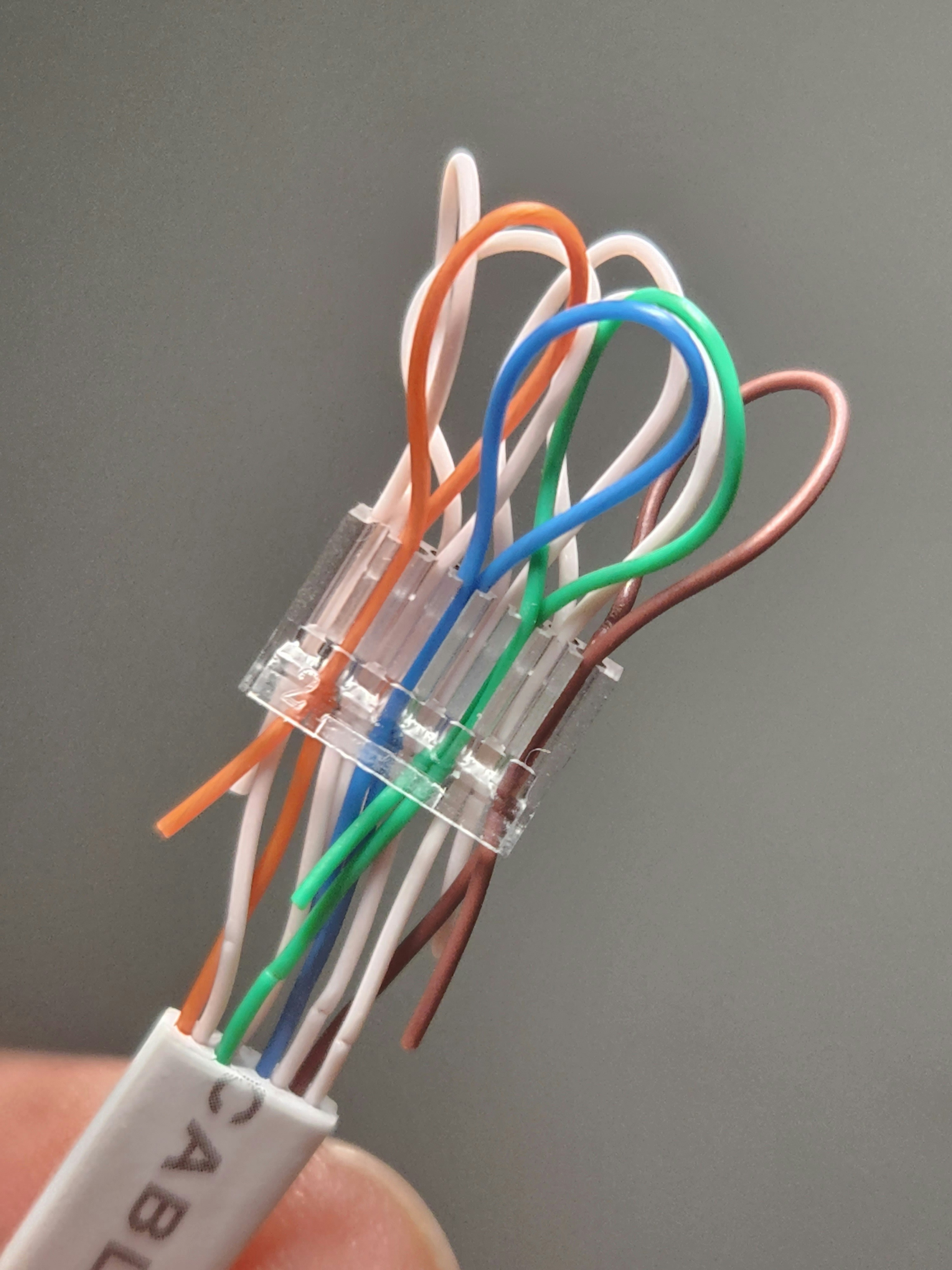
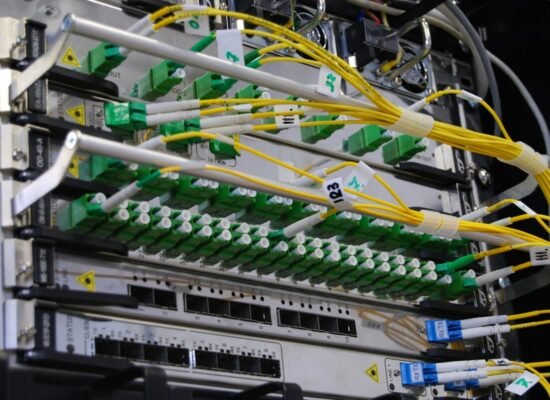
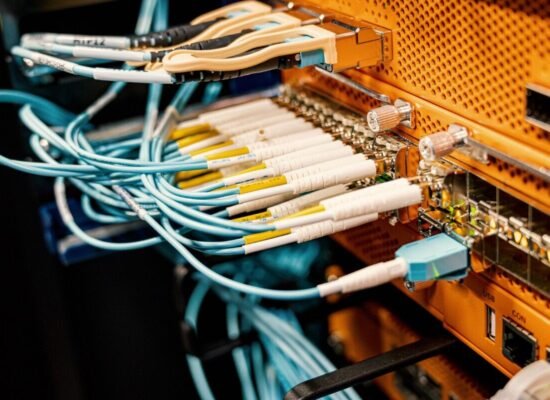
Ethernet is wired. It uses a cable to connect a device directly to a router, modem, or network switch. The cable usually plugs into an Ethernet port on the device.
The biggest advantage of Wi-Fi is convenience. You can move around the house, classroom, or office without being tied to a cable. Wi-Fi is perfect for phones, tablets, laptops, and devices used in different rooms.
The biggest advantage of Ethernet is stability. A wired connection is usually more reliable and less affected by walls, distance, or signal interference. This makes Ethernet useful for desktop computers, gaming systems, smart TVs, and workstations.
Ethernet can also be faster in many situations. While modern Wi-Fi can be very fast, real-world speed depends on distance, router quality, interference, and the number of connected devices. Ethernet often gives a more consistent speed.
Wi-Fi can be affected by obstacles. Walls, floors, metal objects, microwaves, and other electronics can weaken the signal. If you are far from the router, Wi-Fi may slow down or disconnect.
Ethernet requires cables. This can be less convenient and may create clutter if not organized well. Some newer laptops do not include Ethernet ports, so an adapter may be needed.
Security is another difference. Wi-Fi needs a strong password because the signal can reach outside your home. Ethernet requires physical cable access, so it is harder for outsiders to connect directly.
For video meetings, Ethernet can reduce connection drops. For online gaming, Ethernet can reduce lag. For basic browsing, email, and videos, Wi-Fi is usually fine.
Many homes use both. Wi-Fi connects portable devices, while Ethernet connects devices that stay in one place. This mixed setup can give both convenience and stability.
If your Wi-Fi is slow, try Ethernet to see if the problem is the wireless signal. If Ethernet works well but Wi-Fi is poor, the router placement or signal strength may be the issue.
In conclusion, Wi-Fi is wireless and convenient, while Ethernet is wired and stable. Wi-Fi gives freedom. Ethernet gives strength. The best choice depends on your device, location, speed needs, and daily use.
Published by: All About Computer Website
Category: Networking