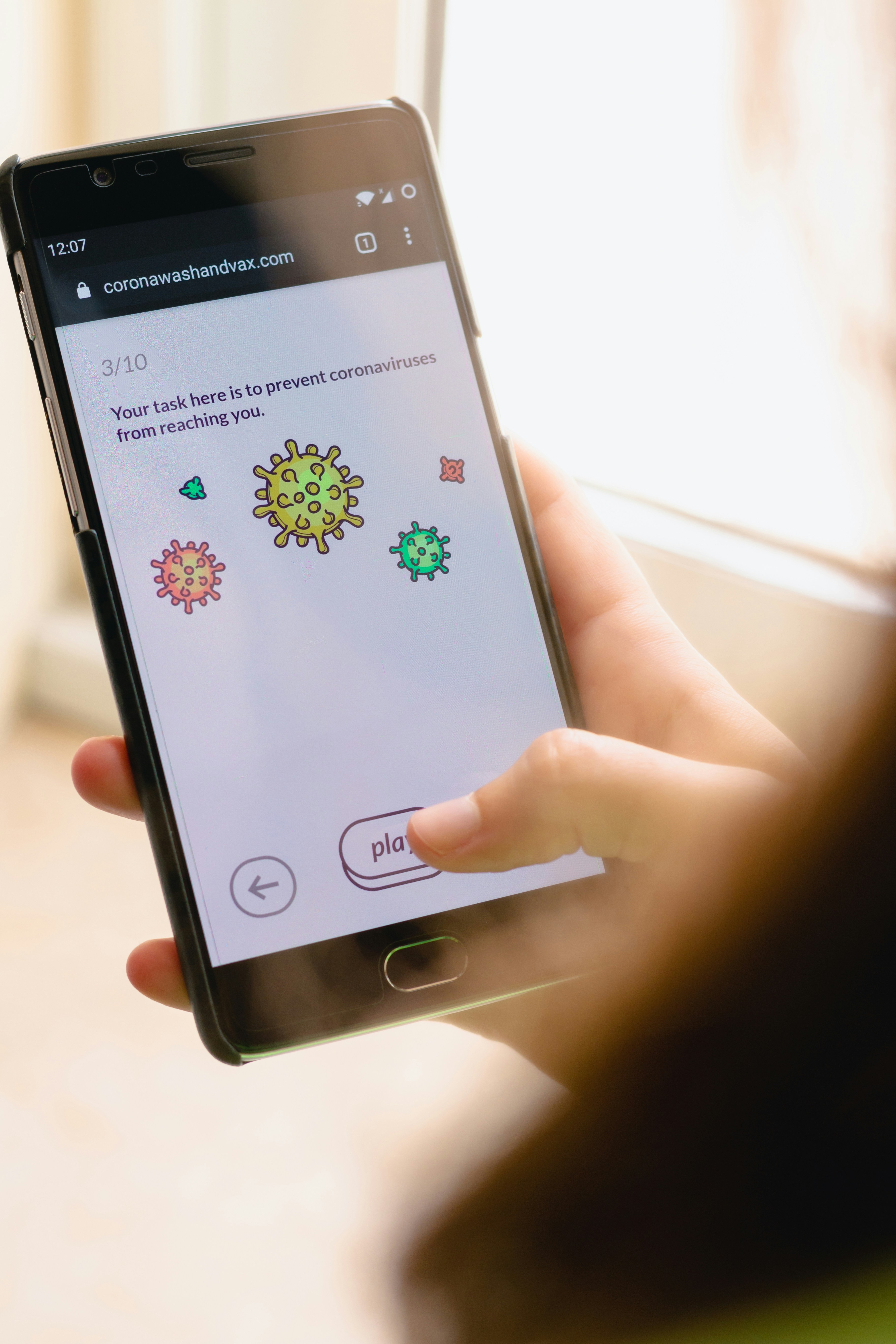
Cybersecurity means protecting computers, phones, networks, accounts, and personal information from digital danger. It helps keep people safe from hackers, viruses, scams, identity theft, and other online threats.
Every time you use the internet, send email, shop online, log in to an account, or save files on a device, cybersecurity matters. It is not only for large companies or computer experts. It is important for students, parents, workers, churches, small businesses, and everyday users.
Cybersecurity protects three important things. The first is privacy. Privacy means keeping personal information away from people who should not see it. The second is safety. Safety means preventing harmful software or criminals from damaging your device or accounts. The third is trust. Trust means knowing that your information, messages, and online activities are protected.
There are many types of cyber threats. A virus can damage files or slow down a computer. Malware can secretly run on a device and cause harm. Phishing emails try to trick people into giving passwords or personal information. Ransomware can lock files and demand money. Fake websites can steal login details.
Good cybersecurity begins with good habits. Use strong passwords. Keep software updated. Avoid suspicious links. Do not open strange attachments. Use antivirus protection. Back up important files. Be careful when sharing personal information online.
One common mistake is thinking, “I am not important enough to be attacked.” In reality, many cyberattacks are not personal. Criminals send scams to thousands or millions of people, hoping someone will click. Even a basic email account can be valuable to a scammer.
Cybersecurity also includes protecting children online. Children should learn not to share personal information, talk to strangers, or click unknown links. Parents and teachers should guide them with safe internet rules.
Businesses and organizations need cybersecurity too. A church, school, clinic, or small business may store names, addresses, donations, records, or private messages. Protecting that information is part of responsible service.
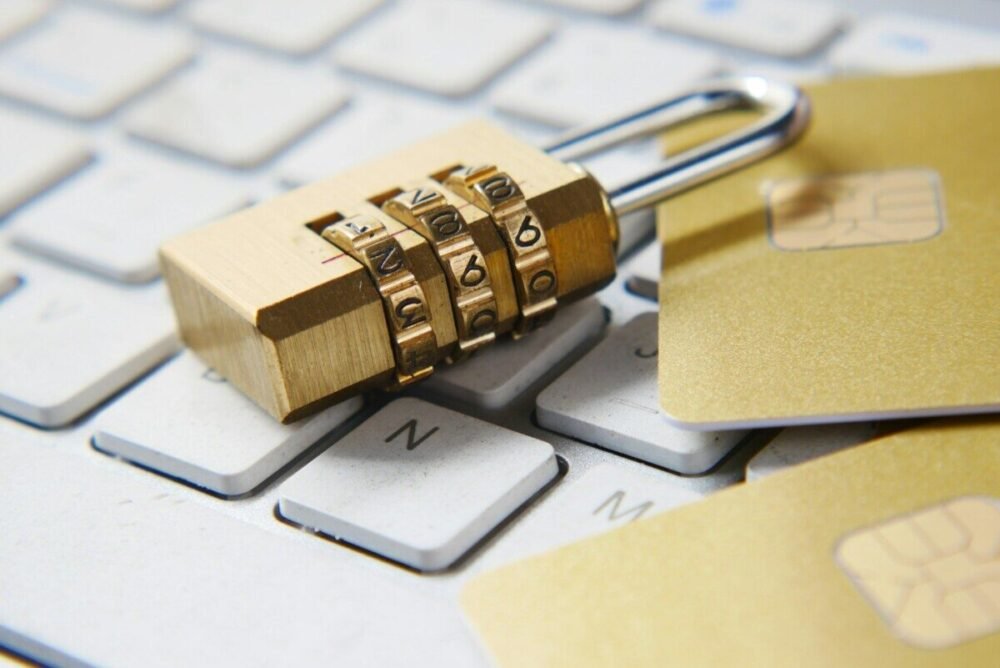
Cybersecurity is like locking the doors of your digital house. You may not see danger every day, but the lock still matters. Strong digital habits protect your information before trouble arrives.
In conclusion, cybersecurity is the practice of protecting devices, accounts, networks, and information from online threats. It helps users stay safe, private, and confident in the digital world. Everyone who uses technology should learn basic cybersecurity.
Published by: All About Computer Website
Category: Cybersecurity