What is a GPU?
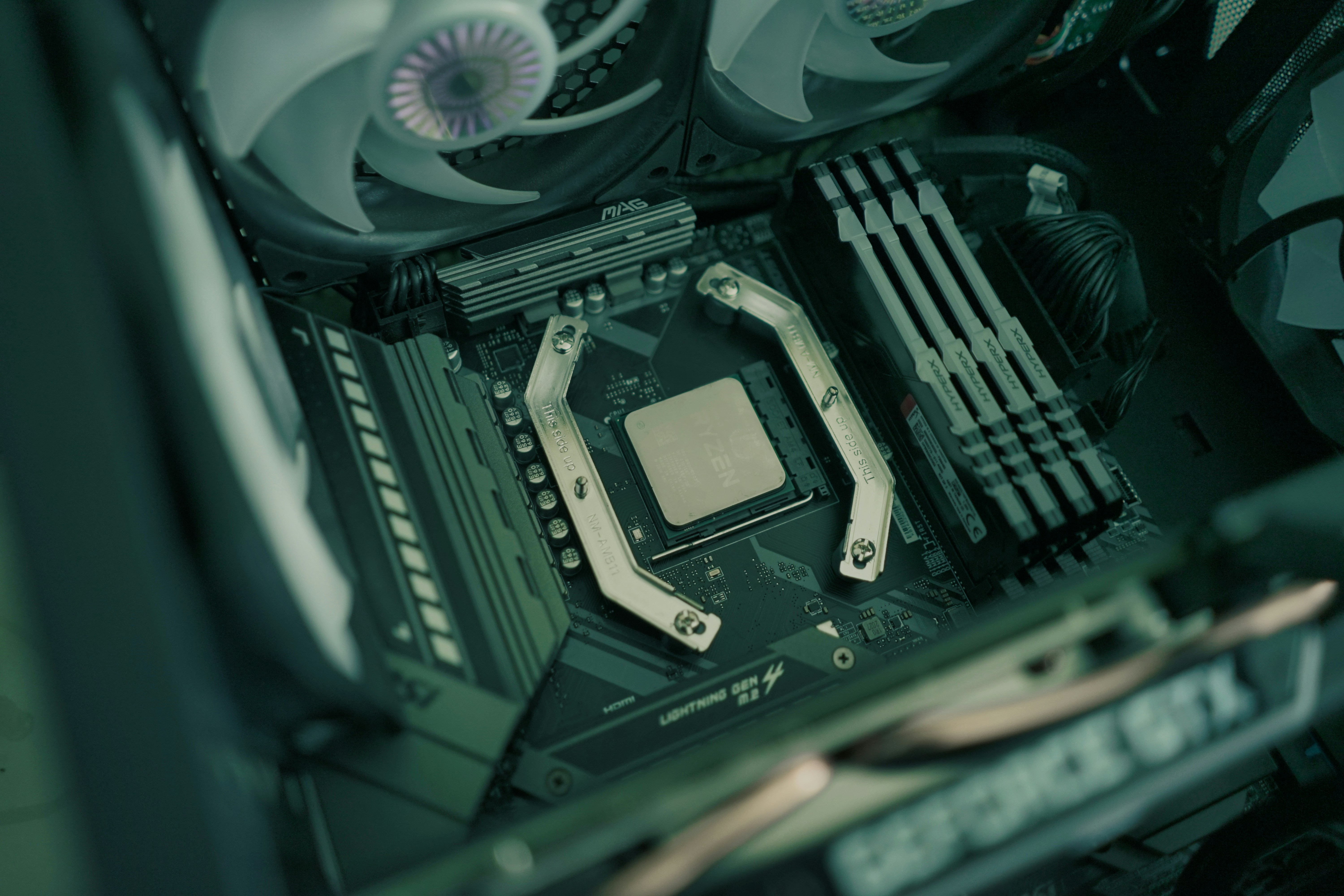
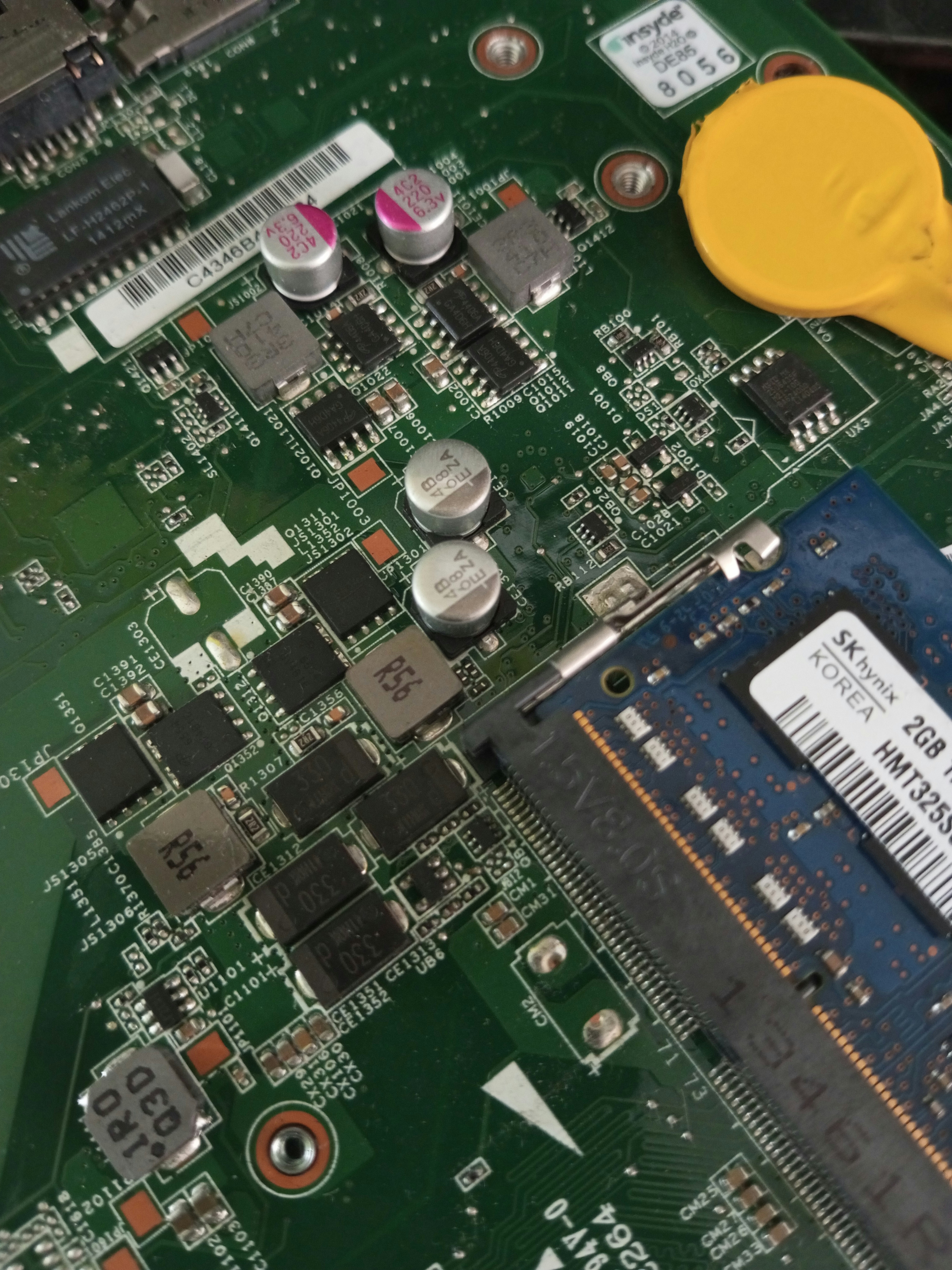
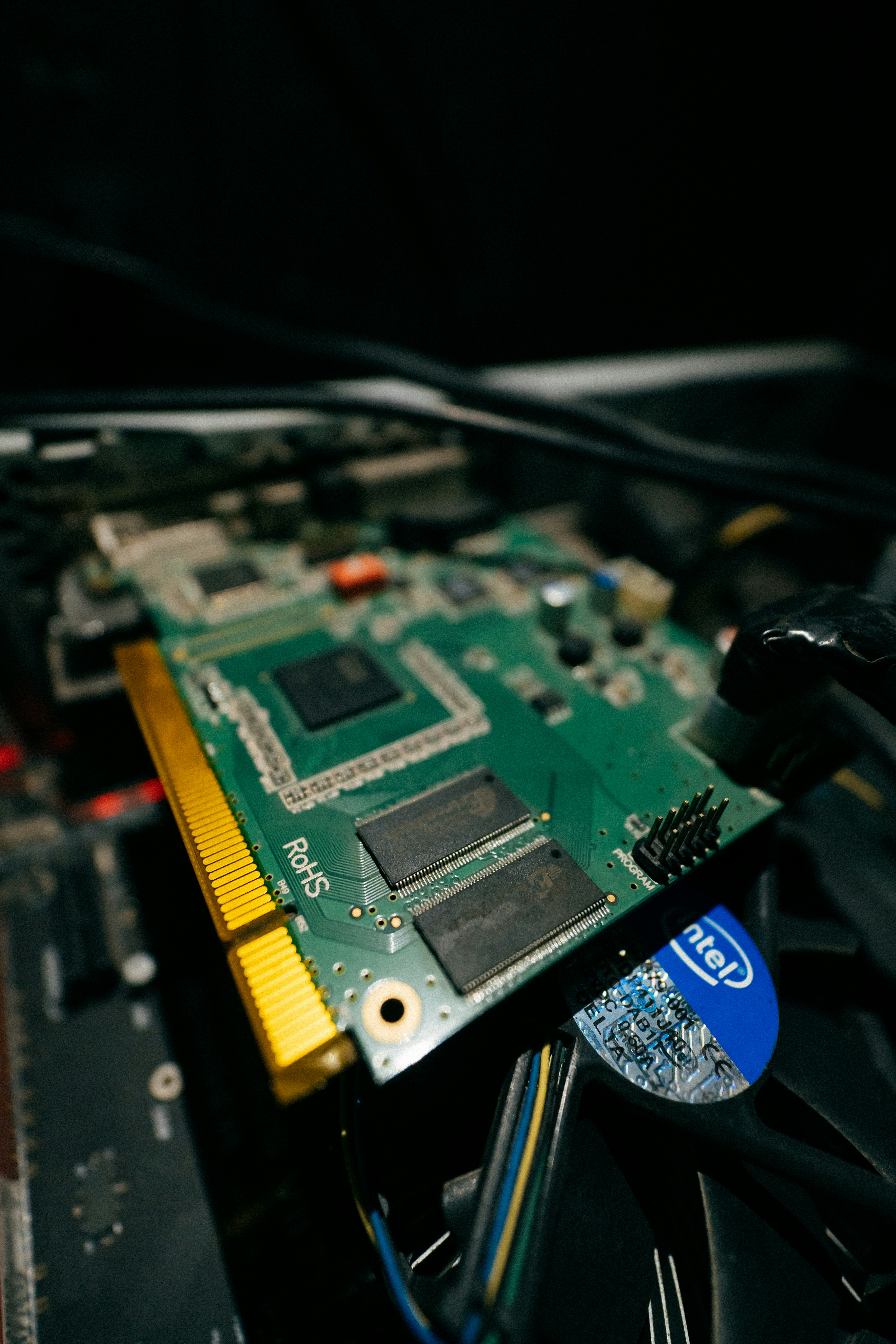
A Graphics Processing Unit (GPU) is a specialized electronic circuit designed to accelerate the creation and rendering of images, animations, and visual effects for output to a display. Unlike a Central Processing Unit (CPU) that can manage a variety of tasks including running the operating system and handling complex calculations, a GPU is optimized for handling multiple operations in parallel. This makes it particularly effective for processing graphics data, which often consists of large numbers of calculations performed simultaneously.
The primary function of a GPU revolves around rendering images and video, executing tasks related to visual data processing. It achieves this through numerous cores that work in tandem, enabling it to process high volumes of data concurrently. This architecture is distinctly different from that of a CPU, which usually consists of a smaller number of cores optimized for serial processing, managing complex instructions and computational tasks sequentially.
A typical GPU architecture contains several key components that contribute to its efficiency in handling graphics tasks. These include shader cores, texture mapping units, and frame buffer. Shader cores are responsible for executing various shading algorithms, determining color and brightness of pixels in an image. Additionally, texture mapping units enhance visual realism by applying textures to 3D models, making scenes visually appealing. The frame buffer temporarily holds the rendered images until they are displayed, playing a critical role in maintaining a fluid visual experience.
Overall, the design and functionality of GPUs are tailored to meet the demands of modern graphics applications, making them an essential component of both gaming and professional graphics rendering. As the complexity of visual data continues to increase, the role of GPUs becomes even more prominent, with their unparalleled ability to boost performance and enrich user experiences in a diverse array of applications.
The Role of GPUs in Gaming
Graphics Processing Units (GPUs) play a pivotal role in the gaming industry, fundamentally transforming how games are developed and experienced by players. As dedicated hardware designed to accelerate the rendering of images and videos, GPUs are crucial for producing the high-quality graphics that modern gamers expect. Unlike CPUs, which handle general computing tasks, GPUs excel at parallel processing, allowing them to perform complex calculations required for rendering visual effects in real time.
One of the primary functions of a GPU in gaming is to manage the rendering of high-resolution graphics. This encompasses various elements such as textures, lighting effects, and animations. The advancements in GPU technology have enabled game developers to create richly detailed worlds while maintaining smooth frame rates, which are essential for an immersive gaming experience. A powerful GPU can deliver higher frames per second (FPS), resulting in a more fluid and responsive gameplay, which is particularly significant for competitive gaming where milliseconds can make a critical difference.
Furthermore, GPUs are equipped with features that enhance visual fidelity, such as real-time ray tracing, which simulates realistic lighting and shadows to create more authentic environments. This not only elevates the aesthetic quality of video games but also enhances player engagement by providing a more believable and captivating experience. As game titles become increasingly complex and graphically demanding, the importance of having a high-performance GPU becomes evident, making it a fundamental component for gamers seeking optimal performance.
In the realm of gaming, selecting the right GPU can be instrumental in achieving the desired performance levels. Gamers often look for GPUs that offer a balanced mix of processing power and efficiency, ensuring that they can enjoy their games at high settings without compromising on frame rates or image quality.
Applications of GPUs Beyond Gaming
While GPUs are often primarily associated with gaming, their utility extends far beyond just providing enhanced graphics for video games. In fact, the architecture and parallel processing capabilities of Graphics Processing Units make them indispensable in several other sectors. One of the most notable applications is in video editing, where GPUs dramatically accelerate rendering times and enhance real-time playback capabilities. By offloading computationally intensive tasks from the CPU to the GPU, video editing software can utilize advanced effects, transitions, and high-resolution content without lag, significantly improving the editing workflow for professionals.
Additionally, 3D design and modeling greatly benefit from the computational power of GPUs. In industries such as architecture, product design, and animation, the ability to render complex 3D models and environments in real-time allows designers and engineers to visualize their projects more accurately. This capability not only streamlines the design process but also facilitates interactive presentations that can impress clients and stakeholders alike.
Moreover, the advent of artificial intelligence (AI) and machine learning has found a strong ally in GPUs. Their parallel processing capabilities enable faster training of neural networks, which are foundational in AI applications ranging from image recognition to natural language processing. Research institutions and tech companies harness the power of GPUs to run extensive calculations and simulations, thereby speeding up innovation and the deployment of intelligent solutions in various fields, including healthcare, autonomous vehicles, and robotics.
Through these applications, it becomes evident that the significance of GPUs transcends the realm of gaming, playing an essential role in advancing technology across numerous industries. As GPU technology continues to evolve, its importance in professional fields will likely expand even further, continuing to enhance efficiency and capabilities in diverse applications.
Integrated GPUs vs. Dedicated GPUs
When evaluating graphics processing units (GPUs), it is essential to distinguish between integrated and dedicated GPUs, as each serves different purposes and has unique characteristics. Integrated GPUs are embedded within the central processing unit (CPU) and share system memory with the CPU, while dedicated GPUs are separate hardware components that have their own dedicated memory. This fundamental difference influences their performance, cost, and typical use cases.
One of the main advantages of integrated GPUs is their cost-effectiveness. Since they are built into the CPU, they eliminate the need for an additional graphics card, which can significantly reduce the overall expense of a computer system. Integrated GPUs are beneficial for everyday tasks such as web browsing, video streaming, and basic gaming, making them an ideal choice for non-intensive users. However, their performance can falter under demanding applications, such as high-end gaming or graphic design, where processing power and memory capacity become limiting factors.
In contrast, dedicated GPUs offer superior performance, as they are designed specifically for graphics processing. With their own video memory (VRAM), dedicated GPUs are better suited for resource-intensive tasks, including 3D rendering, gaming, and professional graphics work. Their architecture is optimized to handle complex graphical calculations, resulting in enhanced frame rates and overall performance. However, this advantage comes at a higher financial cost, as dedicated GPUs can significantly increase the price of a system.
In summary, the choice between integrated and dedicated GPUs hinges on the user’s specific needs. Casual users may find integrated GPUs satisfactory for their requirements, while those seeking performance for demanding applications will benefit more from a dedicated GPU. Understanding these differences is crucial when selecting a system that aligns with one’s performance expectations and budget constraints.
The Evolution of GPU Technology
The development of Graphics Processing Units (GPUs) has significantly transformed the landscape of computer graphics and processing. Initially, the graphics capabilities of computers were limited, relying largely on the Central Processing Unit (CPU) to handle both general-purpose computing and graphics rendering. During the late 1980s, the first true graphics cards emerged, primarily used for basic 2D rendering tasks. These earlier solutions were often referred to as video graphics arrays (VGAs), which provided the foundational capabilities for computer graphics.
The 1990s marked a pivotal period in GPU technology with the introduction of dedicated 3D graphics acceleration. Companies such as 3dfx and NVIDIA introduced their flagship products, enhancing the realism of games and digital content. Notable innovations included texture mapping, anti-aliasing, and dynamic lighting, revolutionizing visual output. The release of the NVIDIA RIVA 128 in 1997, for instance, offered a substantial leap in performance and capabilities, solidifying NVIDIA’s position in the market.
As the new millennium approached, GPU technology continued to advance rapidly. The introduction of programmable shaders and APIs like DirectX and OpenGL allowed developers to exploit the full power of GPUs, paving the way for even more complex graphics rendering. By the mid-2000s, GPUs had evolved to support high-definition graphics, and their architecture increasingly included numerous cores. This shift turned them into highly parallel processors capable of handling a wide range of computational tasks beyond just graphics.
In recent years, GPUs have adapted to meet the demands of machine learning and AI, branching out from their original purpose of graphics rendering. Companies like AMD and NVIDIA now incorporate deep learning capabilities, making GPUs essential not only for gaming but also for data analysis and scientific research. Today’s GPUs are a far cry from their early counterparts, representing a pinnacle of technological advancement that continues to evolve with each passing year.
How to Choose a GPU for Your Needs
Selecting the right Graphics Processing Unit (GPU) is crucial for achieving optimal performance in computing endeavors. Whether you are gaming, engaging in graphic design, or pursuing artificial intelligence (AI) projects, understanding how to choose the best GPU tailored to your requirements is essential.
One of the first factors to consider when selecting a GPU is performance benchmarks. These benchmarks provide valuable insights into how different models perform under various conditions, allowing you to compare their capabilities effectively. It is advisable to review independent reviews and benchmarks from reliable sources, focusing on metrics that pertain to your intended use. For example, gamers would prioritize frame rates and resolutions, while graphic designers might focus on rendering performance and the support for specific software applications.
In addition to performance, ensuring compatibility with your existing hardware is imperative. This involves confirming that your motherboard has the appropriate slot for the GPU, whether it’s PCIe x16, and ensuring your power supply unit (PSU) can deliver sufficient power. Also, consider the physical dimensions of the GPU; it must fit into your computer case without obstruction. Compatibility extends to the cooling system as well; effective thermal management is vital for ensuring the longevity and performance of the GPU.
Furthermore, your intended use should significantly influence your selection. If you plan to use the GPU primarily for gaming, look for models designed with high refresh rates and low latency. For graphic design or 3D modeling applications, select GPUs with strong support for software-specific tasks. On the other hand, AI applications may benefit from GPUs with high computational capabilities and tensor cores.
Lastly, budget constraints are a reality for most consumers. Set a budget that allows for flexibility while also providing the necessary performance improvements you seek. Consider future upgrades and longevity when making this investment; opting for a slightly more powerful GPU than currently needed could save you from future replacement costs. Finding the balance between performance and cost will ensure that your investment meets your needs effectively.
Future Trends in GPU Technology
As technology continues to evolve, graphics processing units (GPUs) are set to experience significant advancements. One of the most notable trends is the rise of AI-driven GPUs. These GPUs are engineered to support the increasing demands of artificial intelligence (AI) and machine learning applications. By integrating features such as tensor cores and enhanced parallel processing capabilities, GPU manufacturers are creating hardware specifically optimized for AI workloads. This shift not only enhances computational efficiency but also facilitates the deployment of AI models in real-time scenarios.
Another area poised for growth is ray tracing technology. Ray tracing simulates the behavior of light to produce highly realistic images, making it particularly valuable for gaming, film, and virtual simulations. Upcoming GPUs are integrating advanced ray tracing features that allow for more complex lighting and shadow effects, creating immersive experiences. As the software ecosystem evolves to leverage these capabilities, the democratization of ray tracing across diverse platforms is anticipated, enhancing visual fidelity across the board.
Furthermore, the emergence of virtual reality (VR) and augmented reality (AR) is reshaping GPU design. As applications in these areas grow, the need for more powerful and efficient GPUs becomes paramount. Future GPUs are likely to prioritize low latency and high frame rates, essential for maintaining an immersive experience in VR and AR environments. Additionally, GPUs may incorporate technologies that reduce the overall power consumption while maximizing output, addressing concerns related to thermal management and energy efficiency in modern computing systems.
Overall, the future of GPU technology appears promising, with significant innovations on the horizon. The integration of AI functionality, advancements in ray tracing, and the increasing relevance of VR and AR will undoubtedly redefine how GPUs are designed and utilized, ultimately setting new standards in the industry.
Challenges Facing GPU Technology
The rapid advancement of Graphics Processing Unit (GPU) technology has been accompanied by a multitude of challenges that impede its growth and efficiency. One significant challenge is the excessive heat generation associated with modern GPUs. As these processors become increasingly powerful, they often require advanced cooling solutions to maintain optimal performance. Overheating can lead to performance throttling, stability issues, and potential damage to the hardware, compelling manufacturers to develop innovative cooling systems that can handle the increased thermal output.
Another pressing issue is power consumption. High-end GPUs, particularly those utilized for gaming and intensive computational tasks, require substantial electrical energy to function effectively. This can pose challenges for users seeking to build energy-efficient systems while also facing rising electricity bills due to high consumption rates. Manufacturers are therefore under continuous pressure to create more energy-efficient models without compromising on performance.
Furthermore, supply chain issues have significantly impacted GPU availability. The global semiconductor market has experienced disruptions, exacerbated by the COVID-19 pandemic, which has led to shortages in GPU components. These supply chain constraints result in inflated prices and limited accessibility for consumers and businesses alike, stunting growth in various sectors that rely on advanced graphics processing.
Alongside these technological and logistical challenges, environmental concerns are becoming increasingly prominent in discussions regarding GPU production and disposal. The mining of raw materials necessary for GPU manufacturing can lead to ecological damage, as well as significant energy consumption during the production process. Moreover, the disposal of outdated GPUs has implications for electronic waste, prompting the industry to seek sustainable practices to minimize its environmental footprint.
Conclusion: The Essential Role of GPUs in Modern Computing
In the realm of modern computing, graphics processing units (GPUs) have transitioned from being specialized hardware for rendering graphics to essential components driving a multitude of applications. As we have explored throughout this blog post, the invaluable contributions of GPUs extend far beyond traditional gaming and graphics tasks, impacting fields such as artificial intelligence, scientific research, and data analysis.
The parallel processing capabilities of GPUs allow them to handle vast amounts of data simultaneously, making them indispensable in scenarios where computational efficiency is paramount. In artificial intelligence, for instance, GPUs facilitate deep learning tasks, enabling the training of complex neural networks at unprecedented speeds. Similarly, in scientific research, they can perform simulations and calculations that were once limited by the capabilities of central processing units (CPUs).
Moreover, the evolution of technology continually reinforces the significance of GPUs. As high-performance computing demands escalate, industries increasingly rely on GPUs for solutions, be it for real-time rendering in virtual reality or for accelerating pharmaceutical developments through simulations. The integration of machine learning and data processing further emphasizes the adaptability and essential nature of GPUs in contemporary computing systems.
To summarize, GPUs have undeniably become the backbone of modern digital experiences and applications. Their multifaceted roles enhance effective data visualization and computation, streamline workflows, and enable breakthrough innovations across multiple sectors. As technology continues to advance, GPUs will remain pivotal in shaping the future of computing, driving efforts towards efficiency, innovation, and enhanced digital experiences for users worldwide.