Websites may look simple on the screen, but several parts work together behind the scenes. Understanding how websites work helps beginners learn web design, hosting, domains, browsers, and online publishing.
The process starts when a person types a website address into a browser. The browser asks the internet to find that website. The website address is called a domain name.
A domain name is connected to a server. A server is a computer that stores the website files. These files may include text, images, code, videos, and design information.
The internet uses a system called DNS, which stands for Domain Name System. DNS works like an internet phonebook. It connects the domain name to the correct server.
Once the browser finds the server, the server sends website files back to the browser. The browser reads those files and displays the website on the screen.
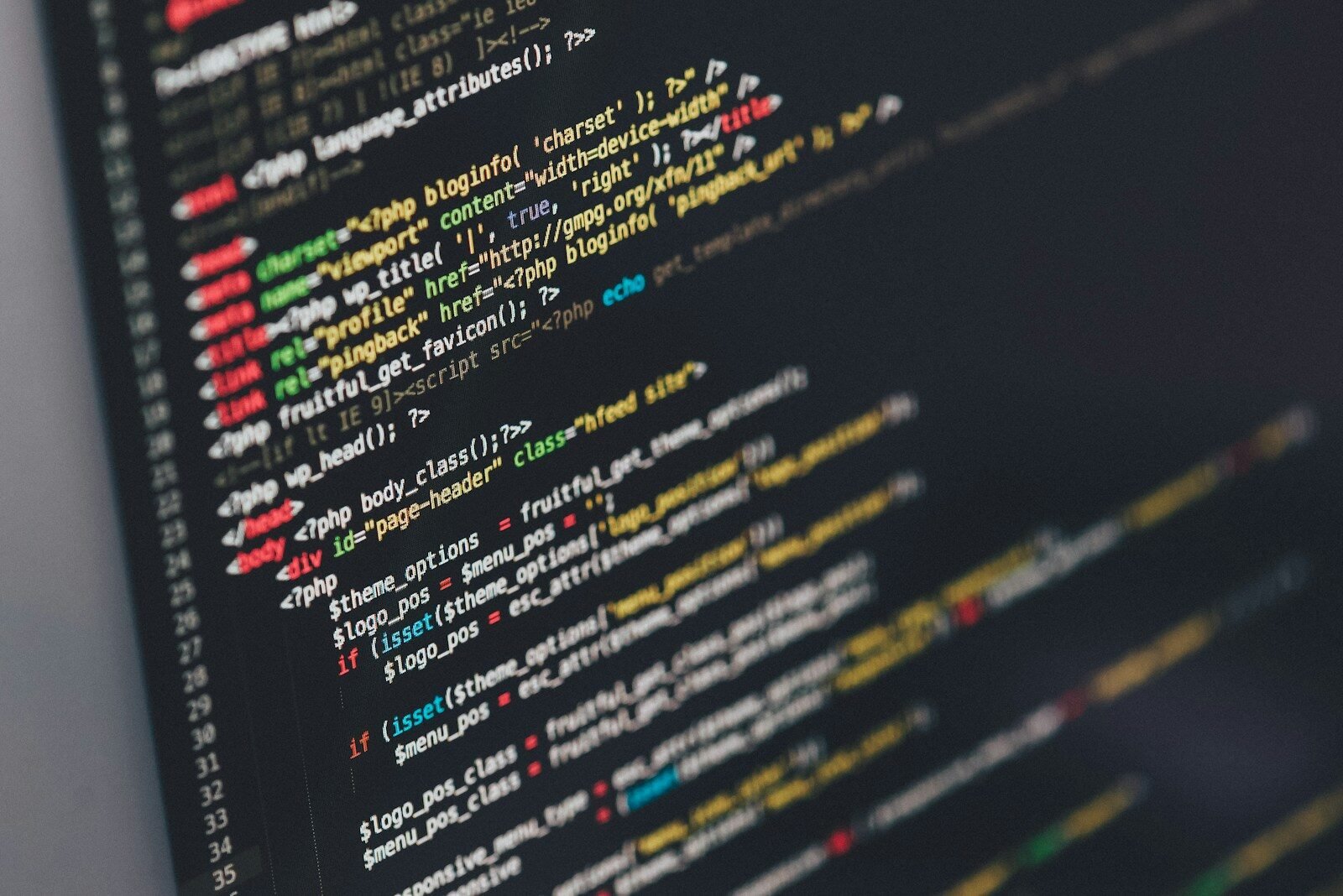
Websites are often built with HTML, CSS, and JavaScript. HTML creates the structure of the page. It tells the browser where headings, paragraphs, images, and links belong. CSS controls the design, including colors, fonts, spacing, and layout. JavaScript adds interactive features, such as menus, sliders, forms, and buttons.
Some websites use content management systems. WordPress is a popular example. A content management system allows users to create and update pages without writing all the code manually.
Web hosting is another important part. Hosting is the service that stores website files online and makes them available to visitors. Without hosting, most websites cannot be reached by the public.
A website also needs organization. Pages should be arranged clearly. Menus should help visitors move around. Images should load quickly. Text should be readable.
When a visitor clicks a link, the browser requests another page or section. This process happens quickly, so the website feels smooth when it is working well.
Websites can be static or dynamic. A static website shows the same content to every visitor unless someone edits the files. A dynamic website can change content based on users, accounts, searches, forms, or databases.
Security is important. Websites should use HTTPS, strong passwords, updates, backups, and safe plugins. A poorly maintained website can be attacked or broken.
Speed also matters. If a website loads too slowly, visitors may leave. Good hosting, optimized images, and clean design can improve speed.
In conclusion, websites work through browsers, domain names, DNS, servers, hosting, and code. The visitor sees a page, but behind the curtain, many digital gears spin together. Learning how websites work is the first step toward creating and managing them.
Published by: All About Computer Website
Category: Website and Digital Skills