
Category: Network Hardware and Connectivity
INTRODUCTION
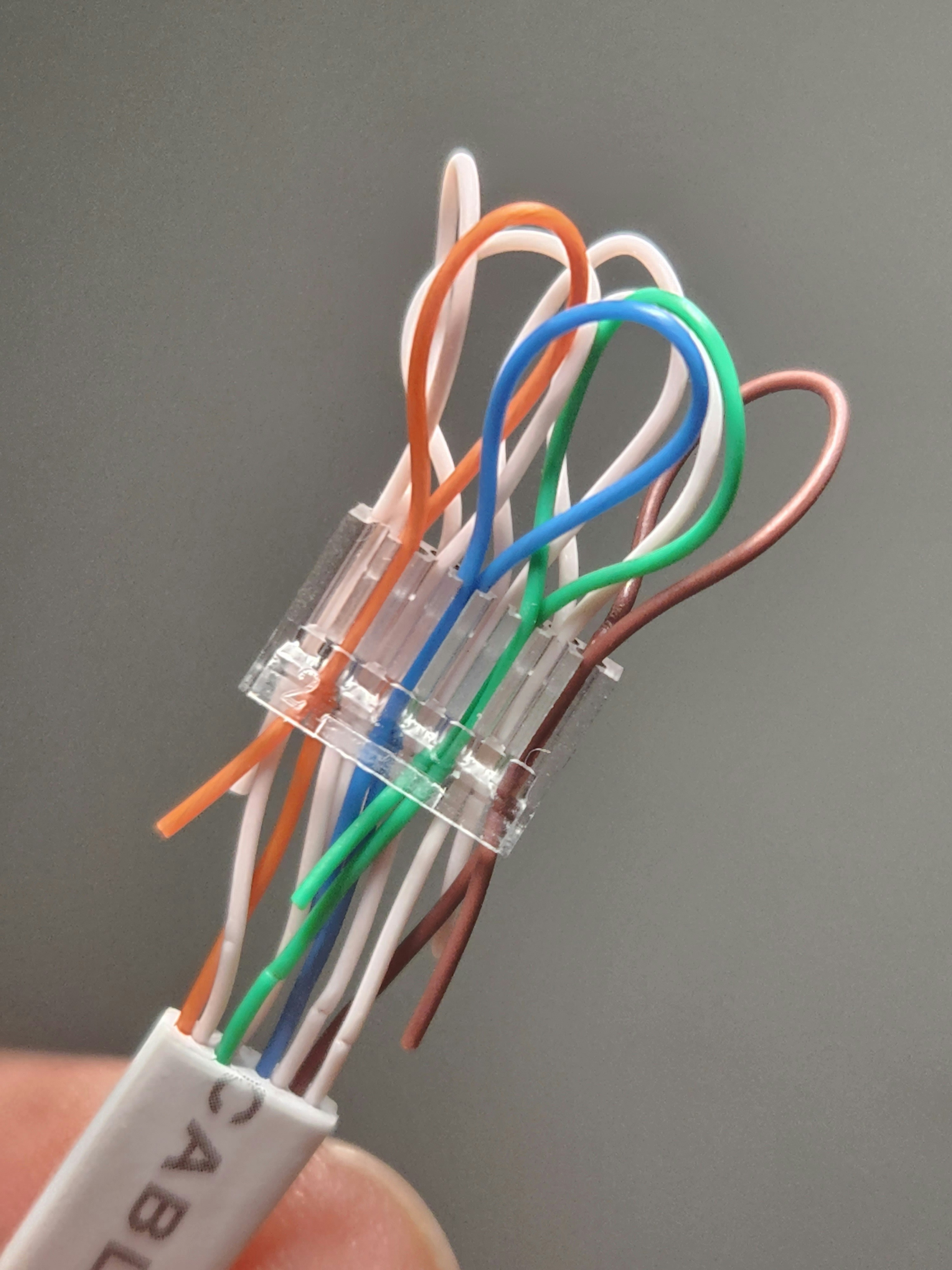
Cat5e, Cat6, and Cat7 Cables Explained is an important topic for anyone learning how computers and digital devices communicate. This article explains the subject in clear language for readers of the All About Computers Website. It focuses on the purpose of the technology, how it works, where it is used, and what beginners should remember.
KEY IDEAS
In practical terms, cat5e commonly supports Gigabit Ethernet over standard channel lengths when properly installed. This idea matters because networking problems are easier to solve when each component’s job is understood.
For beginners, cat6 provides improved performance and can support higher speeds over shorter distances. The exact behavior can vary by equipment, operating system, service provider, and configuration.
A useful way to understand this is that cat6a is designed for 10 Gigabit Ethernet over full standard copper channel distances. Good documentation makes setup, maintenance, and future troubleshooting much more reliable.
In a home or workplace network, cat7 is a shielded cabling category used in some installations, but common home equipment often uses standard RJ45-based Cat6 or Cat6a. Security should be considered during setup rather than added only after a problem occurs.
From a troubleshooting perspective, buy cable based on required speed, certified construction, installation environment, and connector compatibility rather than a larger category number alone. Testing one change at a time helps identify the real cause instead of creating new confusion.
HOW TO APPLY THIS KNOWLEDGE
1. Identify the role of each device or protocol in the communication path.
2. Compare the concept with a familiar home or office example.
3. Review the addresses, connections, and security controls involved.
4. Use a small lab or simulation to observe the concept safely.
5. Summarize what the technology does, what it does not do, and when it is useful.
COMMON MISTAKES TO AVOID
– Buying equipment based only on the largest advertised number.
– Ignoring placement, cabling quality, compatibility, and interference.
– Confusing a modem, router, switch, and access point.
– Assuming wireless coverage automatically means good performance.
IMPORTANT TERMS
network, device, connection, protocol, security
PRACTICAL REMINDER
Networking settings can affect internet access, privacy, security, and shared resources. Before changing a router, server, workplace computer, or managed network, save the current configuration and make sure you have permission. Use official documentation for your equipment and operating system because menu names and supported features can differ.
CONCLUSION
Understanding cat5e, cat6, and cat7 cables explained gives learners another piece of the networking puzzle. The most important habit is to connect the definition with a real communication path: the device, local network, router, service, destination, and return traffic. With careful setup, secure practices, and step-by-step testing, beginners can build confidence and solve many everyday networking problems.
Copyright 2026 All About Computers Website
Educational use article.