What is Cache Memory?
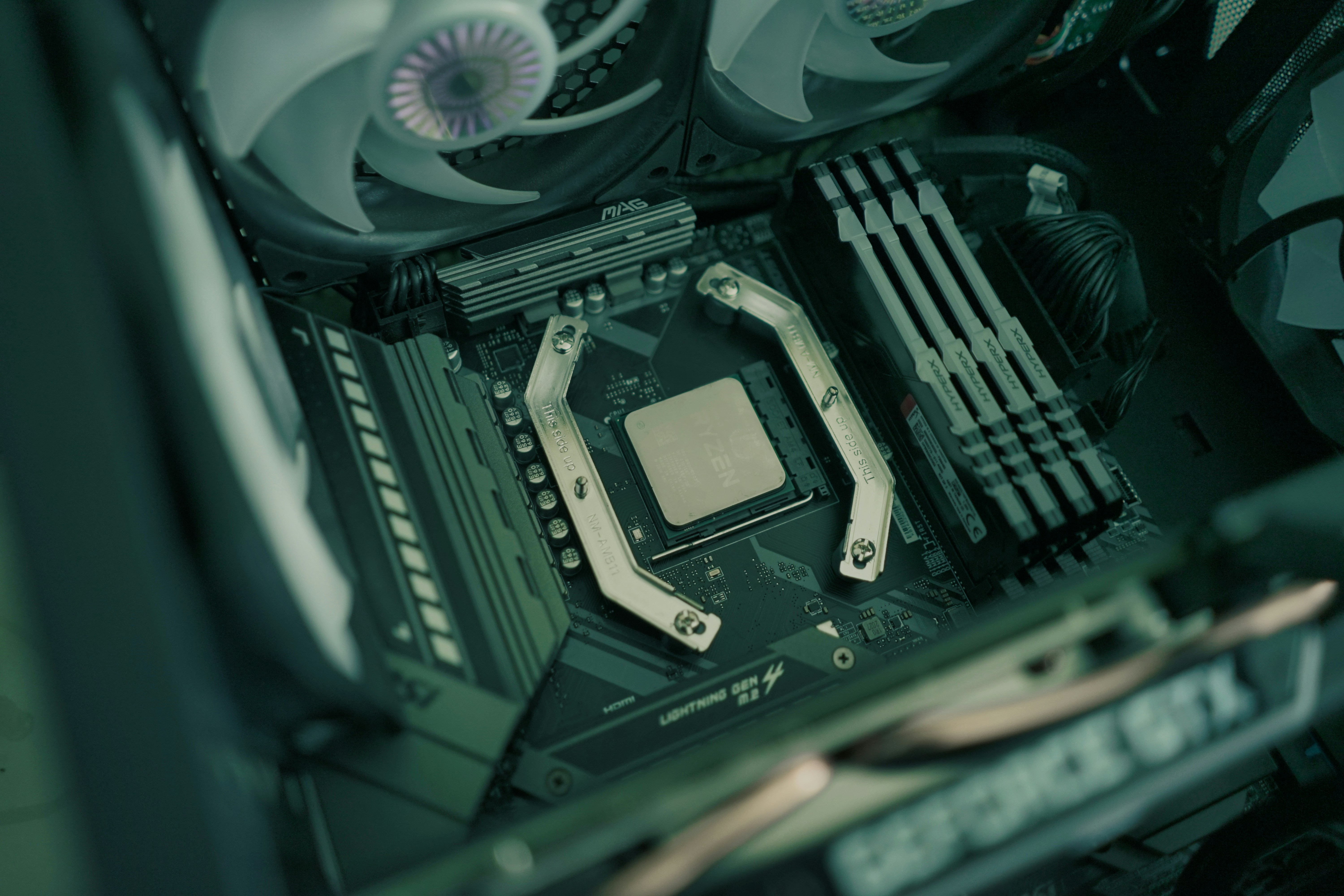
Cache memory is a small, high-speed storage area that is situated between the main memory (RAM) and the CPU in a computer system. Its primary function is to temporarily hold frequently accessed data and instructions, effectively bridging the speed gap between the CPU and the slower RAM. Because modern CPUs operate at significantly higher speeds than traditional memory technologies can provide, cache memory serves as a critical component in enhancing overall system performance.
Typically, cache memory is organized into multiple levels (L1, L2, and L3), with L1 being the smallest and fastest, and situated directly on the CPU chip. L2 and L3 caches are larger and offer additional storage capacity, albeit at slower access speeds compared to L1 cache. Most processors are designed with L1 cache to achieve the quickest possible access times, followed by L2 and L3 caches which, although slower, still provide a significant speed advantage over main memory.
The role of cache memory is to minimize the time it takes for the CPU to access data. When the CPU needs to read or execute data, it first checks whether this data is available in the cache. If the required information is present—a situation known as a cache hit—the CPU can retrieve it much faster than if it had to fetch it from the slower RAM. However, if the data is not in the cache, referred to as a cache miss, the CPU will retrieve it from the main memory, which results in increased latency.
In summary, cache memory is essential for ensuring efficient data retrieval processes within computer architecture. By storing frequently accessed information closer to the CPU, cache memory dramatically boosts the performance of various computing tasks, making it a vital component in modern computer system designs.
Types of Cache Memory
Cache memory is an essential component in the architecture of modern computers, designed to provide faster data access to the processor than traditional RAM. The three main types of cache memory are known as L1, L2, and L3 cache, each with distinct characteristics, such as size, speed, and typical usage.
The L1 cache, or Level 1 cache, is the smallest and fastest type of cache memory. It is directly integrated into the processor chip and operates at the same speed as the CPU. Its capacity typically ranges from 16KB to 128KB, making it suitable for storing the most frequently accessed data and instructions. Due to its speed, the L1 cache significantly reduces latency for the processor, enhancing overall performance.
In contrast, the L2 cache, or Level 2 cache, is larger than L1, with capacities ranging from 256KB to several megabytes. It is often found either on the processor chip or in close proximity to it on the motherboard. The L2 cache acts as a bridge between the L1 cache and the main memory, being slower than L1 but faster than the system RAM. It stores a larger pool of data and instructions that are not as frequently accessed as those in the L1 cache, but are still essential for optimizing the processor’s performance.
Lastly, the L3 cache, or Level 3 cache, is typically shared among multiple cores of a multi-core processor. Its capacity can reach several megabytes, providing a larger cache pool that enhances performance during multitasking. Although L3 cache is slower than both L1 and L2 caches, its size allows it to store data more efficiently, reducing the need for the CPU to access the slower main memory. In essence, these three types of cache memory work together to create a streamlined data access process that is crucial for achieving enhanced computer performance.
How Cache Memory Works
Cache memory operates as a high-speed storage facility that is situated between the main memory and the CPU. It is designed to enhance the speed of data retrieval and processing. At its core, cache memory leverages the principle of locality of reference, which suggests that programs tend to access a relatively small portion of their address space at any given time. This behavior manifests in two forms: temporal locality, where recently accessed data is likely to be accessed again soon, and spatial locality, where data located near recently accessed data is more likely to be accessed.
When a CPU requests data, the cache memory is the first point of access. This action begins the caching process, wherein the following outcomes may occur: a cache hit or a cache miss. A cache hit transpires when the requested data is already present in the cache. In this favorable scenario, the CPU can rapidly obtain the necessary information, allowing for efficient operation. Data retrieval from the cache is notably faster than fetching it from the main memory, significantly reducing the processing time and enhancing overall performance.
Conversely, a cache miss occurs when the requested data is not found in the cache. This necessitates retrieving the data from the slower main memory, creating a time lag in the processing sequence. To mitigate the effects of cache misses, memory management systems employ various replacement policies, such as Least Recently Used (LRU) or First-In-First-Out (FIFO), to effectively manage the cached information and ensure that frequently accessed data remains readily available.
Overall, the functionality of cache memory is indispensable for improving computer performance. By optimizing data retrieval times through the utilization of locality of reference, cache memory plays a critical role in ensuring that the CPU efficiently processes information, ultimately leading to enhanced computing capabilities.
Benefits of Cache Memory
Cache memory serves a critical role in modern computing systems, offering numerous advantages that enhance overall performance. One of the primary benefits of cache memory is its ability to improve processing speed. By storing frequently accessed data and instructions nearer to the CPU, cache memory significantly reduces the time it takes for the processor to retrieve information. This speed enhancement is crucial in applications ranging from simple software tasks to complex data analysis, where quick access to information can make a substantial difference in productivity.
Another significant advantage of cache memory is its impact on latency reduction. Latency, the delay before a transfer of data begins following an instruction, can hinder a system’s efficiency. Cache memory minimizes latency by allowing the processor to quickly access data that would otherwise require a longer retrieval time from the main memory. This is particularly beneficial in scenarios where multiple applications are running simultaneously, as the cache enables quicker response times and smoother multitasking capabilities.
Finally, the overall enhanced performance facilitated by cache memory can be seen in various computing tasks, such as gaming, graphic design, and scientific simulations. These tasks often require rapid processing of large amounts of data; thus, the quick access provided by cache memory allows for a seamless user experience. Moreover, as applications continue to evolve and data demand increases, the effectiveness of cache memory becomes even more pronounced, making it an indispensable component in any computer system. By leveraging its advantages, users can achieve better efficiency and effectiveness in their computing endeavors.
Cache Memory Hierarchy
Cache memory hierarchy is a critical aspect of computer memory architecture designed to enhance processing speeds and overall system performance. In general, cache is a small amount of high-speed memory located between the CPU and RAM. This setup allows for quicker data access compared to fetching data directly from the slower main memory. The cache memory hierarchy typically consists of several levels: L1, L2, and L3 caches, each varying in size and access speed.
Level 1 (L1) cache is the smallest and fastest type of cache, located directly on the CPU chip. It typically ranges from 16KB to 64KB and has the quickest access times. The L1 cache is primarily responsible for storing the most frequently accessed data and instructions, thereby minimizing the need to access the slower memory tiers. The next level, Level 2 (L2) cache, usually ranges from 256KB to several megabytes and serves as a bridge between the CPU and the slower main memory. Though it is larger than L1, it is slightly slower in terms of access speed.
Level 3 (L3) cache is present in some multi-core processors and serves as a shared resource across various cores. This larger cache can range from 2MB to more than 20MB. Its primary function is to facilitate communication between the core processors and reduce memory latency when dealing with larger datasets. The use of a cache memory hierarchy means data can be retrieved from these faster levels rather than the slower RAM, substantially improving processing performance.
In summary, the organization of cache memory within a hierarchy enhances a computer’s efficiency, as it optimally stores critical data at varying levels. This optimization not only streamlines data access but also ensures that the CPU can operate at peak performance levels by quickly accessing the necessary instructions and information. Understanding cache memory hierarchy is vital for appreciating how computers maximize processing speed and efficiency.
Cache Memory vs. Main Memory
Cache memory and main memory (often referred to as RAM) are two critical components of computer architecture that serve distinct roles in enhancing performance. The primary difference lies in their speed, capacity, and functionality, which together influence how efficiently a computer processes data.
Cache memory operates at a significantly higher speed compared to main memory. It is designed to provide quick access to frequently used data, allowing the CPU to retrieve information rapidly. Cache memory is typically made up of static RAM (SRAM), which, while more expensive, delivers superior speed and reduces latency. This makes it ideal for meeting the demands of modern processing tasks, where quick data access can lead to noticeable improvements in performance.
In contrast, main memory is composed of dynamic RAM (DRAM), which is slower due to its design and structure. Although DRAM is larger in capacity, capable of storing several gigabytes of data, it does not match the access speed of cache memory. Consequently, while main memory can house the bulk of an operating system, applications, and active processes, the system must continually manage and optimize data transfers between cache and main memory to maintain efficiency.
The usage of cache memory is focused primarily on storing copies of frequently accessed data and instructions from the main memory. This enables the CPU to execute tasks more efficiently without constantly querying the slower main memory. On the other hand, main memory serves as a workspace for running applications, facilitating a larger storage capacity necessary for handling multiple simultaneous processes.
In conclusion, the differences between cache memory and main memory are critical to understanding computer performance. Cache memory provides speed and efficiency by storing frequently accessed information, while main memory offers a larger capacity for running applications and managing data. Together, they form a comprehensive memory structure that enhances overall computing processes.
Factors Affecting Cache Performance
Cache memory plays a crucial role in enhancing computer performance, and several factors determine its efficacy. Key among these factors are cache size, associativity, and replacement policies.
The size of the cache is perhaps the most immediately impactful factor. A larger cache can hold more data, which increases the likelihood of the required data being cached, thereby reducing access time. However, simply increasing the cache size can lead to diminishing returns, as the cost and complexity of managing larger caches can outweigh the benefits once a certain threshold is reached. Therefore, optimizing cache size is essential for improving memory access efficiency.
Associativity is another significant aspect that influences cache performance. It refers to how the cache is organized in terms of mapping data from main memory to cache lines. Higher associativity can reduce the chances of cache misses, as there are more options available for storing data in the cache. However, highly associative caches may introduce additional complexity in access time due to the need to search multiple locations. Thus, there’s a balance that must be struck between the level of associativity and the speed of access.
Lastly, replacement policies govern how cache lines are replaced when new data needs to be cached. Popular policies such as Least Recently Used (LRU) and First In First Out (FIFO) affect cache performance based on how effectively they predict which data will remain useful. An effective replacement policy can minimize cache misses and maximize data retention that is beneficial for enhancing performance.
In conclusion, understanding these factors—cache size, associativity, and replacement policies—provides insight into how to optimize cache memory. Each of these elements plays a vital role in achieving enhanced computer performance and requires careful consideration during system design and management.
Real-World Applications of Cache Memory
Cache memory plays a crucial role in the performance of modern computing devices, including smartphones, laptops, and servers. It serves as a temporary storage area for frequently accessed data, significantly enhancing access speeds compared to fetching information directly from the main memory (RAM). This high-speed memory operates at a lower latency, enabling quicker retrieval of data, which directly impacts user experience.
In smartphones, for instance, cache memory is used to store app data and frequently accessed files, resulting in smooth operation and rapid application load times. When users switch between applications or revisit frequently used apps, the cache allows for immediate access to the required data. This efficiency minimizes lag and contributes to a fluid Android or iOS experience, ultimately leading to higher user satisfaction.
Similarly, in laptops and desktop computers, cache memory significantly enhances the performance of processor-intensive tasks. When users run complex software applications, such as video editing or gaming, cache memory allows the CPU to quickly retrieve the necessary data, improving overall workflow and responsiveness. The integration of multiple levels of cache (L1, L2, and sometimes L3) within processors further optimizes these operations, ensuring the most frequently used data is readily available.
Furthermore, in server environments, cache memory is indispensable for processing large volumes of data efficiently. It allows servers to handle multiple requests simultaneously without a noticeable decrease in performance. By caching database queries and web page data, servers can deliver content quickly, enhancing web browsing experiences and ensuring robust application performance. This capability is essential in maintaining user engagement and satisfaction, particularly in high-traffic scenarios.
Overall, the applications of cache memory in everyday computing devices not only enhance performance but also significantly improve the user experience. As technology continues to evolve, the importance of cache memory remains paramount in ensuring efficient and effective computing solutions.
Future of Cache Memory Technology
As computing demands continue to evolve, the future of cache memory technology appears poised for remarkable advancements. The incessant pursuit of higher performance by processors necessitates that cache memory becomes increasingly faster and more efficient. Innovations in semiconductor technology may allow future cache designs to achieve significant speed enhancements, optimizing the transfer rates between the processor and memory. This evolution of cache memory will not only focus on speed but also on improved capacity. With the advent of larger datasets and more complex applications, it is imperative for cache memory to expand its capacity to hold more data. We can anticipate multi-level cache architectures where a greater variety of cache levels could coexist, yielding extensive data locality with minimal latency.
Another trend on the horizon is the integration of cache memory into emerging computing architectures, such as heterogeneous computing systems, which incorporate a variety of processing units like CPUs, GPUs, and specialized accelerators. Cache memories that are designed to effectively serve these multiple computing components will likely enhance efficiency and performance, reducing the overhead associated with data transfer between different processors. Additionally, advancements in technology such as 3D-stacked memory cells may facilitate greater bandwidth and reduced energy consumption, ultimately optimizing cache performance.
The incorporation of artificial intelligence (AI) and machine learning (ML) algorithms is another exciting prospect for cache memory in the future. These technologies can potentially be utilized to predict which data should be cached based on usage patterns, leading to efficient pre-fetching and better utilization of cache resources. As cloud computing and edge computing gain traction, cache memory systems will need to adapt in order to meet the diverse requirements of data processing at different locations.