What is a Central Processing Unit (CPU)?
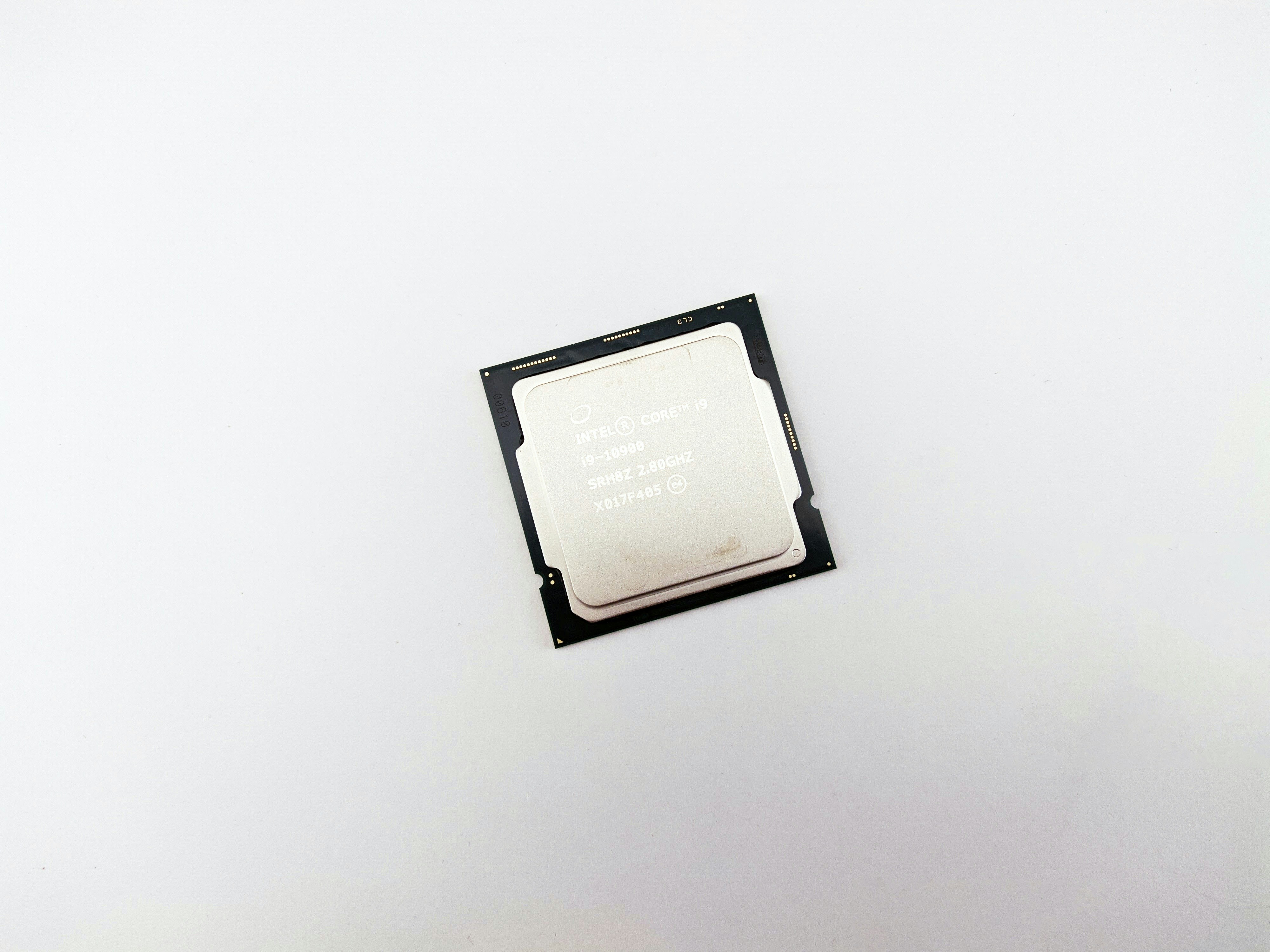
The central processing unit (CPU), often referred to as the brain of the computer, is a fundamental component of any computing system. It serves as the primary processor responsible for executing instructions and managing operations of both hardware and software components. Essentially, the CPU performs the necessary calculations, processing tasks, and coordinating activities to ensure that all components of a computer function smoothly and effectively.
The CPU can be broadly defined as a collection of circuits and registers that work in tandem to interpret and execute binary code. These instructions are encoded into a language that the CPU can understand, allowing it to perform operations such as arithmetic calculations, logic comparisons, and control functions. The processing unit retrieves information from random access memory (RAM), executes operations based on the fetched instructions, and then stores or forwards results as required.
This critical role makes the CPU an indispensable element in computing systems. Its processing speed, efficiency, and architecture significantly impact a computer’s overall performance. Through advancements in technology, modern CPUs have become increasingly sophisticated, incorporating multiple cores capable of multitasking, which enhances their ability to perform parallel processing tasks. Furthermore, developments in semiconductor technology have enabled CPUs to operate with greater power efficiency while also delivering higher clock speeds.
In summary, the central processing unit is integral to the operation of a computer system, functioning as its primary processing core. It executes the necessary instructions, driving the performance of both hardware and software. By performing complex calculations and managing operations, the CPU truly earns its designation as the brain of the computer.
History of the CPU
The development of the Central Processing Unit (CPU), often regarded as the brain of a computer, has undergone remarkable changes over the decades. The inception of the CPU can be traced back to the early mechanical computers of the 19th century. Notable figures such as Charles Babbage conceptualized the Analytical Engine, which included rudimentary components resembling those found in modern CPUs, like arithmetic logic units and control units.
With the advent of the 20th century, research shifted towards electronic circuits, leading to the creation of the first electronic CPU: the ENIAC (Electronic Numerical Integrator and Computer), completed in 1945. This monumental achievement signified a pivotal point in computing, employing vacuum tubes to perform calculations much faster than its predecessors. However, the true revolution came with the invention of the transistor in 1947, allowing for smaller, more efficient, and more reliable computing devices.
The introduction of integrated circuits in the early 1960s encapsulated numerous transistors onto a single chip, leading to the first commercially available microprocessors. Intel’s 4004, launched in 1971, featured a 4-bit architecture and set the foundation for the subsequent advancements in processing technology. This microprocessor laid the groundwork for the development of more sophisticated CPUs, including the x86 architecture that has become a standard in personal computers.
The subsequent decades witnessed the continual miniaturization of processors, a trend encapsulated by Moore’s Law, which postulates that the number of transistors on a chip would double approximately every two years. Advancement in semiconductor technology paved the way for multi-core processors, enhancing processing power and efficiency, addressing the increasing demands of modern software and applications.
Through its evolution, the CPU has consistently been at the forefront of technological innovation, shaping the computing landscape and enabling the complex operations necessary in today’s digital age.
Components of a CPU
The Central Processing Unit (CPU), often referred to as the brain of the computer, comprises several key components that work in unison to execute instructions and manage operations. Each component plays a distinct role within the CPU architecture, contributing to its overall functionality and performance.
One of the primary components is the Arithmetic Logic Unit (ALU). The ALU performs all arithmetic and logical operations, processing mathematical calculations such as addition, subtraction, multiplication, and division. Additionally, it facilitates logical operations such as comparison and bitwise manipulation. The efficiency of the ALU significantly influences the processing speed of a CPU, making it a pivotal part of the computer’s performance.
Another critical component is the Control Unit (CU). The CU acts as the supervisor of the CPU, orchestrating the operations within the system. It fetches instructions from the memory, decodes them to understand what actions are required, and then sends appropriate signals to the other components, including the ALU and memory. The Control Unit ensures that the CPU operates cohesively, managing the flow of data and instructions to maintain an orderly sequence of processing operations.
Additionally, cache memory plays an essential role in the overall architecture of the CPU. Cache memory is a small but high-speed storage area that temporarily holds frequently accessed data and instructions. By storing this information closer to the CPU, cache memory reduces the time taken to access data from the main memory, thereby enhancing performance. The effective utilization of cache memory can lead to significant improvements in the speed and efficiency of computing processes.
In summary, the CPU consists of the Arithmetic Logic Unit, Control Unit, and cache memory, each performing critical functions. Together, they create a cohesive and efficient processing unit that forms the backbone of computer operations.
How CPUs Work: Instruction Cycle
The Central Processing Unit (CPU), often referred to as the brain of the computer, executes instructions through a systematic process known as the instruction cycle. This process is essential for performing calculations and operations, encompassing three main stages: fetch, decode, and execute.
The first stage of the instruction cycle is the fetch stage. During this stage, the CPU retrieves an instruction from the memory. The location from which the instruction is fetched is determined by the Program Counter (PC), which tracks the address of the next instruction to be executed. Once the instruction is fetched, it is stored in the Instruction Register (IR) for further processing.
Following the fetch stage is the decode stage, where the fetched instruction is interpreted. In this phase, the control unit of the CPU determines what action is required by breaking the instruction down into its respective components. This includes identifying the operation to be performed and the operands, which are the data upon which the operation will act. For complex instruction sets, the decoding process can involve multiple steps, allowing the CPU to understand even intricate commands.
The final stage is the execute stage, where the actual computation occurs. The CPU uses its arithmetic logic unit (ALU) to perform calculations or logic operations on the decoded instruction. This stage may involve accessing memory again to read or write data, depending on the operation. Once the execution is complete, the result is stored back in the memory or sent to other components, such as input/output devices.
Overall, the instruction cycle is a fundamental aspect of CPU operation, ensuring that instructions are effectively processed in a continuous loop, thereby enabling quick and efficient computing.
Types of CPUs
The central processing unit (CPU) is a critical component of a computer, responsible for executing instructions and processing data. There are several types of CPUs available in the market, each designed to meet specific needs. Among these, single-core and multi-core processors are the primary categories, alongside specialized processors such as graphics processing units (GPUs) and tensor processing units (TPUs).
Single-core CPUs contain one processing unit and can execute one instruction at a time. This type was commonplace in the early days of computing and is still utilized in simple applications and low-power devices where energy efficiency is prioritized over performance. However, as software demands have increased, single-core CPUs have largely been replaced by more advanced models.
Multi-core CPUs, on the other hand, integrate multiple processing units (or cores) within a single chip, allowing them to handle multiple tasks simultaneously. This architecture enhances performance, particularly in multitasking environments. Multi-core processors are available in various configurations, such as dual-core, quad-core, and even higher core counts, making them suitable for applications ranging from everyday computing to high-performance gaming and multimedia processing.
Specialized processors, such as GPUs and TPUs, cater to specific tasks that demand intensive processing power. GPUs are designed for rendering graphics and performing complex calculations, making them ideal for gaming, video editing, and scientific simulations. TPUs are specialized for machine learning tasks, optimizing the performance of neural network computations. By harnessing the unique architectures of these processors, users can achieve significant speed-ups in relevant applications.
In summary, understanding the different types of CPUs, including single-core, multi-core, and specialized processors, allows individuals and organizations to choose the most appropriate processing solution for their specific computing needs, enhancing overall performance and efficiency in various applications.
Factors Affecting CPU Performance
The performance of a Central Processing Unit (CPU) is influenced by several factors, each contributing to the overall efficiency and speed of a computing system. Three primary elements play a significant role in determining CPU performance: clock speed, cache size, and core count.
Clock speed, measured in gigahertz (GHz), represents the number of cycles a CPU can execute in one second. A higher clock speed generally translates to better performance, as the CPU can process more instructions in a given timeframe. However, it is important to note that clock speed alone does not determine overall CPU efficiency. Factors such as thermal dissipation and power consumption also come into play, which can limit a CPU’s ability to sustain high clock speeds under heavy workloads.
Another critical factor is cache size, which refers to the amount of fast memory available within the CPU to temporarily store frequently accessed data and instructions. Larger cache sizes can significantly reduce the time taken to retrieve data from the main memory, leading to faster processing times. CPUs typically have multiple levels of cache, including Level 1 (L1), Level 2 (L2), and Level 3 (L3), each with varying capacities and speeds. The presence of ample cache ensures that the processing unit can operate efficiently, minimizing delays during computations.
Core count also has a substantial effect on CPU performance. Modern CPUs often feature multiple cores, allowing them to handle multiple tasks simultaneously. A CPU with more cores can manage more threads of execution, which is particularly advantageous in multi-threaded applications such as video editing and gaming. However, software optimization also plays a critical role; if an application cannot effectively utilize multiple cores, the performance gains may not be realized fully.
In summary, understanding these influential factors—clock speed, cache size, and core count—provides valuable insight into how they collectively impact CPU performance and, consequently, the holistic performance of a computer system.
The Role of CPUs in Modern Computing
The Central Processing Unit (CPU) serves as a pivotal component in the architecture of modern computing, acting as the primary engine for processing instructions and managing data across various applications. In contemporary environments, the power and efficiency of a CPU directly influence the performance capabilities of computers in diverse sectors, including gaming, data processing, and artificial intelligence (AI).
In the realm of gaming, the effectiveness of CPUs is critical for delivering high-quality graphics and immersive experiences. Modern games require substantial computational power to manage rendering, physics calculations, and AI behavior, all of which are handled effectively by advanced CPU designs. Gamers benefit from multicore processors that allow for parallel processing, enabling smoother gameplay and faster load times, which is particularly essential in competitive online environments.
The role of CPUs extends beyond entertainment into critical areas such as data processing. Modern data centers leverage powerful CPUs to perform complex computations and run analytics on vast datasets. The efficiency of CPUs is vital for tasks involving data mining, machine learning, and big data analytics. High-performance CPU architectures support the scalability and responsiveness needed to handle extensive workloads, thereby enhancing productivity and decision-making processes across enterprises.
Additionally, the evolution of CPUs has had a profound impact on the field of artificial intelligence. Modern CPUs are designed to support AI-based applications that require significant computational power to process algorithms and learn from data. This supports the advancement of technologies such as natural language processing and image recognition, which are increasingly prevalent in various aspects of daily life.
In conclusion, the role of CPUs in modern computing is indispensable. Their impact resonates across numerous fields, driving innovation and shaping the future of technology.
Future Trends in CPU Development
The Central Processing Unit (CPU) serves as the heart of any computing device, executing instructions and processing data. As technology continues to evolve, several emerging trends in CPU development are set to redefine the computing landscape.
One of the most promising advancements is the rise of quantum computing. Unlike traditional binary computing, where information is processed in bits (0s and 1s), quantum computing leverages the principles of quantum mechanics, utilizing qubits that can exist in multiple states simultaneously. This technology holds the potential to tackle complex computations at unprecedented speeds, substantially impacting sectors such as cryptography, materials science, and artificial intelligence. Companies are investing heavily in research and development to harness the advantages of quantum CPUs, with the aim of achieving practical applications in the near future.
In addition to quantum computing, energy efficiency is emerging as a crucial factor in CPU development. As the demand for performance escalates, it has become increasingly important to innovate CPUs that consume less power. Designs that incorporate advanced power management techniques, alongside energy-efficient architectures, can significantly reduce the carbon footprint of data centers and personal devices. The development of CPUs with smaller nanometer technology nodes further facilitates this trend, as it allows for higher performance while lowering energy consumption.
Architectural innovations are also on the horizon, with a focus on heterogeneous computing. This approach combines different types of processors, such as CPUs, Graphics Processing Units (GPUs), and specialized accelerators, into a unified system. By customizing processing resources to optimize specific workloads, heterogeneous architectures can enhance performance and efficiency. The industry expects these advancements to revolutionize computing tasks across various applications, from gaming to scientific computations.
Overall, these trends point towards a future where CPU technology not only enhances processing capabilities but also aligns with sustainable practices. The continued evolution in this field will likely usher in a new era of computing, transforming how we interact with technology on a daily basis.
Conclusion: The Significance of the CPU
The Central Processing Unit (CPU) plays a pivotal role in the functionality of computers, serving as the primary component that executes instructions and processes data. Throughout this blog post, we have explored various aspects of the CPU, including its fundamental architecture, the importance of its clock speed, and its interaction with other hardware components. This exploration underscores the CPU’s integral position not only in current computing environments but also in the evolution of technology.
The significance of the CPU extends beyond mere computational power. As the technology landscape evolves towards more complex systems, such as artificial intelligence and machine learning, the demand for efficient and advanced CPUs continues to rise. Processors equipped with multiple cores and parallel processing capabilities demonstrate how CPUs are adapting to meet the needs of modern applications. Therefore, understanding the CPU allows us to appreciate the intricate designs that drive contemporary computing.
Moreover, with the ongoing developments in semiconductor technologies, the trajectory of CPU evolution hints towards faster, smaller, and more energy-efficient processors. This trend is crucial not only for consumer devices but also for large-scale systems used in industries ranging from telecommunications to aerospace. Consequently, the CPU’s role in shaping future technologies cannot be overstated.
In conclusion, the Central Processing Unit is truly the brain of the computer, fundamentally influencing performance and capabilities. As we continue on the journey of technological advancement, the importance of the CPU will only grow, making it an essential focus for both enthusiasts and professionals in the field.