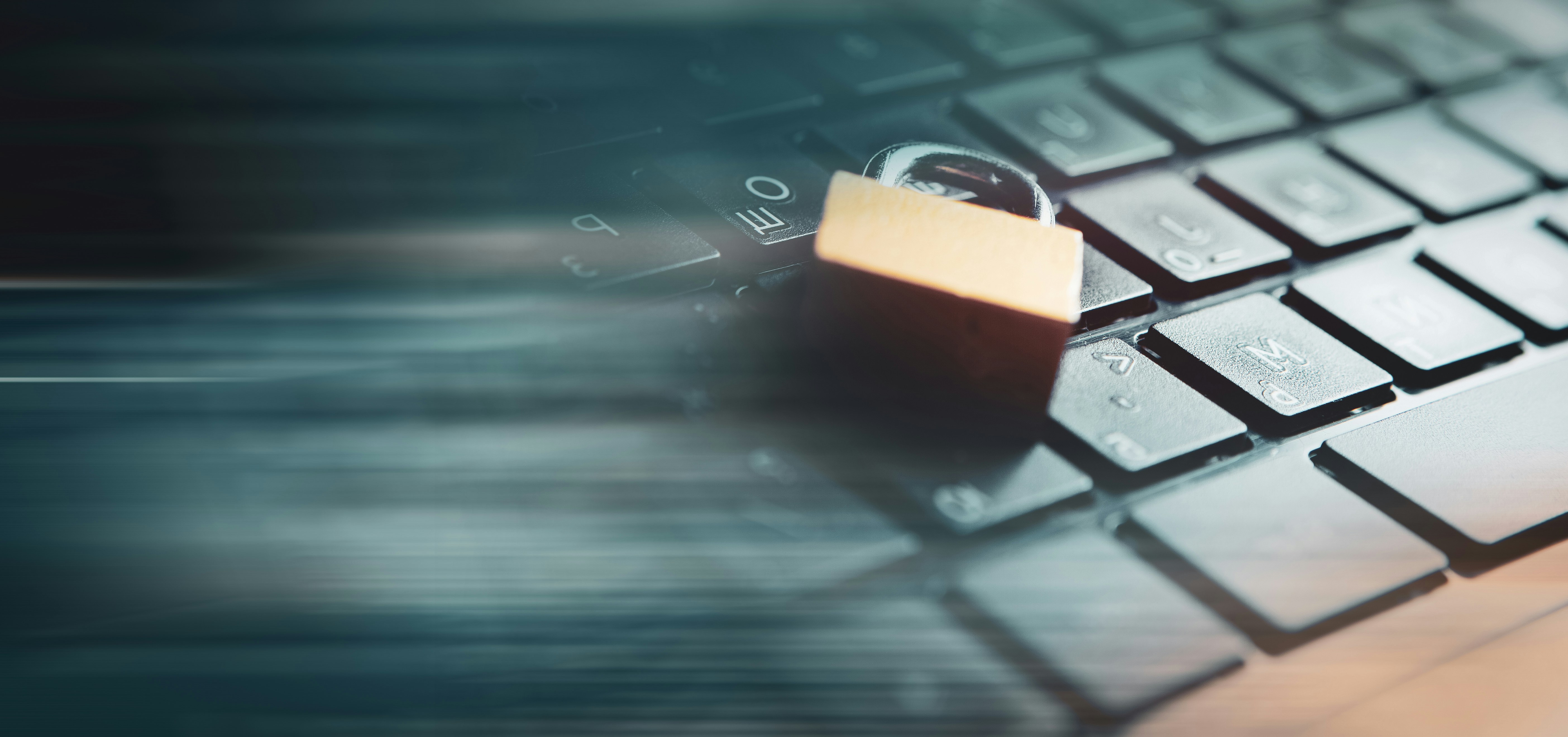
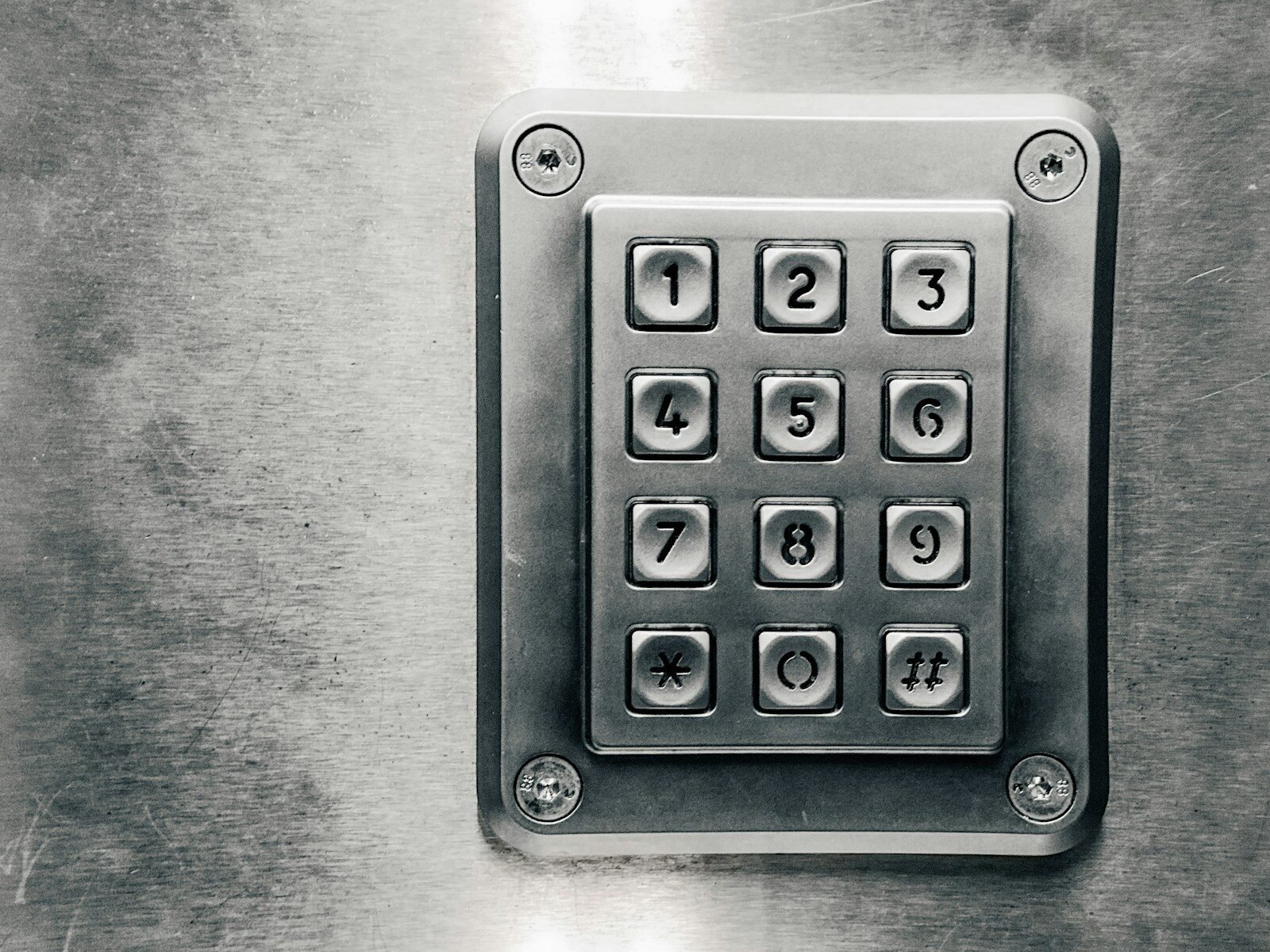
A password is a secret code that protects your account or device. A strong password helps keep other people from entering your email, bank account, social media, school account, work account, or computer.
Weak passwords are easy to guess. Examples include “password,” “123456,” “qwerty,” your name, your birthday, or your phone number. These passwords are dangerous because hackers can guess them quickly.
A strong password should be long and difficult to guess. It should include uppercase letters, lowercase letters, numbers, and symbols. The longer the password, the harder it usually is to break.
For example, “BlueCar12” is better than “car,” but it is still not very strong. A stronger password may look like “Garden!River72Moon.” It is longer and includes different types of characters.
Another good method is using a passphrase. A passphrase is a group of words that is easy for you to remember but hard for others to guess. For example, “MyCoffeeWalksAt7!” is stronger than a short password.
Do not use the same password for every account. If one account is hacked, criminals may try the same password on your other accounts. This is why every important account should have its own password.
Use especially strong passwords for email, banking, work, school, and cloud storage. Your email account is very important because it can be used to reset passwords for other accounts.
Do not share your password with others. Even trusted people may accidentally expose it. If someone needs access to a shared account, use proper sharing settings when possible.
Avoid writing passwords on paper near your computer. If you must write them down, keep them in a safe private place. Do not store passwords in a file named “passwords” on your desktop.
A password manager can help. A password manager is a tool that stores passwords securely. It can create strong passwords and remember them for you. If you use one, protect it with a very strong master password.
Change a password if you think it has been stolen. Warning signs include strange emails sent from your account, login alerts from unknown places, or password reset messages you did not request.
Turn on two-factor authentication when available. This gives extra protection even if someone learns your password.
In conclusion, a strong password is long, unique, and difficult to guess. Use different passwords for different accounts, protect your email carefully, and consider a password manager. A good password is a small key guarding a very important digital door.
Published by: All About Computer Website
Category: Cybersecurity