
What is a 16-Bit Machine?
A 16-bit machine refers to a computer architecture where the internal processing unit operates with data widths of 16 bits. This specification essentially allows the machine to process, transmit, and retrieve 16 bits of data simultaneously. In simple terms, the word size of a microprocessor is the amount of data that it can handle in a single operation, and for 16-bit machines, this value is precisely 16 bits. Understanding this concept is crucial, as it sets the groundwork for evaluating the performance and capabilities of a computer.
The significance of a 16-bit architecture lies in its ability to manage larger chunks of data than its predecessors, such as 8-bit machines. This enhancement allows for the handling of larger numerical values and more precise calculations. A 16-bit machine can address 216 memory locations directly, equating to a theoretical memory limit of 65,536 bytes, or 64 kilobytes. This addressing capability was a significant advancement during the early development of personal computers.
Furthermore, it is essential to differentiate between the internal microprocessor word size and the data bus size when discussing 16-bit machines. The word size pertains to the microprocessor’s ability to handle data in chunks of 16 bits, while the data bus size indicates the width of the bus used for transferring data between the processor and memory. In some cases, a machine can have a 16-bit word size but utilize a wider data bus for improved data throughput. Thus, grasping these nuances provides a clearer picture of how 16-bit machines operate and their potential in computing tasks.
The Importance of Bit Width in Computing
The bit width of a computing machine is a crucial factor that defines its processing capabilities and overall performance. It determines how much data the system can handle simultaneously, influencing various aspects like memory addressing, processing power, and the precision of calculations. Understanding the significance of bit width can help in appreciating the evolution from earlier architectures such as 8-bit and 16-bit to more advanced 32-bit and 64-bit systems.
In a 16-bit machine, for example, data is processed in chunks of 16 bits, allowing for a notably larger range of values than its 8-bit counterpart, which can manage only 256 discrete values. This significant increase means a 16-bit architecture can support more complex computations and handle larger data sets, boosting its functionality in various applications. Moreover, the bit width directly correlates with memory usage; 16-bit systems can address up to 65,536 memory locations, facilitating more extensive and efficient usage of RAM compared to 8-bit systems with their limitations.
On the other hand, when comparing 16-bit architectures to 32-bit systems, we observe further enhancements in data handling. A 32-bit architecture can process data in larger chunks, allowing for more efficient calculations and the ability to address over 4 billion memory locations. This increased bit width translates into improved performance for applications requiring significant processing power, such as graphics rendering and scientific calculations.
Ultimately, the choice of architecture, whether it be 8-bit, 16-bit, or 32-bit, should align with the specific requirements of the tasks it is intended to perform. Each increment in bit width opens doors to enhanced capabilities, facilitating more sophisticated computing solutions.
Microprocessors and 16-Bit Architecture
Microprocessors are the central processing units (CPUs) of computers, serving as the heart of the system, carrying out instructions through arithmetic and logical operations. A significant aspect of microprocessors is their architecture, which can vary between 4-bit, 8-bit, 16-bit, and beyond. This section will focus specifically on 16-bit microprocessors, which have played a crucial role in the evolution of computing technologies.
The term ’16-bit’ refers to the data bus width of the microprocessor, indicating that it can process 16 bits of data in a single cycle. Notable examples of 16-bit microprocessors include the Intel 8086 and the Motorola 68000. These processors were widely used during the 1980s in various personal computers and embedded systems. The 8086, developed by Intel in 1978, is particularly notable as it laid the foundation for the modern x86 architecture that is still prevalent today.
16-bit microprocessors operate using a bus architecture that allows them to manage more data simultaneously compared to their 8-bit predecessors. This advancement enables increased processing power and efficiency. For instance, the 68000 architecture supports various addressing modes, which allow programmers to directly access a broader range of memory without complex calculations. Moreover, 16-bit processors are capable of executing more complex instructions due to their expanded instruction set when compared to 8-bit processors.
What distinguishes 16-bit microprocessors from others, such as 8-bit or 32-bit processors, primarily lies in their data processing capabilities and memory addressing. The ability to handle larger amounts of data and access more than 64 kilobytes of memory is a substantial improvement, making 16-bit architecture a transformative technology that paved the way for more advanced computing systems.
Data Buses in 16-Bit Machines
A data bus serves as a crucial component in the architecture of computers, including 16-bit machines. Fundamentally, a data bus is a transmission pathway that carries data between different components of the computer, such as the processor, memory, and input/output devices. The width of the data bus, which in this case is 16 bits, determines how much data can be transported simultaneously. Thus, a 16-bit data bus can carry two bytes of data per cycle, significantly influencing the overall performance of the machine.
In 16-bit machines, the design of the data bus is integral not only to the speed of data transfer but also to the architecture’s efficiency. As these systems leverage a 16-bit data bus, they are capable of accessing a wider range of data in a single operation compared to 8-bit architectures. This characteristic enhances the performance of 16-bit machines, particularly in systems where large amounts of data must be processed efficiently. Furthermore, the design can lead to advancements in computing power as programmers leverage these capabilities to execute more complex operations rapidly.
Moreover, the implementation of a 16-bit data bus allows for a variety of configurations in relation to the machine’s components. For instance, the bus can impact how memory is addressed and how quickly data can be fetched from or stored to RAM. Proper alignment and management of the data bus, alongside other architectural components, are necessary for minimizing bottlenecks. Such performance optimizations enable 16-bit machines to function efficiently, especially in environments demanding fast processing and substantial data manipulation.
Examples of 16-Bit Machines
The advent of 16-bit machines marked a significant evolution in computing technology during the 1980s. Among the most notable examples of 16-bit systems is the IBM PC/AT, which was based on the formidable Intel 80286 microprocessor. Released in 1984, the IBM PC/AT was a pivotal advancement that brought increased processing power and improved multitasking capabilities compared to its predecessors. The Intel 80286 microprocessor featured a 16-bit architecture, allowing for greater data handling and memory addressing than earlier 8-bit systems. This capability enabled the machine to manage larger RAM configurations and execute more complex applications.
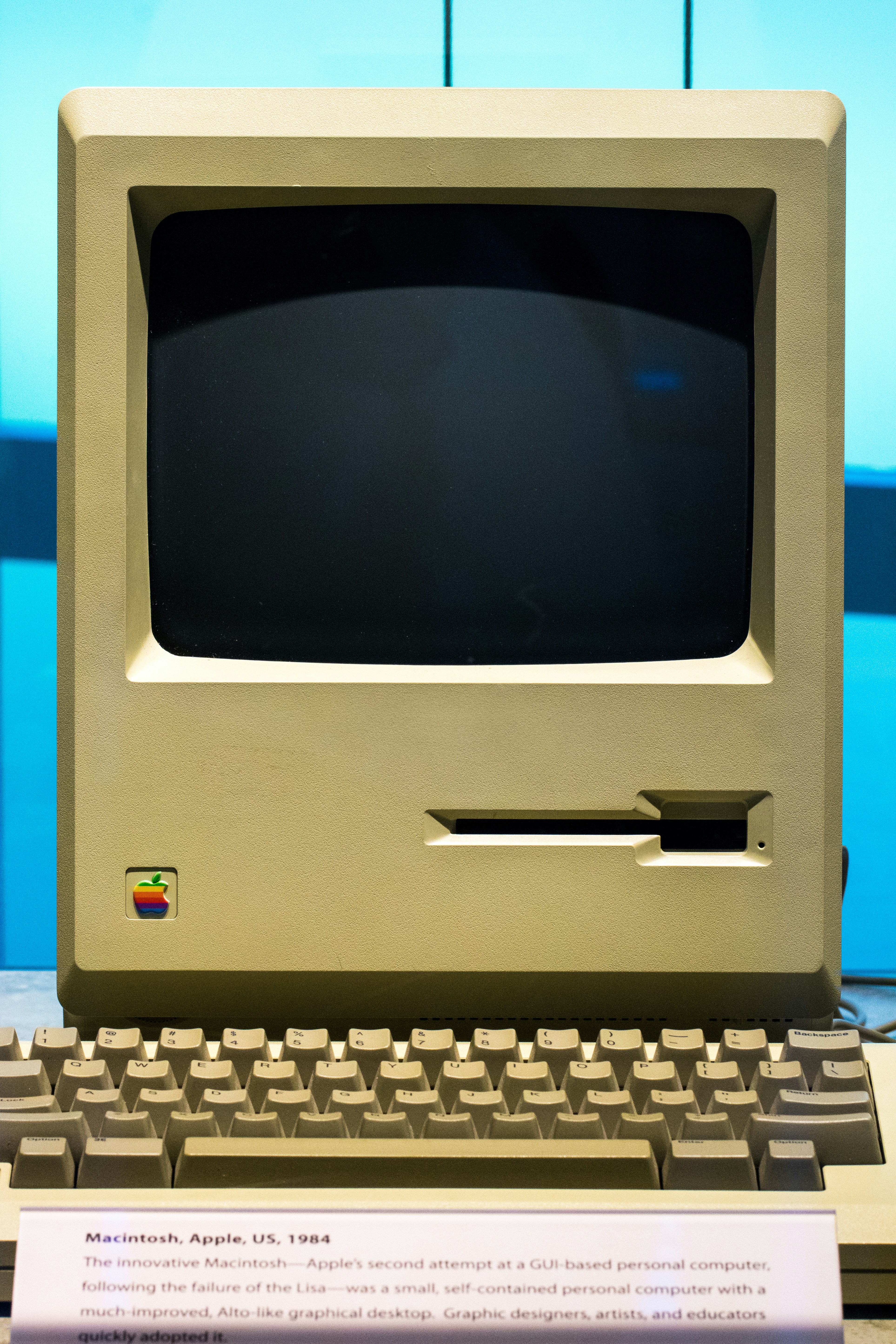
Another prominent example of a 16-bit machine is the Apple Macintosh Plus, introduced in 1986. This model utilized the Motorola 68000 microprocessor, which also operated on a 16-bit data bus. The Macintosh Plus was equipped with innovative features, such as a graphical user interface and advanced font support, setting it apart from other personal computers of the time. The 16-bit architecture of the Macintosh Plus allowed it to process data more effectively, enhancing the overall user experience.
Characteristics that define 16-bit systems include their ability to manipulate 16 bits of data simultaneously. This architecture not only improved processing speeds but also facilitated more efficient instruction sets, providing a broader range of addressing capabilities. Machines like the IBM PC/AT and the Apple Macintosh Plus showcased how 16-bit technology could support more sophisticated software, including advanced operating systems and high-quality graphics applications. As they became more prevalent, 16-bit systems played a crucial role in shaping the future of personal computing and laid the groundwork for subsequent technological advancements.
Legacy of 16-Bit Machines in Computing History
The emergence of 16-bit machines marked a significant shift in computing history, representing a pivotal development in the transition from 8-bit architectures to more advanced systems. Introduced in the late 1970s and peaking through the 1980s, 16-bit computers facilitated a notable increase in processing power. Systems such as the Intel 8086 and the Motorola 68000 became cornerstones in the shift towards more potent computing capabilities, enabling more complex applications and operating systems.
These machines allowed for an increased data range, which expanded software development opportunities, leading to a plethora of new applications that required more resources than their predecessors. The 16-bit architecture made it possible for computers to manage significantly larger amounts of memory, thus enhancing multitasking and performing intensive computational tasks. Such advancements laid the groundwork for the sophisticated computing frameworks that dominate today’s technology landscape.
Furthermore, 16-bit machines played a critical role in the development of personal computing. As hardware became more accessible, these machines opened doors to the mainstream market, enabling more individuals and businesses to utilize computer technology. Major gaming consoles from the era, such as the Sega Genesis and the Super Nintendo, exemplified the power of 16-bit computing, enhancing user experiences with advanced graphics and sound. This led to a lasting influence on multimedia applications and gaming design that still resonates in today’s digital entertainment.
In contemporary times, while the prevalence of 16-bit architectures has diminished with the rise of 32-bit and 64-bit systems, the innovation sparked by these machines continues to have relevance. Legacy systems, emulation techniques, and retro computing communities thrive, showcasing a nostalgic appreciation for the pioneering technology that served as a foundation for modern computing. Thus, the legacy of 16-bit machines remains an integral part of computing history and a reminder of the evolution that has accompanied technological advancements.
Comparative Analysis: 16-Bit vs. 32-Bit Machines
The evolution from 16-bit to 32-bit machines marks a significant advancement in computer architecture, primarily in processing power and memory addressing capabilities. A 16-bit machine can handle data in 16-bit chunks, which greatly influences how it processes information and manages memory. Conversely, a 32-bit system can handle larger data chunks, leading to enhanced performance and efficiency when executing complex tasks.
One of the primary advantages of 32-bit machines is their ability to access a more extensive range of memory. While a 16-bit architecture typically supports a maximum of 64 kilobytes of RAM, a 32-bit machine can address 4 gigabytes of memory. This increased memory capacity allows for more demanding applications and multitasking capabilities, which are essential for modern software development and user experiences. However, it is crucial to recognize that not all applications require such capacity, which explains the continued existence of 16-bit machines.
In specific contexts, 16-bit machines remain relevant due to their simplicity and cost-effectiveness. Legacy systems, especially in industries where specific tasks remain unchanged, often utilize 16-bit architecture to maintain compatibility and reduce integration costs. Additionally, these machines are less demanding in terms of power consumption, making them useful for devices where power efficiency is a priority.
Furthermore, 16-bit systems can still perform adequately for certain applications, such as embedded systems and educational tools, where complex processing is unnecessary. The reliance on 16-bit architecture highlights a parallel existence with modern 32-bit and 64-bit devices, illustrating that despite technological advancement, niche applications can keep older technology in active use.
Applications of 16-Bit Machines
Despite the rapid technological advancements in computing, 16-bit machines continue to find relevance in various applications today. One of the primary areas where these machines are employed is in embedded systems. These systems are designed for specific tasks, and the 16-bit architecture provides the necessary simplicity and efficiency that many applications demand. The lower power consumption and reduced complexity of 16-bit processors make them ideal for embedded systems in household appliances, automotive controls, and industrial automation systems.
Another significant application of 16-bit machines can be observed in the realm of retro gaming. The 16-bit era is often celebrated for its iconic video game consoles, such as the Super Nintendo Entertainment System (SNES) and the Sega Genesis. Today, a resurgence of interest in retro gaming has led to a new wave of 16-bit games and consoles being produced. Many independent developers are creating games that mimic the aesthetic and gameplay of these classic systems, capitalizing on the nostalgia that surrounds 16-bit gaming. This trend illustrates how the simplicity of 16-bit machines can still appeal to modern audiences.
In addition to embedded systems and gaming, 16-bit machines are often utilized in educational environments. They serve as an excellent starting point for individuals learning about computer architecture and programming. The straightforward nature of 16-bit programming can allow students to grasp fundamental concepts without the complexity introduced by modern multi-bit architecture. This gives learners an opportunity to focus on the basics of computing, algorithms, and system design, building a solid foundation for their future studies.
Overall, the applications of 16-bit machines illustrate their ongoing relevance in contemporary society. Their simplicity and efficiency render them advantageous in various fields, ensuring that they will continue to have a place in technology for the foreseeable future.
The Future of 16-Bit Machines: A Nostalgic Perspective
The 16-bit machines, which were once the cornerstone of the computing revolution in the late 1980s and early 1990s, still hold a special place in the hearts of many technology enthusiasts. Today, as we witness a surge in interest around retro computing, the nostalgic value of these systems has become increasingly significant. Many hobbyists and vintage computing advocates see potential for revival, utilizing these machines not just as relics but as platforms for modern creativity and exploration.
The hobbyist community has fostered a rich ecosystem that celebrates 16-bit technology. Forums and clubs dedicated to vintage computing serve as gathering places for individuals passionate about preserving and experiencing the charm of older systems. Through hardware restorations, software preservation efforts, and the development of emulators, enthusiasts promote the continued relevance of 16-bit machines. Furthermore, the retro computing trend has gained traction as people seek simpler, nostalgic gaming experiences, leading to a renewed desire for the authentic interfaces and gameplay that defined an era.
Moreover, the influence of 16-bit technology extends beyond nostalgia. Modern creatives are drawing inspiration from the aesthetics and limitations of these machines, integrating retro elements into current technology trends. This revival manifests in indie game design, where developers mimic the distinctive graphics and sound capabilities of 16-bit systems, creating games that not only pay homage but also resonate with new audiences. As a result, the impact of these venerable machines can be seen in various facets of contemporary digital culture.
In conclusion, the legacy of 16-bit machines remains vibrant, influencing both nostalgic pursuits and innovative trends within the tech community. Their revival among hobbyists serves as a testament to the enduring appeal of vintage computing, allowing both past and present to converge in a remarkable landscape of creativity and inspiration. As technology continues to evolve, the charm of these systems ensures their place in both history and modern computing discourse.
