Introduction to 100BASE-FX
The 100BASE-FX standard is a key component of the Fast Ethernet family, which represents a group of networking technologies that provide data rates of 100 Mbps. Specifically designed for fiber optic communications, 100BASE-FX utilizes two multimode fiber optic cables to facilitate high-speed data transfer over a distance of up to 2 kilometers. This technology has become essential in local area networks (LANs) due to its capabilities of handling increased bandwidth demands while also maintaining a level of reliability and versatility.
One of the significant features of 100BASE-FX is its ability to support full-duplex communication, allowing simultaneous data transmission and reception. This dual direction capability effectively doubles the capacity and efficiency compared to half-duplex systems, making it particularly suitable for dense networking environments. Moreover, the use of optical fibers helps mitigate issues commonly faced in copper cabling, such as electromagnetic interference (EMI) and attenuation over long distances.
From an architectural standpoint, 100BASE-FX systems operate using the IEEE 802.3u standard, which outlines the characteristics of the Fast Ethernet technology. Within this framework, the specification details not only the physical media and signaling methods but also introduces basic performance parameters. The adoption of 100BASE-FX has increasingly gained momentum as organizations seek to improve their data transmission capabilities without incurring the costs often associated with more complex networking solutions.
In contemporary applications, 100BASE-FX is widely implemented in various enterprise environments, including educational institutions, healthcare organizations, and manufacturing industries, where reliable and fast communication is paramount. As a foundational technology in the realm of networking, 100BASE-FX serves as a bridge between traditional Ethernet standards and the higher-speed requirements of modern applications.
Technical Specifications of 100BASE-FX
100BASE-FX is a fiber optic standard utilized in Fast Ethernet networks, primarily characterized by its ability to transmit data at a rate of 100 megabits per second (Mbps). This standard operates over a multimode fiber optic cable, employing a signaling technique known as 4B/5B encoding, which facilitates reliable data transmission by mapping 4-bit data groups into 5-bit symbols. This encoding approach aims to ensure a balanced signal while maintaining an efficient bit rate, contributing to the overall integrity of data as it traverses through the network.
The maximum segment length for 100BASE-FX is 412 meters (1,350 feet) for multimode fiber, making it a suitable choice for environments with moderate distance requirements. This specification allows organizations to link network devices in larger physical spaces while sustaining optimal performance. In terms of the medium access control (MAC) protocols, 100BASE-FX adheres to the Ethernet standard, which employs a Carrier Sense Multiple Access with Collision Detection (CSMA/CD) mechanism. This method enables multiple devices to communicate over a shared medium without excessive interference, enhancing network efficiency.
The frame structure of 100BASE-FX follows the general Ethernet frame format, allowing for a maximum payload of 1,500 bytes within the data field. This structure includes additional preamble and frame check sequence (FCS) fields, which facilitate error detection during data transmission. Through the use of fiber optics, 100BASE-FX also benefits from reduced electromagnetic interference compared to copper-based alternatives, offering improved signal clarity and overall network reliability. These technical specifications position 100BASE-FX as a robust standard for Fiber Optic Local Area Networks (LANs) aiming for efficient data communication.
How 100BASE-FX Differs from Other Ethernet Standards
Understanding the differences between 100BASE-FX and other Ethernet standards, such as 10BASE-T, 100BASE-TX, and Gigabit Ethernet, is essential for determining the most suitable networking solution for specific applications. Each standard exhibits distinct characteristics that cater to varying requirements in terms of speed, medium, and deployment scenarios.
Firstly, 10BASE-T operates at a speed of 10 Mbps and employs twisted pair copper wiring. It was one of the earliest Ethernet standards and primarily suited for small networks with low bandwidth requirements. In contrast, 100BASE-FX supports a speed of 100 Mbps and utilizes fiber optic cables, which confers advantages like increased distance capabilities and immunity to electromagnetic interference, making it more suitable for larger and more complex infrastructures.
100BASE-TX, another popular Ethernet standard, also achieves a speed of 100 Mbps but employs twisted pair cables (Category 5 or higher). While 100BASE-TX is effective for shorter distances found in office environments, 100BASE-FX’s fiber optic medium makes it ideal for scenarios where longer cable runs are necessary, such as between buildings or in expansive campuses.
On the other hand, Gigabit Ethernet (1000BASE-T and 1000BASE-SX) significantly outpaces the 100BASE-FX standard with speeds of up to 1 Gbps. Gigabit Ethernet has seen widespread adoption due to its superior performance for high-bandwidth applications. However, it typically utilizes more complex hardware and infrastructure, which may not always be needed in environments that could efficiently operate with 100BASE-FX.
Ultimately, while 100BASE-FX may not be the fastest option available, its unique advantages make it an excellent choice for specialized applications, particularly in environments requiring longer distances and fiber optic capabilities. Understanding the distinctions between these Ethernet standards allows network designers and IT professionals to make informed decisions that best align with their operational needs.
Advantages of Using 100BASE-FX
The 100BASE-FX standard offers numerous benefits that make it an attractive choice for local area networks (LANs), particularly those that rely on fiber optic technology. One of the primary advantages of 100BASE-FX is its improved bandwidth capabilities. This standard supports data rates of up to 100 megabits per second (Mbps), which is significantly higher than that of traditional Ethernet standards that utilize copper cables. This increased bandwidth allows organizations to handle greater volumes of data traffic effectively, which is crucial in today’s data-intensive operational environments.
Another key benefit of 100BASE-FX is its reduced susceptibility to electromagnetic interference (EMI). Unlike copper cables, which can suffer from various forms of interference due to their conductive nature, fiber optic cables transmit data as light through glass or plastic fibers. This physical property of fiber optics means that 100BASE-FX installations can provide a more stable and reliable connection, particularly in environments that are electrically noisy or where high-frequency signals are prevalent. This reliability is essential for maintaining consistent network performance and reducing downtime.
In addition to bandwidth and interference advantages, the 100BASE-FX standard supports transmission distances of up to 2 kilometers (approximately 1.24 miles) over multimode fiber without the need for repeaters. This capability enables organizations to establish robust LANs across large areas, facilitating connectivity in expansive facilities or campus-like environments. The extended range of fiber optics ensures that end-users can maintain high-speed connections over substantial distances, which is a critical factor for organizations looking to expand their network infrastructure without compromising performance. Overall, the advantages of using 100BASE-FX position it as a preferred choice for modern network implementations, offering superior performance in a variety of operational scenarios.
Common Applications of 100BASE-FX
100BASE-FX is a fiber optic implementation of the Fast Ethernet standard that provides a robust solution for various networking environments. Its utility in multiple scenarios is one of its most significant advantages, making it an essential choice in today’s diverse networking landscape.
One of the primary applications of 100BASE-FX is within enterprise networks. Businesses often require high-speed data transmission to accommodate the growing demand for bandwidth. 100BASE-FX enables reliable data transfer at speeds of 100 Mbps, making it well-suited for connecting workstations to servers, facilitating efficient communication within the organization. The use of fiber optics also mitigates issues of electromagnetic interference, which can be particularly beneficial in densely populated office environments.
Another critical application can be found in academic institutions, where a stable and fast network is imperative for research activities and administrative operations. Universities and colleges use 100BASE-FX to establish resilient campus-wide networks that connect multiple buildings. This connectivity supports high-demand applications, such as online learning platforms and research databases, which require quick access to large amounts of data. The long-distance capabilities of fiber optics enable connections over substantial geographic areas without loss of signal integrity.
Data centers represent yet another significant domain for the deployment of 100BASE-FX technology. These facilities require large bandwidth to manage vast amounts of data and support numerous clients simultaneously. 100BASE-FX provides an efficient solution for internal communications within the data center, ensuring that information flows smoothly between servers and storage devices. Its ability to connect various network components using fiber optics contributes to increased security and reduced latency.
Installation and Configuration of 100BASE-FX Networks
Installing and configuring a 100BASE-FX network involves several important steps that ensure the efficient performance of a Fast Ethernet standard for fiber optic local area networks (LANs). Initially, it is essential to select the appropriate hardware components. This includes network switches or routers that support 100BASE-FX fiber optic connections, as well as compatible network interface cards (NICs) for each device that will connect to the network. These devices must be capable of handling the specific requirements of the 100 Mbps data transmission speeds associated with this standard.
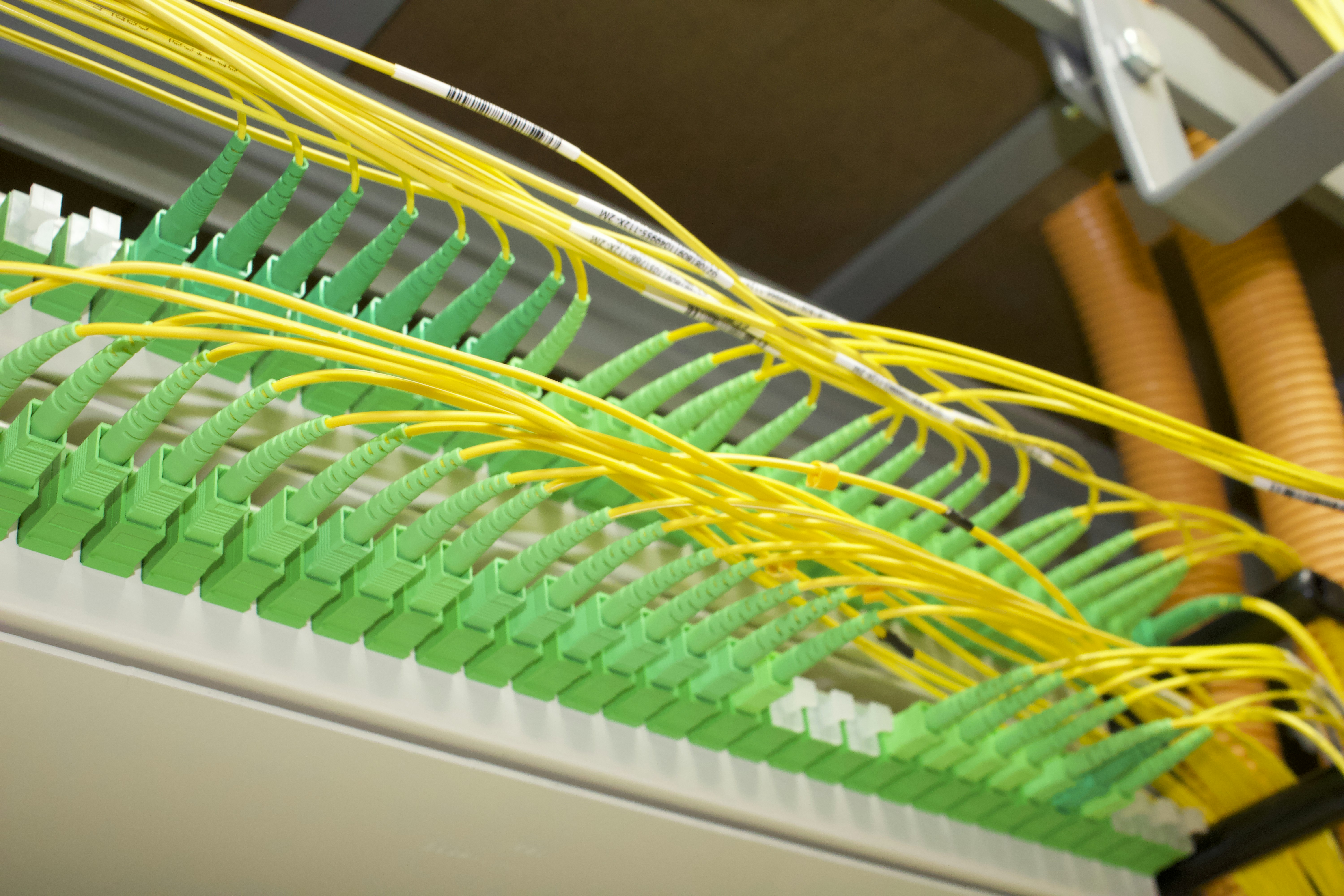
Next, the choice of cables is critical. 100BASE-FX networks utilize multimode fiber optic cables, typically with an SC or ST connector. These cables are designed to facilitate short to medium-distance connections and can effectively transmit data over distances up to 2 kilometers. It is advisable to select high-quality cables that adhere to relevant standards to minimize signal loss and ensure reliable data transmission.
During installation, proper connection of the cables is essential. The fiber optic cables must be clean and correctly aligned when inserting them into the connectors. Tips for maintaining cable integrity include avoiding sharp bends and ensuring that cables are not subjected to excessive tension. Additionally, utilizing protective enclosures for the fiber optic cables can enhance durability and prevent damage.
Once the physical setup of the hardware and connections is complete, configuring the network settings involves ensuring that the IP addressing scheme is properly implemented. Each device connected to the 100BASE-FX network should be assigned a unique IP address complying with the overall network design. Finally, testing the network connection for performance and reliability will help identify any issues before the network goes live, leading to a more efficient deployment and optimal performance in the long run.
Challenges and Limitations of 100BASE-FX
The 100BASE-FX standard, while advantageous in certain applications, presents several challenges and limitations that organizations must consider before implementation. One of the primary concerns is the cost associated with deploying fiber optic cabling and infrastructure. Compared to copper solutions, such as 100BASE-TX, the initial investment for fiber optics can be significantly higher. This cost encompasses not only the cabling itself but also installation and maintenance, which typically require specialized skills and tools.
In addition to cost considerations, compatibility issues with existing equipment pose a challenge for organizations that are contemplating integrating 100BASE-FX into their networks. Many legacy systems and devices may not support fiber optic connections or require additional adapters. This lack of compatibility may necessitate further investment in upgrading or replacing networking equipment, adding to the overall expenditure. For organizations looking to maintain cost-efficiency, this challenge can limit the practicality of implementing 100BASE-FX.
Moreover, while 100BASE-FX supports speeds of 100 Mbps, it pales in comparison to newer standards such as 1000BASE-SX and beyond, which offer significantly faster data transmission rates. As the demand for increase in performance continues to grow due to data-heavy applications and services, 100BASE-FX may not provide the necessary bandwidth, resulting in potential bottlenecks in network performance. This limitation becomes even more pronounced in environments that require high-speed connectivity, such as data centers or enterprise LANs. Therefore, organizations must carefully assess their specific requirements before adopting 100BASE-FX as a solution for their networking needs.
Future of 100BASE-FX and Ethernet Technology
As networking technology continues to advance, the relevance of established standards such as 100BASE-FX is being scrutinized. Today, Ethernet technology has evolved significantly, introducing faster standards like Gigabit Ethernet (1000BASE) and 10 Gigabit Ethernet (10GBASE). These advancements reflect a growing need for higher bandwidth and enhanced network performance. However, 100BASE-FX remains an important part of the networking landscape, particularly in certain niche applications and legacy systems.
The emergence of technologies like Ethernet over Fiber and innovative applications requiring high-speed data transfer have prompted many organizations to upgrade their existing infrastructure. Nonetheless, 100BASE-FX still holds its ground for specific uses, especially within environments where speed is less critical but reliability and cost-effectiveness are paramount. Educational institutions, smaller businesses, and entities utilizing extensive fiber optic installations often still implement this standard due to its sufficiently high speed and robustness.
Additionally, sustainability trends point towards the continued viability of 100BASE-FX as organizations efficiently repurpose existing fiber installations rather than undergoing costly upgrades. The integration of 100BASE-FX into modern network architectures allows for gradual transitions, ensuring operational continuity while accommodating future advancements. Furthermore, the advent of technologies such as Software-Defined Networking (SDN) could facilitate optimization of existing 100BASE-FX setups to meet contemporary demands.
Looking ahead, while the trend leans towards faster Ethernet standards, 100BASE-FX can continue to coexist in the network ecosystem. Its simplicity and proven track record make it a reliable choice for certain applications. Ultimately, the evolution of network technology suggests a future where 100BASE-FX not only remains relevant but is also strategically integrated within broader networking frameworks to support a variety of operational needs.
Conclusion: The Role of 100BASE-FX in Contemporary Networking
In the realm of local area networks (LANs), the 100BASE-FX standard has established itself as a significant technology, particularly in applications where fiber optic cabling is preferred. Dashed with the ability to deliver 100 megabits per second over multimode fiber, 100BASE-FX offers a compelling solution for medium to large enterprises looking to enhance their network infrastructure. The increasing demand for data-intensive applications makes understanding this technology essential for network professionals today.
One of the primary advantages of the 100BASE-FX standard is its resilience and performance in environments where electrical noise is prevalent. The use of fiber optic cables provides immunity to electromagnetic interference, ensuring stable connectivity and reliability. This durability is also important as organizations seek to future-proof their networks against increasing data throughput demands. With the rise of cloud computing and digital communication, technologies like 100BASE-FX will continue to play a crucial role in facilitating efficient data transfer and robust network communication.
Moreover, the transition from copper-based systems to fiber optic connections is not merely a trend but a strategic move towards leveraging the benefits of higher speeds and greater distances. Understanding 100BASE-FX is therefore vital for network architects and engineers who are tasked with designing effective LAN solutions. This knowledge equips professionals with the insights necessary to implement and maintain high-performance networking frameworks that can effectively support future innovations.
In conclusion, as we navigate the complexities of modern networking, a firm grasp of standards like 100BASE-FX is indispensable. It is not only a key element of legacy systems but also a relevant standard that aligns with modern demands for speed, reliability, and scalability in network configurations.
