Introduction to Cloud Computing
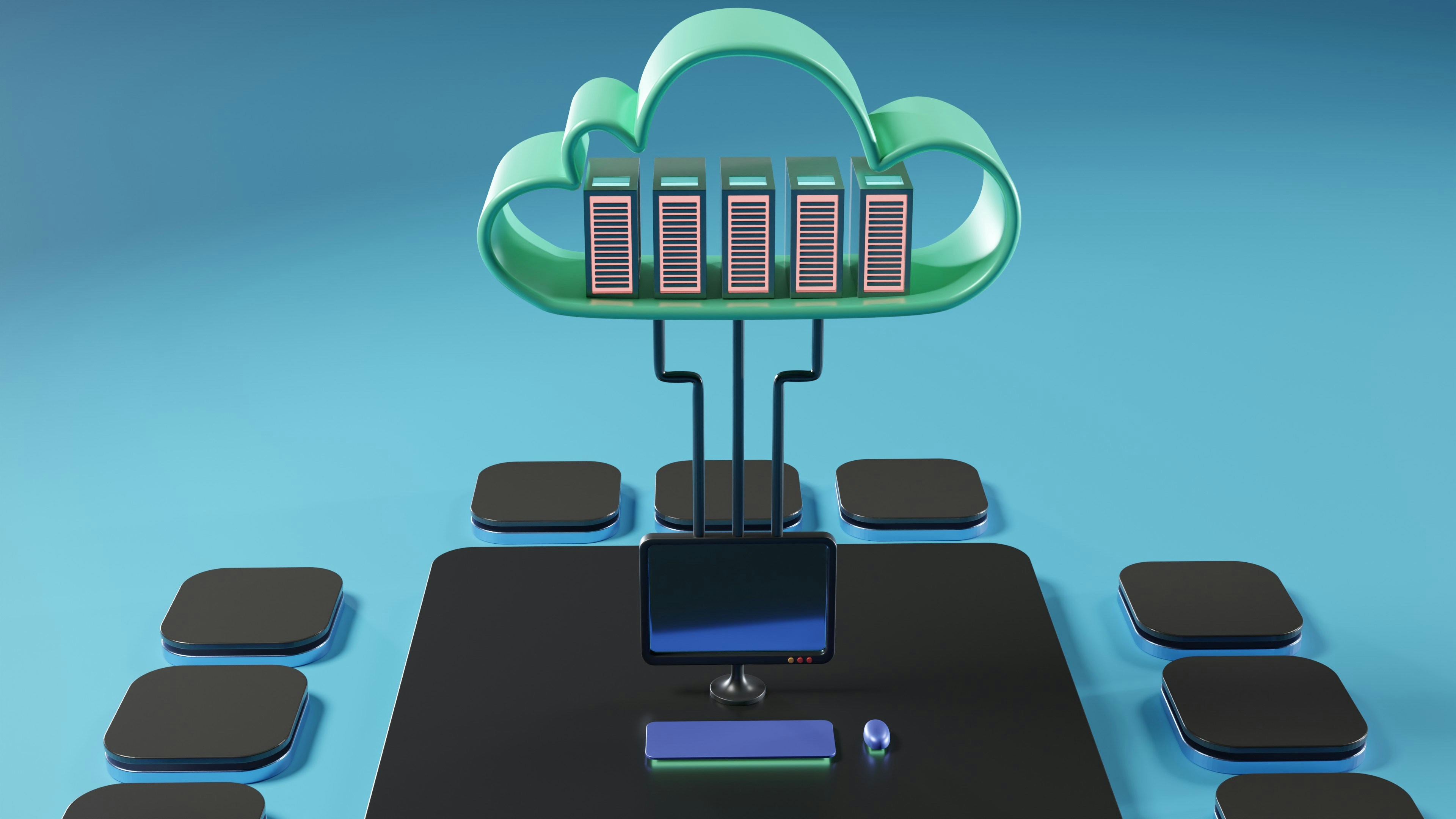
Cloud computing is revolutionizing how individuals and organizations store and process data. At its core, cloud computing refers to the delivery of computing services, including storage, processing power, and networking capabilities, over the internet. This paradigm shift allows users to access and manage their data in a flexible and scalable manner, eliminating the need for traditional on-premises hardware and software solutions. As a result, businesses can operate more efficiently and with greater agility in today’s fast-paced digital landscape.
The significance of cloud computing in modern technology cannot be overstated. It provides businesses with the ability to scale resources according to demand, thereby optimizing costs and enhancing operational efficiency. Cloud storage, for instance, enables organizations to store vast amounts of data securely while allowing easy access for authorized users from anywhere in the world. Additionally, the ability to process large datasets in real-time has become paramount, as organizations seek to gain insights from data analytics to inform their decision-making processes.
Moreover, cloud computing services typically incorporate a variety of models, such as Infrastructure as a Service (IaaS), Platform as a Service (PaaS), and Software as a Service (SaaS). Each of these service models offers unique advantages depending on the specific needs of the users. This diversity allows organizations to select the most suitable cloud solution for their operational requirements, paving the way for innovation and enhanced productivity.
As technology continues to evolve, cloud computing maintains its relevance and importance. Companies are increasingly adopting cloud services to remain competitive, facilitate collaboration, and ensure data security. Understanding cloud storage and processing forms the foundation for leveraging these capabilities, ultimately unlocking the full potential of cloud computing in our daily lives and business operations.
Types of Cloud Computing Services
Cloud computing has revolutionized the way organizations manage their data and applications. It delivers various services over the internet, and understanding the different types of cloud computing services is crucial for businesses looking to leverage these technologies effectively. The three primary categories are Infrastructure as a Service (IaaS), Platform as a Service (PaaS), and Software as a Service (SaaS).
Infrastructure as a Service (IaaS) provides virtualized computing resources over the internet. In this model, cloud service providers deliver and manage physical infrastructure components such as servers, storage, and networking equipment, which businesses can use as needed. This flexibility allows organizations to scale their IT resources up or down without the financial burden of maintaining physical hardware. Organizations can focus on their core business functions while utilizing IaaS for functions like data storage, backup, and disaster recovery. Examples of IaaS providers include Amazon Web Services (AWS), Microsoft Azure, and Google Cloud Platform.
Platform as a Service (PaaS) sits on top of IaaS and provides a platform that enables developers to build, deploy, and manage applications without dealing with the complexity of underlying infrastructure. PaaS includes tools and services such as databases, development frameworks, and application hosting, all designed to streamline the application development process. By using PaaS, developers can collaborate efficiently, accelerate the development lifecycle, and focus on writing code without worrying about server management. Popular PaaS offerings include Heroku, Google App Engine, and Microsoft Azure App Service.
Finally, Software as a Service (SaaS) delivers software applications over the internet on a subscription basis. Users can access these applications via a web browser without the need for installation or maintenance, simplifying the user experience and eliminating the need for extensive IT support. SaaS solutions range from productivity software to customer relationship management systems. Widely recognized examples of SaaS include Salesforce, Google Workspace, and Dropbox. By utilizing these cloud computing services, organizations can enhance productivity and efficiency while reducing costs and resource management constraints.
Advantages of Cloud Computing
Cloud computing offers numerous advantages for organizations looking to store and process data online, fundamentally transforming traditional operations. One of the most compelling benefits is cost savings. By utilizing cloud services, businesses can reduce expenses related to hardware procurement, maintenance, and energy consumption. Instead of investing in expensive physical servers and the associated infrastructure, companies can subscribe to cloud services on a pay-as-you-go basis, allowing them to allocate funds more effectively.
Scalability is another significant advantage of cloud computing. Businesses can easily scale their resources up or down in response to changing demands. For instance, during peak seasons, an e-commerce company may experience a surge in traffic, necessitating additional storage and processing power. Cloud services enable these organizations to adjust their capacity smoothly without the need for physical hardware changes, thus ensuring optimal performance at all times.
Flexibility is further enhanced through the deployment of cloud-based applications. Employees can access data and applications from any location with an internet connection, facilitating remote work and collaboration. For example, teams can collaborate on projects in real-time regardless of geographical barriers, leading to greater innovation and productivity. This level of access not only improves employee satisfaction but also supports a more dynamic workforce.
Moreover, cloud computing improves security measures. Leading cloud service providers implement advanced security protocols, data encryption, and regular updates to protect sensitive information. The shared responsibility model ensures that both the provider and the client are engaged in maintaining data security. Many organizations, such as healthcare providers, have leveraged these enhanced security measures to comply with stringent regulatory standards, safeguarding patient information effectively.
In conclusion, the benefits of cloud computing—cost savings, scalability, flexibility, collaboration improvements, and enhanced security—are reshaping the way organizations manage their data. By harnessing these advantages, businesses can remain competitive and responsive in today’s fast-paced digital landscape.
Cloud Storage Solutions
In the realm of cloud computing, cloud storage solutions have become indispensable for businesses and individuals alike. Leading providers offer diverse features and pricing models that cater to a variety of needs. Among the most popular options are AWS S3, Google Cloud Storage, and Microsoft Azure Blob Storage. Each of these platforms presents unique advantages that make them suitable for different scenarios.
AWS S3 (Amazon Simple Storage Service) is well-known for its scalability and flexibility. It provides an extensive range of storage classes, allowing users to optimize costs based on access frequency and durability needs. Its pay-as-you-go pricing model is particularly appealing for businesses with fluctuating storage requirements. Moreover, AWS S3 integrates seamlessly with other Amazon services, which enhances its appeal for companies already within the AWS ecosystem. Ideal use cases include data lakes, backup solutions, and static website hosting.
On the other hand, Google Cloud Storage is favored for its strong data analytics capabilities and efficient management of unstructured data. With a user-friendly interface and features like automatic redundancy across locations, it ensures data availability and durability. Its pricing structure also offers competitive rates and allows users to pay for the storage they actually use. Google Cloud Storage is often recommended for cloud-native applications, data archiving, and content distribution networks due to its robust performance capabilities.
Lastly, Microsoft Azure Blob Storage is notable for its integration with Microsoft services and products. This solution supports different data types, including binary and text files, which makes it versatile for various applications. With its tiered access pricing, Azure Blob Storage is cost-effective for businesses that require different access levels depending on their specific use cases. It is ideal for scenarios such as big data analytics, media services, and backup solutions.
Choosing the right cloud storage solution requires careful consideration of features, pricing, and specific use scenarios. By understanding the strengths of each option, users can make informed decisions that align with their operational needs and budget.
Data Processing in the Cloud
Cloud computing has revolutionized the way businesses approach data processing, offering scalable and efficient frameworks that can handle vast amounts of data with ease. Traditional methods often involve on-premise servers, which can be costly and time-consuming to maintain. Cloud instances can, however, be launched on-demand, providing users the flexibility to scale resources based on current needs. This adaptability plays a crucial role in efficiently managing data processing workloads.
One notable cloud-based data processing framework is Google BigQuery, which is designed for large-scale data analysis. It utilizes a serverless architecture, allowing users to run SQL queries on massive datasets with minimal latency. BigQuery’s architecture automatically handles the underlying infrastructure, meaning that users can focus more on analysis rather than database management. This capability accelerates the analytical process, offering insights within minutes instead of hours or days.
Another powerful tool for data processing in the cloud is Apache Spark. Spark is known for its speed and versatility, allowing for both batch and real-time data processing. By leveraging in-memory computing, Apache Spark significantly reduces the data processing times compared to traditional methodologies. It can be deployed across various cloud services such as Amazon Web Services and Microsoft Azure, enhancing its compatibility with existing IT environments.
Additionally, AWS Lambda introduces event-driven architecture, enabling users to execute code in response to events without provisioning or managing servers. This serverless approach not only reduces operational costs but also streamlines workflows, allowing businesses to improve their data processing agility. By integrating these sophisticated cloud-based data processing frameworks, organizations can unlock greater analytical capabilities, ultimately leading to improved decision-making processes.
Security and Compliance in the Cloud
As organizations leverage cloud computing for storing and processing data online, addressing security and compliance becomes paramount. The cloud environment presents unique challenges that necessitate robust security measures to protect sensitive information. One of the foundational elements of cloud security is data encryption. By employing strong encryption protocols for data at rest and in transit, organizations can mitigate the risks associated with unauthorized access. Encryption transforms data into a format that is unreadable without the appropriate decryption key, ensuring that even if data breaches occur, the information remains protected.
In addition to encryption, access control is critical for maintaining security within cloud services. Organizations must implement stringent access control mechanisms to ascertain that only authorized personnel have access to sensitive information. This can be achieved through role-based access controls (RBAC), which allow administrators to assign permissions based on an individual’s role within the organization. Multi-factor authentication (MFA) can further enhance this mechanism by requiring additional verification steps, thus providing an extra layer of protection against unauthorized access.
Compliance with regulatory standards is another significant aspect of cloud security. Various industries are governed by regulations that dictate how data should be managed and protected. For example, organizations within the healthcare sector must comply with the Health Insurance Portability and Accountability Act (HIPAA), while those in finance must adhere to the Payment Card Industry Data Security Standard (PCI DSS). Ensuring compliance with these regulations necessitates that organizations assess their cloud service providers thoroughly. Providers should demonstrate a clear understanding and capability to maintain compliance, thereby reducing the risk of non-compliance penalties.
To effectively secure data in the cloud, organizations must take a proactive approach by integrating encryption, access controls, and aligning with regulatory frameworks. This multi-faceted strategy not only protects sensitive information but also fosters a culture of security and compliance within the cloud environment.
Challenges of Cloud Computing
Despite the numerous benefits associated with cloud computing, there are several challenges that organizations must navigate to leverage its potential effectively. One of the primary concerns is the issue of downtime. Although cloud service providers have made significant strides in ensuring uptime, disruptions can occur. Downtime can originate from a variety of sources, including server malfunctions, natural disasters, or maintenance activities. Such interruptions can significantly impact business operations and lead to lost revenue, making it crucial for organizations to assess the reliability of their chosen cloud provider before making a commitment.
Another major challenge is the risk of data breaches. In storing sensitive information on cloud-based systems, organizations often become targets for cybercriminals. While cloud providers implement robust security measures, the shared nature of cloud environments can still make data vulnerable. Adopting stringent security protocols and ensuring compliance with relevant regulations, such as GDPR or HIPAA, is essential for minimizing these risks. Organizations must conduct thorough due diligence when selecting cloud services, evaluating the provider’s security history and protocols for data protection.
Vendor lock-in is another issue that organizations face when using cloud computing services. This occurs when a business becomes dependent on a specific vendor’s tools and services, making it difficult to migrate data or applications to another platform without incurring significant costs or operational disruptions. To mitigate this risk, organizations should prioritize flexibility in their cloud strategies, seeking solutions that facilitate interoperability and allow for easier migration between different cloud environments. By understanding these challenges, businesses can develop comprehensive cloud strategies that enhance their data management while effectively mitigating potential pitfalls.
Future Trends in Cloud Computing
The landscape of cloud computing is evolving rapidly, characterized by several emerging trends that are set to redefine how organizations store and process data online. One significant trend is the rise of edge computing, which addresses the need for faster processing and reduced latency by bringing computational resources closer to the data source. As more devices become interconnected within the Internet of Things (IoT), the demand for edge computing solutions will grow, allowing organizations to analyze data in real-time and make more informed decisions without relying solely on centralized cloud resources.
Additionally, advancements in artificial intelligence (AI) and machine learning are transforming cloud computing capabilities. AI technologies enable better data analytics, predictive maintenance, and automated workflows. As these technologies are integrated with cloud services, businesses can offer more tailored solutions, improve their operational efficiency, and gain deeper insights into customer behavior. The synergy between AI, machine learning, and cloud computing is likely to foster innovation and drive growth across various industries.
Another notable trend is the increasing importance of multi-cloud strategies. Organizations are beginning to recognize that a single-cloud approach may not always meet their diverse needs. By adopting multi-cloud environments, businesses can leverage the strengths of multiple cloud service providers, enhancing flexibility, improving redundancy, and optimizing costs. A multi-cloud strategy allows organizations to avoid vendor lock-in and provides greater control over their data and applications. This trend signifies a shift towards a more hybrid cloud approach, offering the scalability and resilience needed to support modern business operations.
In conclusion, as we look to the future, the trends in cloud computing will shape how businesses manage their data and leverage technology for growth and innovation. By embracing developments such as edge computing, AI and machine learning integration, and multi-cloud strategies, organizations can position themselves to thrive in an increasingly digital world.
Conclusion: Embracing the Cloud
In today’s rapidly evolving digital landscape, the significance of cloud computing cannot be overstated. This transformative technology has fundamentally changed the way businesses and individuals manage and process data. By leveraging the vast capabilities of cloud solutions, organizations can enhance operational efficiency, reduce costs, and foster innovation, making it an indispensable tool in the modern world.
The key benefits of cloud computing are numerous. First and foremost, it offers unparalleled flexibility, enabling businesses to scale their operations seamlessly. With the ability to access and store data online, organizations can respond to changing demands quickly, ensuring they remain competitive. Moreover, cloud storage solutions minimize the need for extensive on-premises infrastructure, reducing capital expenditures and allowing for more strategic resource allocation.
Additionally, cloud computing facilitates collaboration by providing easy access to shared resources, regardless of geographic location. This aspect is particularly vital in today’s increasingly remote work environment, where teams must work together efficiently despite being miles apart. The security measures available through cloud service providers further reinforce the trust that businesses can place in cloud solutions. With advanced encryption and compliance certifications, data stored in the cloud is generally secure from potential threats.
As we have explored throughout this discussion, embracing cloud computing is not just a trend but a strategic imperative for those seeking to thrive in the digital age. Organizations that invest in this technology will not only streamline their operations but also unlock new pathways for innovation. As such, it is essential for both businesses and individuals to explore the available cloud options and find solutions that align with their specific needs. As we move forward, the cloud will undoubtedly continue to play a crucial role in shaping our increasingly connected world.