Introduction to Servers
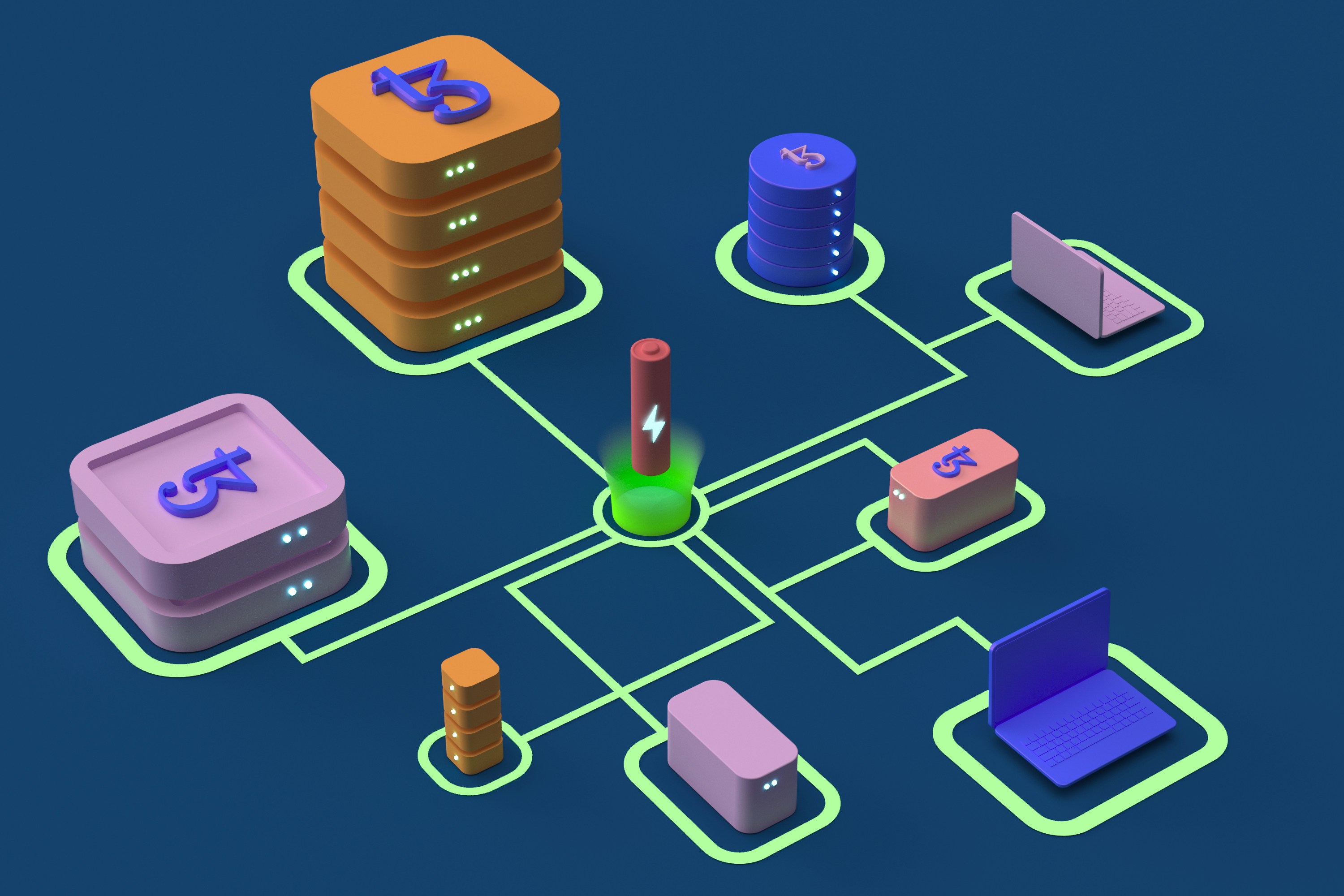
A server can be defined as a specialized hardware or software system that provides services, resources, or data to other computers, known as clients, over a network. In a computing context, servers play a vital role by managing network resources, facilitating communication, and hosting applications. They operate on a client-server architecture, where the server responds to requests initiated by the clients, thereby creating an interactive and efficient computing environment.
One of the primary functions of a server is to store and manage data so that it can be accessed and manipulated by various devices connected to the same network. This centralization of resources simplifies administration, enhances security, and optimizes data retrieval. For instance, a file server allows multiple users to store, access, and share files in a common location, whereas an application server provides access to software applications over a network, ensuring that users can utilize critical applications without needing to install them locally.
Servers come in various forms, each serving specific functions tailored to organizational needs. Some common types include web servers, which deliver web pages to users; mail servers, responsible for sending and receiving emails; and database servers, which store and manage databases. Moreover, servers can be dedicated or shared. A dedicated server hosts only one client, offering exclusive access and improved performance, while a shared server hosts multiple clients, balancing resources among them.
In essence, servers act as the backbone of a network, providing essential services that enable both individuals and organizations to perform tasks seamlessly. Understanding the functionality and significance of servers is crucial for anyone looking to comprehend modern computing environments and the infrastructure that supports them.
Types of Servers
Servers are an essential component of modern computing, serving various functions that facilitate the seamless operation of networks. There are several distinct types of servers, each designed to perform specific roles within the infrastructure. The most common types include web servers, application servers, database servers, and file servers.
A web server is primarily responsible for hosting websites and serving web pages to users over the internet. It processes incoming requests from clients, typically browsers, and responds by delivering the requested content. Common technologies used for web servers include Apache, Nginx, and Microsoft Internet Information Services (IIS). Web servers also support protocols like HTTP and HTTPS, ensuring secure data transmission.
Application servers, on the other hand, are designed to host and run specific applications. They serve as a middle layer between the database and client devices, managing business logic and providing necessary resources for application execution. Notable technologies supporting application servers include JBoss, IBM WebSphere, and Oracle WebLogic. These servers play a crucial role in enterprise environments where complex applications require reliable processing and scalability.
Database servers are another vital type, dedicated to storing, managing, and retrieving data in a structured manner. They utilize management systems such as MySQL, PostgreSQL, and Oracle Database to handle queries and transactions efficiently. These servers are essential for applications that rely on robust data storage and retrieval capabilities, making them indispensable in various industries.
Lastly, file servers are responsible for managing and storing files within a network. They allow multiple users to access shared resources, ensuring that files are easily manageable and secure. Common operating systems for file servers include Windows Server and Linux distributions. Businesses often implement file servers to enhance collaboration and streamline access to essential documents.
In conclusion, understanding the different types of servers and their purposes is critical for any organization aiming to optimize its network resources and enhance operational efficiency. Each server type is specialized for specific tasks and plays an integral role in the overall functionality of network systems.
How Servers Deliver Resources
Servers are pivotal in the architecture of network resources, serving as dedicated systems that manage, store, and distribute data and applications to client devices. The primary framework governing how servers operate is the client-server architecture, which delineates the roles of clients—devices or applications requesting resources—and servers, which respond to these requests efficiently. This model is foundational in understanding how resources are delivered over networks.
At the heart of this interaction is the request-response model, where the client initiates a communication by sending a request to the server, which processes the request and returns the appropriate response. This exchange is typically mediated by a set of protocols—which are structured guidelines determining how data is communicated across a network. Well-known protocols, such as HTTP (Hypertext Transfer Protocol) for web services, exemplify how clients and servers interact. When a user types a web address into a browser, for instance, the browser (client) sends an HTTP request to the web server, which then processes the request and responds with the requested web page.
Furthermore, the efficiency of resource delivery is significantly influenced by data transfer protocols such as FTP (File Transfer Protocol) and TCP/IP (Transmission Control Protocol/Internet Protocol). These protocols ensure reliable data transfer, breaking down large data sets into manageable packets, allowing for efficient transmission and error-checking. This modular approach to data communication reinforces the reliability of resource delivery over networks, thus ensuring seamless access for users. Overall, the synergistic operation of client-server architecture and robust data transfer protocols plays a crucial role in the effective sharing and access of information across networked systems.
The Role of Server Hardware
Server hardware forms the foundation upon which robust network resources operate. Understanding the critical components that make up server hardware is essential for optimizing performance and ensuring efficient resource management. At the heart of every server lie the processors. The central processing unit (CPU) is responsible for executing instructions and managing tasks. High-performance servers often utilize multi-core processors, which enhance the ability to handle simultaneous requests, thus improving overall throughput.
Equally important is the memory, or RAM, which temporarily stores data that the CPU needs to access quickly. Servers usually require more RAM compared to standard computers to efficiently process and serve multiple client requests without latency. The capacity and speed of RAM significantly impact a server’s ability to perform under heavy loads, especially in environments where concurrency and quick data retrieval are crucial.
Storage solutions are another vital aspect of server hardware. Depending on the nature of the applications being run, servers may employ a combination of hard disk drives (HDD) and solid-state drives (SSD). SSDs are increasingly favored in modern server setups due to their faster read/write speeds and reliability, thus allowing quicker data access, which enhances the responsiveness of applications.
Lastly, networking components such as network interface cards (NICs) play a pivotal role in a server’s ability to communicate with other devices on the network. High-quality NICs ensure efficient data transfer and network stability, accommodating the demands of various connected devices. The selection of appropriate server hardware—processors, memory, storage, and networking components—determines the server’s capacity to handle workloads effectively, making it a fundamental consideration in the design and deployment of network resources.
Virtualization and Cloud Computing
Virtualization and cloud computing are two interconnected concepts that have revolutionized the management and deployment of network resources. At the core of virtualization lies the idea of creating multiple virtual servers on a single physical server. This process, known as server virtualization, employs hypervisors to effectively allocate system resources, allowing organizations to optimize hardware usage and improve efficiency. By enabling the creation of multiple isolated environments, virtualization facilitates the running of various operating systems and applications without the need for distinct physical machines.
Cloud computing takes virtualization a step further, offering a flexible solution to resource allocation through the pooling of computing resources. In a cloud environment, virtual servers can be dynamically provisioned or de-provisioned to meet fluctuating demands, ensuring that resources are utilized effectively. This approach not only enhances operational efficiency but also contributes to significant cost savings. Organizations can mitigate the expenses associated with maintaining physical hardware and can instead invest in a scalable and adaptable solution that aligns with their business needs.
The benefits of employing virtualization and cloud computing are numerous. Scalability is a key advantage, as organizations can easily scale their infrastructure up or down. This elasticity allows businesses to respond swiftly to changing market conditions or emerging demands. Furthermore, resource pooling enhances resource utilization, reducing waste and enabling optimal performance. Flexibility in resource allocation is another noteworthy benefit, as administrations can manage workloads effectively across different environments. Overall, virtualization and cloud computing empower organizations to improve their IT infrastructure’s agility and performance, positioning them for success in today’s rapidly evolving digital landscape.
Server Security Essentials
In today’s interconnected world, securing servers is paramount to maintaining the integrity and confidentiality of network resources. As servers serve as the backbone of data storage and processing in organizations, implementing robust security measures becomes essential to mitigate various threats and vulnerabilities. One of the foundational elements of server security is the utilization of firewalls. Firewalls act as a barrier between trusted internal networks and untrusted external ones, monitoring incoming and outgoing traffic based on predetermined security rules. Properly configuring firewalls can significantly reduce the risk of unauthorized access and cyberattacks.
In addition to firewalls, encryption plays a vital role in safeguarding sensitive data stored on servers. By encrypting data, organizations ensure that even if unauthorized individuals gain access to their servers, the information remains unreadable without the appropriate decryption keys. This practice is particularly crucial for protecting sensitive customer information and intellectual property. Moreover, employing encryption protocols for data in transit further secures communication channels, preventing interception by malicious entities.
Access controls are another critical component of server security. Implementing strict access controls limits who can interact with server resources, ensuring that only authorized personnel can access sensitive information. This can be achieved through authentication mechanisms, such as passwords, biometric scans, and multi-factor authentication. Regularly reviewing and updating access permissions is also necessary to account for personnel changes and ensure that access rights align with current roles and responsibilities.
Finally, maintaining server security requires consistent vigilance through regular updates and patches. Software vulnerabilities can be exploited by attackers, making it imperative for organizations to apply updates promptly to address any known security weaknesses. By adhering to these best practices—utilizing firewalls, employing encryption, enforcing access controls, and performing regular updates—organizations can significantly enhance their server security posture, ultimately protecting their network resources from emerging threats.
Monitoring and Maintenance of Servers
Effective server monitoring and maintenance are crucial for ensuring the optimal performance of network resources. A robust server management strategy involves utilizing various tools and techniques designed to track system performance, identify potential issues, and implement proactive measures to resolve them. Monitoring tools such as Nagios, PRTG Network Monitor, and SolarWinds can provide valuable insights into server health by continuously assessing metrics such as CPU load, memory usage, disk space, and network traffic. These tools allow administrators to receive alerts on anomalies, ensuring timely responses to performance degradation or outages.
Regular maintenance tasks are equally important in sustaining server performance and reliability. Routine tasks should include updates for both the operating system and installed applications, which help in patching vulnerabilities, enhancing security, and introducing new features. Additionally, system administrators should conduct regular performance reviews to analyze logs and usage patterns, facilitating the identification of bottlenecks within the server infrastructure. Routine disk cleanups and defragmentation can prevent performance issues caused by storage inefficiencies, ensuring seamless operational capacity.
Furthermore, regular backups play a pivotal role in a comprehensive server maintenance strategy. Implementing automated backup solutions helps safeguard critical data against corruption or loss, allowing for swift recovery in the event of a failure. Best practices suggest maintaining multiple backup copies at geographically disparate locations to mitigate risks associated with local disasters. Lastly, a well-structured update schedule minimizes disruptions while maximizing security and performance. These combined efforts of monitoring, maintenance, and regular updates are essential for maintaining the integrity and availability of server resources, ultimately supporting the broader needs of the network.
The Future of Server Technology
As the demand for robust network resources continues to escalate, the future of server technology is increasingly becoming a focal point of development across various sectors. One of the most significant advancements is in hardware capabilities. The transition from traditional servers to more efficient, high-performance computing systems is paving the way for faster data processing and superior energy efficiency. Innovations in processor technology, such as the introduction of ARM-based processors, are set to redefine server architectures, providing alternatives that can outperform conventional x86 systems in specific applications.
Another prominent trend is the rise of edge computing, which is revolutionizing how data is processed and analyzed. Instead of relying solely on centralized data centers, edge computing enables processing closer to the source of data generation, reducing latency and bandwidth usage. This shift is particularly vital for applications that require real-time data analysis, such as the Internet of Things (IoT) devices, autonomous vehicles, and smart cities. By decentralizing computing resources, organizations can enhance responsiveness while optimizing operational costs.
The influence of artificial intelligence (AI) on server operations cannot be overlooked. AI-driven technologies are increasingly integrated into server management, allowing for predictive maintenance, workload optimization, and enhanced security protocols. Through machine learning algorithms, servers can autonomously adapt to varying demands by scaling resources efficiently, thereby improving performance and reducing downtime. As AI continues to advance, it is expected to play a critical role in shaping server functionalities, pushing the boundaries of automation and operational resilience.
Looking ahead, the evolution of server technology will likely encompass sustainability initiatives, focusing on reducing the environmental impact of data centers. Innovations that enable water cooling systems, energy-efficient components, and the use of renewable energy sources are becoming more prominent. As organizations strive to meet stricter regulations and corporate social responsibility goals, the pursuit of greener server solutions will be a key aspect of future developments. Overall, the future of server technology holds exciting possibilities, providing a robust framework for the dynamic requirements of the modern digital landscape.
Conclusion: The Importance of Servers in Modern Computing
In today’s technology landscape, servers play an indispensable role as the backbone of network resources. They are essential components that facilitate communication, storage, and data management across diverse environments. The critical functions served by these systems enable organizations to operate more efficiently while providing users with the necessary access to applications, websites, and data crucial for their success.
Servers are designed to handle requests from multiple clients, ensuring that data retrieval and processing occur seamlessly. This capability is vital for businesses, educational institutions, and healthcare facilities, among others, where real-time access to information is necessary. With advancements in technology, the server landscape has evolved, offering more robust capabilities such as cloud computing solutions and virtual servers that allow organizations to scale their resources effectively. This shift not only enhances performance but also delivers significant cost savings, which can be strategically reinvested into the business.
Furthermore, servers are pivotal in maintaining data integrity and security. They store sensitive information that requires strict security measures to protect against unauthorized access and data breaches. Industries such as finance and healthcare rely heavily on servers to safeguard personal data while ensuring compliance with regulations. The rising importance of data analytics has also prompted organizations to leverage servers to compile and analyze data, providing valuable insights that drive decision-making.
As we continue to navigate a rapidly changing digital landscape, the significance of servers remains paramount. They are not merely machines to store information but fundamental assets that empower communication, bolster productivity, and ensure that organizations keep pace with technology demands. Thus, understanding and investing in server infrastructure is crucial for any entity aiming for long-term success in the digital age.