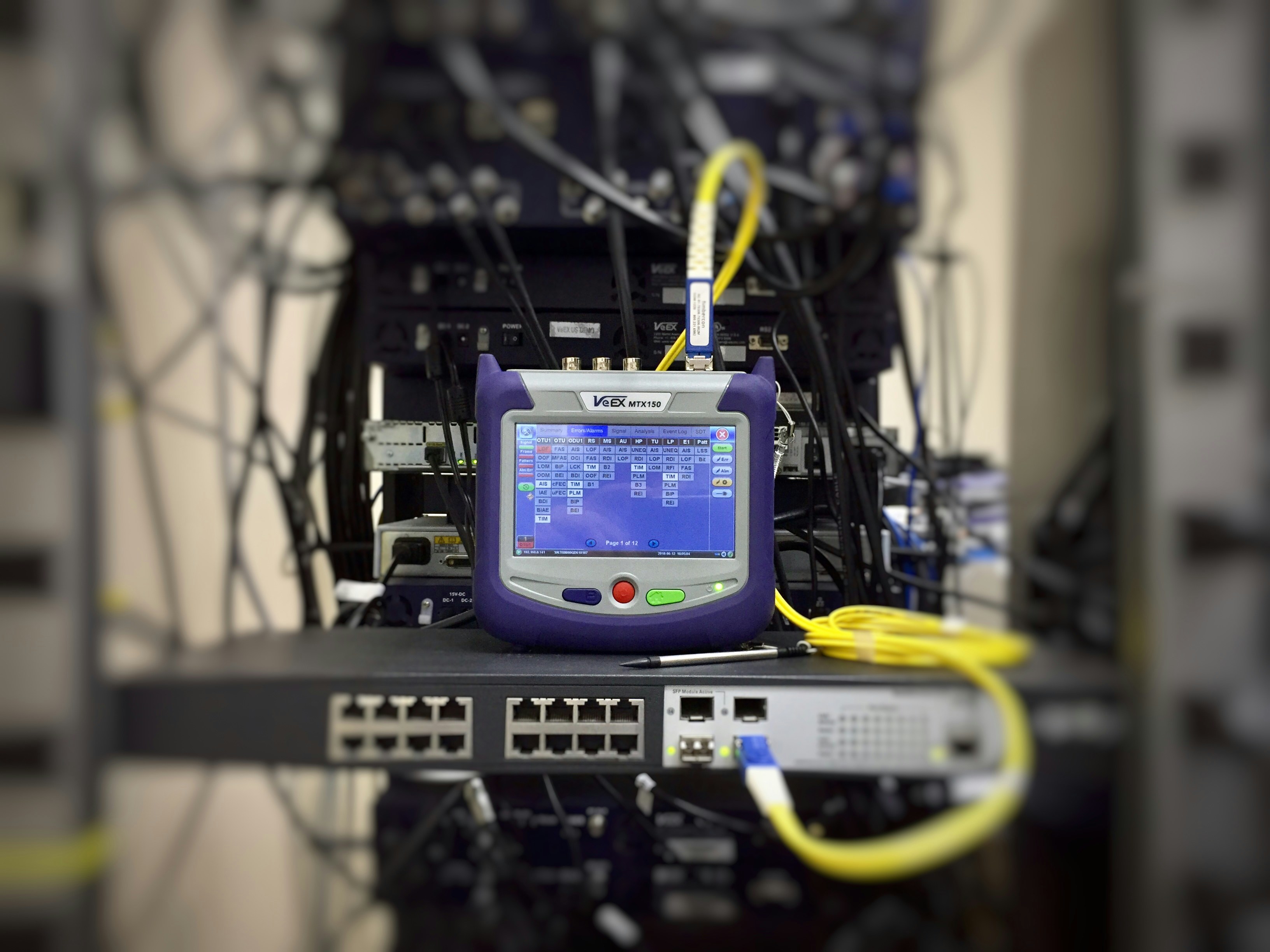
Introduction to Firewalls
Firewalls serve as critical components in the landscape of network security, acting as barriers that protect computer networks from unauthorized access and potential cyber threats. At their core, firewalls can be defined as security systems that monitor and control incoming and outgoing network traffic based on established security rules. Their fundamental purpose is to create a protective shield that ensures the integrity and confidentiality of data transmitted over networks.
Firewalls can be categorized into two primary types: hardware and software. Hardware firewalls are physical devices that are typically installed between the network and the gateway. They provide robust security measures by filtering traffic before it reaches the network. This type of firewall is especially beneficial for protecting entire networks, providing a centralized point for monitoring and controlling traffic flows, and ensuring that only legitimate data packets are allowed access.
On the other hand, software firewalls are programs installed on individual devices, such as computers and servers. They offer a more personalized level of security, allowing users to define specific rules based on their unique security needs. Software firewalls are particularly effective in managing traffic and providing alerts for suspicious activities that may arise during internet usage.
The primary function of firewalls is rooted in their ability to enforce security policies. Organizations can configure firewalls to allow or block specific types of traffic, based on the nature of the communication, the data being transmitted, or the identity of users. This tailored approach not only preserves the integrity of internal network resources but also significantly reduces the risks posed by external threats. As technology continues to evolve, understanding the significance of firewalls in this ever-changing environment becomes increasingly essential for maintaining robust network security.
How Firewalls Operate: The Mechanics of Traffic Control
Firewalls are essential components of network security, primarily functioning as the first line of defense against unauthorized access. They employ various techniques to analyze and regulate network traffic, ensuring that only legitimate packets are allowed to enter or exit the network. Three fundamental mechanisms utilized by firewalls include packet filtering, stateful inspection, and proxy service.
Packet filtering is one of the simplest methods, wherein the firewall examines packets entering or exiting the network against a set of predefined rules. These rules can specify the source and destination IP addresses, protocols, and port numbers. If a packet meets the criteria outlined in the rules, it is permitted through; otherwise, it is denied, effectively controlling access based on defined criteria.
Stateful inspection advances packet filtering by maintaining a record of active connections. This method evaluates packets in the context of established connections, allowing for a more nuanced approach. Each packet is tracked—its state is analyzed, and decisions are made based on the status of the connection. This state information enables the firewall to differentiate between new connections and ongoing sessions, providing an added layer of security and ensuring that only legitimate traffic is allowed.
Proxy services represent another sophisticated method employed by firewalls. In this model, the firewall acts as an intermediary between the user’s device and the external server. When a request is made, the proxy server receives it, processes it, and then forwards it to the intended destination. This technique not only hides users’ IP addresses but also enables the firewall to inspect the content of the transmitted data. By analyzing requests and responses, the proxy can block potentially harmful content before it reaches the user’s network.
Each of these mechanisms plays a crucial role in traffic control, contributing to the overall effectiveness of firewalls in safeguarding networks from various cyber threats.
Types of Firewalls: Choosing the Right One
Firewalls play a crucial role in network security, serving as a barrier between trusted internal networks and untrusted external networks. Understanding the various types of firewalls available is essential for organizations to choose the right protection method for their specific requirements. The primary categories of firewalls include network firewalls, application firewalls, next-generation firewalls (NGFW), and web application firewalls (WAF).
Network firewalls are among the most traditional forms of firewalls. They operate by filtering incoming and outgoing traffic based on predetermined security rules. These firewalls can be hardware-based, software-based, or a combination of both. Their primary advantage is their ability to manage traffic effectively, but they may lack granularity in controlling application-layer protocols.
In contrast, application firewalls focus on filtering traffic related to specific applications. They provide deeper inspection as they can analyze the payload of each packet, allowing them to block malicious content hidden in application data. While this type offers enhanced security, especially against application-layer attacks, it often incurs a higher computational cost, which could lead to performance issues.
Next-generation firewalls (NGFW) combine traditional firewall capabilities with additional security features such as intrusion detection and prevention, deep packet inspection, and the ability to identify and classify applications regardless of port or protocol. These firewalls are effective for organizations that require comprehensive security measures but can be more complex to implement and manage.
Lastly, web application firewalls (WAF) specialize in protecting web applications from various threats like SQL injection, cross-site scripting, and other forms of attacks targeting web applications. They filter, monitor, and analyze HTTP traffic between a web application and the internet. Although WAFs are essential for securing web applications, they may not provide complete protection against network-level threats.
Choosing the right firewall involves weighing the advantages and disadvantages of each type based on the specific security needs of the organization. Factors such as network architecture, application types, and budget considerations should guide the decision-making process to ensure optimal protection.
Firewall Configuration and Rules
Configuring a firewall effectively is crucial for maintaining network security while allowing legitimate traffic to flow seamlessly. A well-configured firewall uses a set of rules that dictates which types of traffic are permitted or denied. The fundamental component of firewalls is their rule syntax, where criteria such as source IP address, destination IP address, ports, and protocols are specified. Understanding this syntax is essential when drafting rules, as it determines how traffic is filtered.
When setting up firewall rules, the priority assigned to each rule plays a significant role. Most firewalls process rules in a top-down approach, meaning that the first rule that matches incoming traffic will be the one that applies. Therefore, it is advisable to place more specific rules above general ones to avoid unintentional blocking or allowing of traffic. For instance, a rule allowing traffic from a trusted IP address should be placed higher than a rule that broadly allows traffic on a particular port.
Common configurations for firewalls may include rules that block incoming traffic from known malicious IPs while allowing outgoing traffic for a range of services. It is also common to implement rules that restrict access to specific applications or data within the network. Such configurations not only enhance security but are also vital for meeting compliance requirements in many organizations.
Incorporating logging capabilities within the firewall configuration is another important aspect. It allows administrators to monitor traffic patterns and identify any potential security threats. Regularly reviewing and updating firewall rules is necessary to adapt to evolving security threats and ensure that the safety measures remain effective without disrupting legitimate user activities. Proper firewall configuration and rule management are, therefore, key elements in building a secure networking environment.
Firewalls in Different Environments: Home vs. Business
Firewalls serve as a critical component in safeguarding network traffic against unauthorized access and cyber threats. Their implementation, however, varies significantly between home and business environments due to differing security needs, scale, and functionality. In a home setting, firewalls are often integrated within routers, providing a straightforward level of protection for personal devices. These firewalls primarily focus on preventing incoming threats while allowing secure access for legitimate traffic, such as web browsing and streaming. Home users typically seek cost-effective solutions, which may include built-in operating system firewalls and simple configurations.
Contrastingly, businesses require a more robust approach to firewalls due to their exposure to higher risks and more complex networks. The ideal business firewall typically operates at multiple layers and incorporates advanced features, such as intrusion prevention systems (IPS), deep packet inspection, and layer 7 filtering. These firewalls help to monitor and control the flow of both incoming and outgoing traffic, and are capable of managing numerous devices across different departments. Companies must consider factors such as scalability, integration with existing security infrastructure, and regulatory compliance when selecting a firewall solution.
Configuring firewalls for business use also demands more rigorous planning and management. Implementation often involves setting up virtual private networks (VPNs) to secure remote access, establishing strict access control policies, and regularly updating firewall rules to combat evolving threats. In addition, businesses should invest in ongoing monitoring to ensure that firewall measures are effective. Ultimately, the choice between firewall solutions in home and business contexts hinges on the specific needs of the network, the potential impact of security breaches, and the resources available for ongoing management and support.
Common Firewall Protocols and Their Importance
In understanding the role of firewalls in network security, it is crucial to familiarize oneself with the common protocols that govern data transmission. Three primary protocols dominate this landscape: TCP (Transmission Control Protocol), UDP (User Datagram Protocol), and ICMP (Internet Control Message Protocol). Each serves distinct functions that are integral to effective communication over the internet.
TCP is a connection-oriented protocol that ensures reliable and ordered delivery of data packets between applications. It establishes a connection before transmitting data, allowing for error-checking and retransmission of lost packets. This reliability is essential for applications where data integrity is paramount, such as web browsing, email communication, and file transfers. Due to its role in ensuring seamless connectivity, TCP plays a vital part in firewall configurations, helping manage how data flows in and out of a network.
Conversely, UDP is a connectionless protocol that allows for high-speed data transmission without the need for prior connection setup. It is widely used in applications requiring real-time communication, such as online gaming, video conferencing, and streaming services. While UDP can transmit data more quickly than TCP due to its lack of error recovery, this speed comes at the expense of reliability. Firewalls must carefully manage UDP traffic to mitigate risks associated with packet loss and security vulnerabilities, particularly in public networks.
ICMP, on the other hand, is primarily used for network diagnostics and error reporting. It plays a crucial role in tools such as ping and traceroute, helping administrators monitor network performance and resolve connectivity issues. Understanding ICMP traffic is vital for firewall management, as it can be exploited for various attacks. By effectively configuring policies for TCP, UDP, and ICMP, network administrators can enhance security while ensuring efficient data transmission, illustrating the importance of comprehensively understanding these protocols in firewall management.
Challenges and Limitations of Firewalls
Firewalls are essential components of network security, acting as barriers between secure internal networks and untrusted external environments. However, they are not infallible and face several challenges that can compromise their effectiveness. One prominent issue is the occurrence of false positives. These instances arise when legitimate traffic is incorrectly flagged as malicious, resulting in unnecessary interruptions and potentially disrupting critical business processes. This challenge necessitates careful tuning and ongoing maintenance of firewall rules to minimize inaccuracies without compromising the security posture.
Furthermore, the limited inspection capabilities of traditional firewalls present another significant limitation. Basic firewalls primarily examine packet headers and enforce rules concerning protocols and ports. This simplistic approach may not adequately detect advanced threats that utilize sophisticated techniques to bypass standard filtering mechanisms. As cybercriminals continue to employ tactics such as encryption and tunneling, traditional firewalls may struggle to provide comprehensive protection against these evolving threats. Consequently, organizations may find themselves relying on additional security solutions to enhance their protective measures.
Lastly, the ever-changing landscape of cyber threats poses a persistent challenge for firewall efficacy. New vulnerabilities and attack vectors emerge regularly, which require organizations to continuously update their defenses. The dynamic nature of these threats underscores the necessity of adopting a multi-layered security strategy rather than solely relying on firewalls. This could include strategies such as intrusion detection systems, endpoint protection, and continuous monitoring practices. By integrating these complementary security measures with firewalls, organizations can create a more robust defense against potential intrusions and minimize the risk posed by evolving cyber threats.
Emerging Trends in Firewall Technology
Firewall technology is continuously evolving, adapting to the dynamic landscape of cybersecurity threats. One significant trend is the integration of artificial intelligence (AI) into firewall systems. AI-driven firewalls leverage machine learning algorithms to analyze vast amounts of data in real-time, enabling them to detect and respond to anomalies far more swiftly than traditional methods. This capability enhances the firewall’s effectiveness against sophisticated cyber threats, helping organizations defend against zero-day exploits and advanced persistent threats (APTs).
Another notable advancement is the shift towards cloud-based firewalls. As organizations increasingly migrate to cloud environments, the need for adaptable security solutions has become paramount. Cloud-based firewalls offer scalability and flexibility, allowing businesses to manage security policies across diverse environments effortlessly. These solutions provide centralized management, enabling security teams to monitor and protect multiple locations from a single platform. This adaptability is crucial in today’s climate, where remote work and hybrid cloud infrastructures are becoming standard.
Furthermore, the adoption of zero-trust security models is gaining traction. This approach redefines security protocols by operating on the principle that no one, whether inside or outside the network, should be trusted by default. Zero-trust firewalls enforce strict identity verification for every user and device attempting to access system resources. By employing this model, organizations can significantly reduce their attack surface and mitigate potential breaches, as every attempt to access data must be authenticated and authorized. This paradigm shift signifies a fundamental transformation in how firewalls function and reinforce network security.
As the digital landscape continues to evolve, understanding these emerging trends in firewall technology is crucial for organizations seeking to bolster their cybersecurity posture. By embracing AI, cloud solutions, and zero-trust principles, businesses can significantly enhance their defenses against the myriad of cyber threats present today.
Best Practices for Firewall Management
Effective firewall management is crucial for maintaining a secure network infrastructure. To ensure optimal protection against unauthorized access and cyber threats, organizations should implement several best practices. Regular updates to firewall software and hardware should be a top priority. Firewalls are continually being updated to counter emerging threats; hence, ensuring that the system is up to date significantly enhances its effectiveness. This includes both firmware and security patches, which can alter how the firewall operates and protect against new vulnerabilities.
Another important practice is monitoring network traffic consistently. By analyzing incoming and outgoing traffic, administrators can identify unusual patterns that may indicate unauthorized activities or potential attacks. Utilizing advanced logging and alerting mechanisms can further bolster security, enabling quicker responses to any detected anomalies. Assessing traffic logs regularly allows administrators to understand normal traffic behaviors and efficiently pinpoint deviations that could signal security threats.
Conducting routine security audits is also a fundamental practice in firewall management. Regular assessments of firewall configurations, rules, and policies help ensure they align with current security standards and organizational requirements. Audits should involve testing the firewall’s effectiveness at preventing unauthorized access and evaluating its response to simulated attacks. This process can reveal weaknesses that may require remediation and adjustments to improve overall security posture.
Additionally, staying informed about emerging cybersecurity threats is vital. Cybersecurity is a rapidly evolving field, and new threats can pose significant risks to even well-secured environments. Awareness of the latest threats and trends enables organizations to adjust their firewall strategies accordingly. Building a culture of security awareness within the organization ensures that all employees understand their roles in maintaining a robust defense.