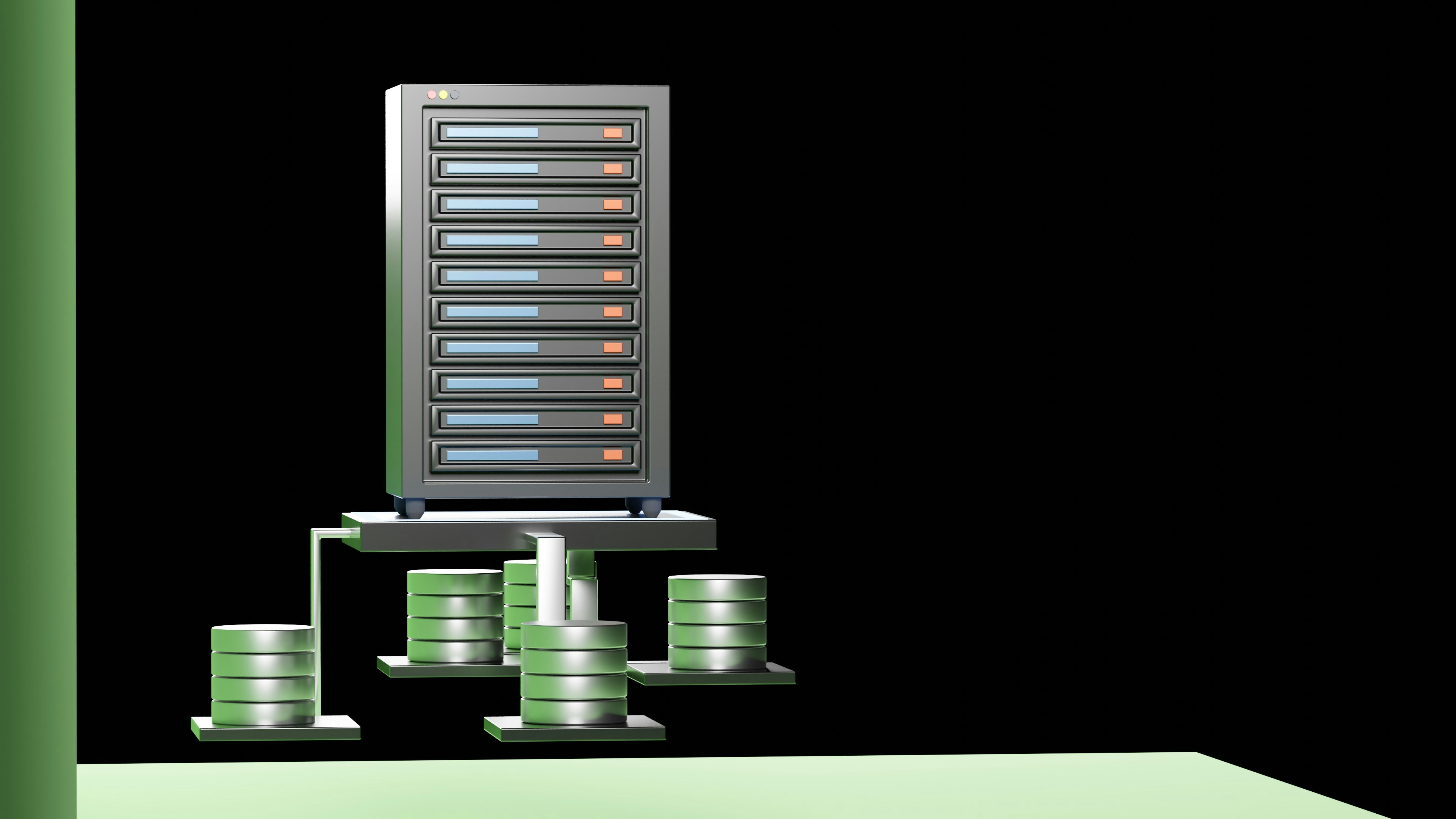
Introduction to Data Storage
Data storage refers to the methods and technologies used to retain digital information for future access and utilization. In today’s rapidly evolving digital landscape, the significance of data storage cannot be overstated. With the exponential growth of data generated by various sources—from personal devices, such as smartphones and laptops, to large-scale enterprise systems—the need for efficient and reliable data storage solutions has become paramount.
The world of data storage encompasses various types of data, each requiring tailored storage solutions. Data can primarily be categorized into structured and unstructured formats. Structured data refers to information that is organized in a predefined manner, often within databases, making it easily searchable and manageable. In contrast, unstructured data includes a variety of formats, such as text files, images, and videos, that do not fit into a standard organizational schema. This prevalent unstructured data poses unique challenges for storage, retrieval, and analysis.
As individuals and organizations continue to create and accumulate vast quantities of both structured and unstructured data, efficient data storage solutions play a critical role in ensuring that this information is accessible and secure. The choice of storage technology—whether it be through local drives, cloud services, or hybrid solutions—depends on various factors, including data type, access frequency, and security requirements.
In recognizing the importance of data storage, it is essential to also understand the implications on data management and utilization across different sectors. In the modern computing environment, effective data storage strategies are foundational to operational efficiency, decision-making processes, and overall productivity. As we delve deeper into the various categories of data storage, we will explore the distinctions between temporary and permanent storage solutions, ultimately enhancing our comprehension of this vital aspect of the digital framework.
Types of Data Storage
In today’s technological landscape, data storage solutions have evolved significantly, catering to varied user needs and preferences. The primary types of data storage can be broadly categorized into four main categories: traditional hard drives, solid-state drives (SSDs), cloud storage, and network-attached storage (NAS).
Traditional hard disk drives (HDDs) are one of the most commonly used data storage options. They utilize magnetic disks to write and read data, making them suitable for applications requiring high storage capacity at a lower cost. HDDs are ideal for consumers and businesses needing ample storage, from photos to extensive databases, but they often fall short in speed and durability compared to newer technologies.
Solid-state drives (SSDs) have gained popularity due to their superior performance and speed. Unlike HDDs, SSDs use flash memory to store data, which allows for faster read and write speeds. This technology is particularly beneficial for tasks that demand quick access to files, such as gaming, video editing, or running applications. Although SSDs are generally pricier than HDDs, they offer increased reliability and lower failure rates, making them a preferred option for high-performance computing.
Cloud storage solutions have transformed how individuals and organizations manage data. This method enables users to store data on remote servers accessed via the internet, providing flexibility and scalability. Cloud storage is particularly advantageous for collaborative work environments, as it allows users to share files easily and access data from multiple devices. However, it can raise concerns regarding security and data ownership.
Lastly, network-attached storage (NAS) provides a centralized storage solution for networked devices. NAS systems are efficient for both home and business environments, enabling multiple users to access and store data over a network seamlessly. They offer redundancy features to protect against data loss while providing customizable storage solutions based on specific usage needs.
Temporary Data Storage: What Is It?
Temporary data storage refers to mechanisms designed for holding data temporarily during computing processes. Unlike permanent storage solutions that retain data for extended periods, temporary storage is transient, focusing on efficiency and performance enhancement while computations are underway. One of the most common forms of temporary storage is Random Access Memory (RAM), which provides fast data access for active applications and processes. Caches, another type of temporary storage, serve as intermediate storage areas designed to speed up data retrieval and reduce latency.
In computing tasks, temporary storage becomes essential when applications require data storage for short durations, often during operations that involve heavy loading, data manipulation, or real-time processing. Instances where temporary data storage plays a crucial role include online gaming, web browsing, and video streaming. For online gaming, RAM allows for quick access to game data, which is essential to maintain fluid graphics and interactive gameplay. In web browsers, cache memory temporarily stores loaded web pages, making the reloading of frequently visited sites faster for users.
Performance optimization is one of the key advantages of utilizing temporary storage. By keeping commonly accessed data readily available in RAM or cache, systems can significantly reduce the time required to retrieve this data from slower permanent storage alternatives, such as hard drives or solid-state drives. In high-performance computing applications, this data storage approach enables faster calculations and enhances overall user experience, demonstrating the critical role of temporary storage in modern computing methodologies.
Permanent Data Storage: Understanding Long-Term Solutions
Permanent data storage solutions play a vital role in ensuring that critical information is preserved over an extended period. These solutions are essential for businesses and individuals who require reliable access to their data, as they facilitate efficient data retrieval and safeguard against loss. Common methods of permanent data storage include hard disk drives (HDDs), solid-state drives (SSDs), DVDs, and cloud storage services.
Hard disk drives (HDDs) are traditional storage devices that utilize magnetic disks to store and retrieve data. Although they are increasingly being supplemented by SSDs, HDDs remain popular due to their large storage capacities and cost-effectiveness. In contrast, solid-state drives (SSDs) utilize flash memory technology, offering faster read and write speeds, reduced power consumption, and increased durability. This makes SSDs an appealing choice for many users, particularly for applications requiring quick data access.
DVDs, while considered a legacy storage method, are still utilized for permanent data storage in specific scenarios, such as archiving important documents and media. Despite their decline in usage, DVDs are an affordable and portable option for long-term data preservation. However, their susceptibility to physical damage and degradation over time needs to be considered when relying on this medium.
Cloud storage services have emerged as a revolutionary solution for permanent data storage. These services offer online storage options through secure servers, allowing users to access their data from any location with internet connectivity. Often incorporating redundancy measures, cloud storage not only ensures durability but also simplifies backup processes. Nevertheless, selecting a trustworthy service provider is crucial to protect sensitive data from breaches.
To effectively manage permanent data storage, adopting best practices is essential. Regularly assessing storage needs, backing up data, and utilizing multiple forms of storage can enhance data integrity and accessibility. Through meticulous planning and implementation of these strategies, users can maximize the reliability and longevity of their permanent data storage solutions.
Comparing Temporary and Permanent Storage
Data storage is a crucial element in the management of information, and it can be categorized into two primary types: temporary and permanent storage. Each of these categories plays a distinct role in data preservation, access speed, and overall utility, which are essential factors for consumers and businesses alike.
Temporary storage, commonly referred to as volatile storage, includes mediums such as Random Access Memory (RAM) and cache memory. These storage types provide rapid access and are particularly effective for tasks requiring quick read and write operations. The advantage of temporary storage is its speed, allowing users to execute processes with minimal delay. However, the downside is that data stored in this medium is lost when power is turned off, posing a risk for information that requires continuity.
In contrast, permanent storage encompasses non-volatile solutions such as hard disk drives (HDDs), solid-state drives (SSDs), and cloud storage. These systems maintain data integrity over extended periods, ensuring that information is not lost due to power interruptions. The longevity of permanent storage serves critical functions for businesses that rely on consistent access to vital records. However, the tradeoff lies in access times; while permanent storage has become faster with advancements in technology, it inherently lags behind that of temporary storage options.
From a data integrity perspective, permanent storage solutions often incorporate redundancy measures, such as RAID configurations, to safeguard against data loss—a notable advantage in environments handling sensitive information. On the other hand, temporary storage solutions may occasionally lead to data integrity issues if not managed properly or if data is reliant on transient processes. Ultimately, the choice between temporary and permanent storage should be dictated by the specific needs of the application, weighing the benefits of speed against the necessity for data longevity and security.
The Importance of Data Backup and Recovery
In today’s digital era, the significance of data backup and recovery cannot be overstated. Organizations and individuals alike must recognize that losing data can lead to severe operational disruptions and financial loss. Therefore, implementing robust backup solutions is essential to safeguard valuable information stored in both temporary and permanent systems.
Data backup refers to creating copies of data that can be restored in case of loss, theft, or corruption. Various techniques are available for data backups, each serving different needs. The most common approaches include full, incremental, and differential backups. Full backups involve a complete copy of all data, providing comprehensive protection but requiring substantial storage. Incremental backups capture only the data changes since the last backup, optimizing storage efficiency but necessitating more complex recovery processes. Differential backups lie somewhere in between, saving changes made since the last full backup, enabling quicker restoration than incremental backups.
Furthermore, the types of backup tools utilized can significantly affect data recovery processes. Cloud-based solutions, such as automated backup services, ensure that data is regularly backed up and accessible from anywhere, while external storage devices offer physical alternatives for backup. Organizations may also opt for on-site and off-site backups to create redundancy, minimizing the risk of data loss. Implementing backup strategies is not merely a protective measure; it is also an ongoing process that requires regular updates and testing to ensure data integrity.
In the event of data loss, having a pre-defined recovery plan becomes invaluable. Organizations should develop and routinely test disaster recovery plans that outline the steps for data restoration, ensuring business continuity. By prioritizing data backup and recovery mechanisms, individuals and organizations can fortify their defenses against potential data loss and enhance overall data security.
Future Trends in Data Storage
The landscape of data storage is continuously evolving, driven by advancements in technology and an increasing demand for efficient storage solutions. One of the most significant trends is the enhancement of storage capacity, with innovations such as multi-layer 3D NAND technology allowing for denser storage options within smaller physical spaces. This development facilitates not only the accumulation of vast amounts of data but also optimizes performance, making it a vital consideration for enterprises that rely on extensive databases and applications.
Moreover, speed is another critical aspect of emerging data storage solutions. Solid-state drives (SSDs) are quickly becoming the standard, surpassing traditional hard disk drives (HDDs) due to their faster access times and greater reliability. With the integration of technologies like NVMe (Non-Volatile Memory Express), the data transfer rates are significantly enhanced, thus catering to the demands of modern applications requiring quick data retrieval and processing.
Artificial intelligence (AI) is also gaining traction in the realm of data storage, bringing forth intelligent storage management systems. These AI-driven solutions can analyze access patterns, automatically optimize storage allocation, and predict future storage needs, thereby reducing operational costs for businesses. These advancements in AI not only improve efficiency but also help streamline the data management process, making it more user-friendly for organizations of all sizes.
However, with the increasing reliance on advanced data storage solutions, challenges related to data security and privacy persist. Organizations must remain vigilant against potential threats, ensuring robust encryption methods and comprehensive security protocols are in place. Addressing these issues will be crucial as the industry progresses, ensuring that the benefits of emerging data storage technologies can be fully realized without compromising the security of sensitive information.
Practical Tips for Choosing the Right Storage Solution
When determining the appropriate data storage solution, several factors come into play that can greatly influence your choice. Understanding your specific needs is crucial for making an informed decision. First, consider the usage scenarios for which you require storage. If your data will be accessed frequently or needs to be processed swiftly, opt for solid-state drives (SSDs) or cloud storage solutions that offer fast retrieval times. Conversely, if you have data that is infrequently accessed or that requires long-term retention, magnetic disks or archival storage options may be more cost-effective.
Your budget is another significant factor in your choice of data storage. Assess how much you are willing to invest in storage solutions and whether you prefer on-premises hardware or cloud services. While cloud storage options often present lower upfront costs, be mindful of ongoing subscription fees that can accumulate over time. Additionally, some businesses may benefit from a hybrid approach, utilizing both cloud and local storage to balance costs and performance effectively.
Additionally, assess the size and type of data you need to store. Large volumes of data, such as high-definition videos or extensive databases, will require a more robust storage solution with ample capacity. It may be necessary to evaluate scalability options, ensuring that your chosen storage can accommodate future growth without significant additional investment. Moreover, consider the purpose behind your data storage; whether it is for backup, archival, or active use will inform your selection.
In conclusion, carefully evaluating usage scenarios, budget constraints, data size, and specific purposes can help you choose the optimal data storage solution. By taking these practical tips into account, you can tailor your storage options to fit your particular needs while ensuring efficiency and cost-effectiveness.
Conclusion: The Future of Data Management
As we navigate through an era characterized by digital transformation, understanding the nuances between temporary and permanent data storage solutions has never been more critical. Temporary data storage, often utilized for short-term projects or data processing tasks, provides agility and flexibility to businesses. It enables quick access and management of data without the burden of long-term commitments. This can be particularly advantageous for industries that rely on rapid data generation and analysis, such as tech startups or companies involved in scientific research.
On the other hand, permanent data storage solutions offer a reliable way to safeguard important information for extended periods. Organizations must consider factors such as data integrity, security, and compliance requirements when choosing their permanent storage methods. Solutions like cloud storage and on-premises servers play a crucial role in ensuring that critical data remains accessible and protected over time. The blending of both temporary and permanent solutions can create a robust data management strategy that meets evolving business needs.
In the landscape of data management, the importance of effective strategies cannot be overstated. Organizations must continuously evaluate their data storage practices to address growing demands and potential challenges. The swift evolution of technology underscores the necessity for businesses to remain adaptable and proactive in their approach to data management. As the volume of data generated continues to increase exponentially, embracing innovative storage solutions will play a pivotal role in ensuring operational efficiency and optimal resource allocation.
In summary, businesses are encouraged to reflect upon their current data storage strategies, assessing whether they are equipped to handle future data management challenges. A well-considered blend of temporary and permanent storage options can ultimately lead to better organizational performance and a more efficient use of resources in an increasingly data-driven world.