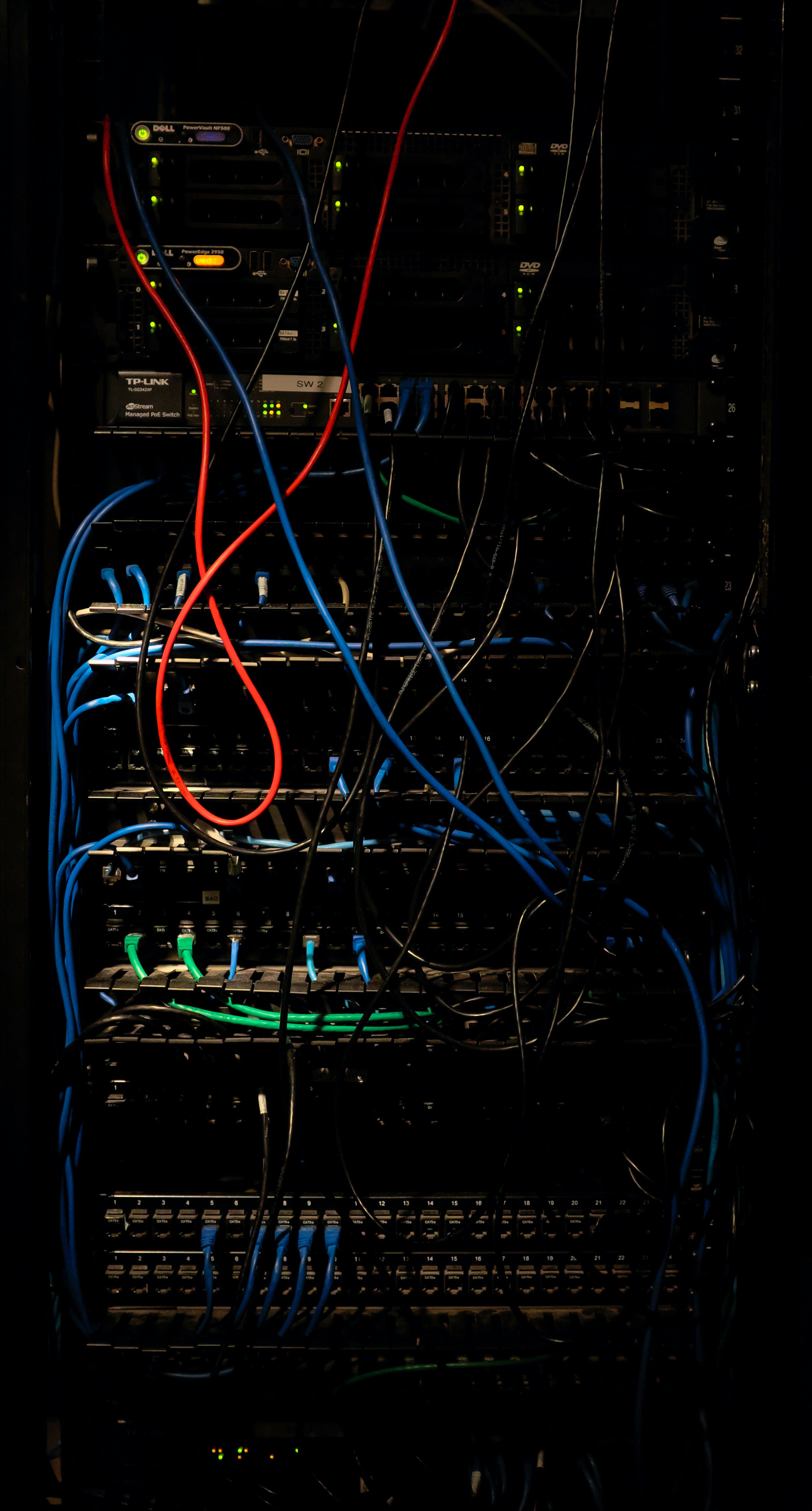
Introduction to Data Communications
Data communications refers to the exchange of information between devices via transmission mediums. This process is fundamental in our increasingly interconnected world, where digital communications underpin everyday activities from personal communication to the functioning of entire economies. The significance of data communications cannot be overstated, as it enables rapid and efficient information transfer necessary for a multitude of applications such as business transactions, social media interactions, and remote work.
At its core, data communications involves the transmission of data between computing devices through various modes, including wired, wireless, optical, and satellite communications. This transmission is not devoid of certain challenges; thus, understanding the principles governing data flow is essential. These principles broadly encompass aspects such as data format, error control, and the method of signal modulation. Each component plays a vital role in ensuring that data sent from one point reaches another accurately and intact.
Effective data exchange relies on established protocols and standards, which are crucial for ensuring compatibility and interoperability between disparate systems. Protocols like Transmission Control Protocol (TCP) and Internet Protocol (IP) serve as the backbone of the internet, governing how data packets are formatted, transmitted, and received. Furthermore, standards developed by organizations such as the Institute of Electrical and Electronics Engineers (IEEE) and the International Organization for Standardization (ISO) ensure uniformity across networks and devices, facilitating seamless communication.
In light of the complexities involved, a solid grasp of the foundational concepts of data communications is necessary to navigate today’s technology-driven landscape. As we delve deeper into the realm of networking and communications, it becomes clear that effective data exchange is not merely a technological requirement but a cornerstone of modern society.
The Fundamentals of Networking
Networking is a foundational aspect of data communications that enables the efficient sharing of resources and information among various devices. Understanding the essential principles of networking is crucial for both professionals and individuals in our increasingly connected world. One of the key concepts in networking is the topology, which refers to the physical or logical arrangement of nodes within a network. Common network topologies include star, bus, ring, and mesh formations, each offering distinct advantages depending on the operational requirements.
Additionally, networks can be categorized based on their scale and geographic coverage. Local Area Networks (LANs) are typically confined to a small geographic area, such as a single building or campus, allowing for high-speed communication among connected devices. On the other hand, Wide Area Networks (WANs) span larger distances, connecting multiple LANs across cities or countries, often through leased telecommunication lines. Personal Area Networks (PANs) represent the smallest network type, usually involving devices within the range of a few meters, such as connecting peripherals to a smartphone or computer via Bluetooth.
Another significant element of networking is Internet Protocol (IP) addressing, which provides a unique identifier for each device within a network. IP addresses allow devices to locate each other and facilitate communication efficiently. The client-server model further illustrates how devices interact within a network, where client devices request services or resources, and server devices provide them. This model underpins various applications, from web browsing to email services, establishing clear roles for devices in the network. Understanding these key principles lays the groundwork for navigating more complex networking concepts and technologies in the future.
Understanding Bandwidth and Data Rates
Bandwidth is a fundamental concept in data communications, referring to the maximum amount of data that can be transmitted over a communication channel in a given period. It is typically measured in bits per second (bps), with higher bandwidth indicating a greater capacity for data transmission. This measurement plays a crucial role in determining data rates, as it directly influences how quickly data can be transferred between devices within a network. A higher bandwidth ensures that more data can be sent simultaneously, resulting in faster data transmission rates and improved overall performance.
Different transmission mediums exhibit varying bandwidth capabilities, which significantly impact their speed and efficiency. Broadband technologies, for example, offer high-speed internet access with substantial bandwidth. This type of service is commonly utilized in home and business networks, facilitating activities that demand high data rates, such as streaming high-definition video or online gaming. DSL (Digital Subscriber Line) is another widely used medium that provides high-speed internet through telephone lines. While DSL can offer reasonable speeds, it is generally slower than broadband, particularly when users are located farther from the service provider’s central office.
Fiber optics represents one of the most advanced transmission mediums, utilizing light signals to transmit data at incredible speeds. Fiber optic cables boast significantly higher bandwidth compared to both DSL and broadband, allowing for ultra-fast data rates suitable for extensive data transfer demands. This makes fiber optics particularly advantageous for organizations requiring robust connectivity for cloud computing, large file sharing, and high-resolution streaming services.
Understanding the differences between these transmission mediums and their associated bandwidth capacities is essential for selecting the appropriate internet service. Ultimately, the choice of technology will influence the speed and efficiency of data communications, thereby impacting user experience and operational productivity.
Communication Protocols and File Transfer
In the landscape of data communications, protocols serve as a set of rules and standards that govern data exchanges over networks. Among these, file transfer protocols (FTP, SFTP, and HTTP) play critical roles in facilitating secure and efficient transmission of files between computers. Each protocol has its unique functionalities, catering to different security and performance needs.
File Transfer Protocol (FTP) is one of the oldest and most widely used methods for transferring files across a network. While FTP is efficient for transferring large volumes of data, it lacks built-in security features. This makes it less suitable for transferring sensitive information, prompting users to turn to more secure alternatives. Secure File Transfer Protocol (SFTP), built on the secure shell (SSH) protocol, addresses these concerns by encrypting both the command and data channels, ensuring that data is protected during transmission. SFTP provides seamless authentication and transfer capabilities, making it ideal for environments where security is paramount.
Hypertext Transfer Protocol (HTTP) differs from traditional file transfer protocols in that it is primarily used for transmitting hypertext documents, such as web pages. However, its extension, HTTP Secure (HTTPS), incorporates encryption through Transport Layer Security (TLS), thereby safeguarding data in transit. This layer of security is crucial for protecting sensitive information exchanged online, such as login credentials and credit card details.
File transfer protocols incorporate error correction mechanisms to ensure data integrity during transmission. For instance, FTP employs checksums to verify that files have been accurately transferred. Similarly, SFTP includes features that can detect any inconsistencies in data, prompting retransmissions as necessary. Consequently, these protocols not only facilitate the secure exchange of data but also foster trust in the reliability of network communications.
Wireless Communications: Bluetooth and Wi-Fi
Wireless communication technologies, notably Bluetooth and Wi-Fi, have revolutionized the way devices connect and exchange data. Bluetooth technology is primarily designed for short-range communication, enabling devices such as smartphones, headphones, and smartwatches to pair seamlessly within a limited range, typically up to 100 meters. Utilizing low-energy techniques, Bluetooth facilitates efficient data transfer while minimizing power consumption, making it ideal for personal area networks (PANs).
On the other hand, Wi-Fi is designed for higher bandwidth, allowing devices to connect to the internet and local networks over greater distances, sometimes exceeding 300 feet indoors. Utilizing radio waves, Wi-Fi provides robust capabilities for streaming, gaming, and sharing large files, catering to a broader range of applications compared to Bluetooth. While both technologies enable wireless communications, the choice between them depends on the specific needs of the user. For example, Bluetooth might be preferable for connecting headphones to a smartphone, while Wi-Fi would be necessary for online gaming or working from home.
Both Bluetooth and Wi-Fi present distinct advantages and limitations. Bluetooth’s low energy consumption and ease of use make it advantageous for personal devices that require minimal data transmission without the need for a significant power draw. However, its limited range restricts its utility in larger environments. Conversely, Wi-Fi excels in providing high-speed internet access over larger distances and supports more devices connected simultaneously. Nonetheless, Wi-Fi systems can be susceptible to interference and security risks, necessitating robust encryption measures.
In comparing wireless communications to their wired counterparts, one finds that while wired connections often offer stability and faster speeds, they lack the the flexibility of being portable. Wireless technologies like Bluetooth and Wi-Fi provide essential solutions for modern connectivity, a vital aspect of today’s digital landscape.
The Role of Modems in Connectivity
Modems, short for modulator-demodulator, play a crucial role in data communications and the facilitation of connectivity across various networks. They act as intermediaries that enable digital devices to communicate over analog signal mediums, converting digital signals from computers into analog for transmission over telephone lines or cable systems, and vice versa. This process is essential for establishing internet connections, allowing users to access online resources seamlessly.
There are several types of modems, each designed to cater to different types of network infrastructures. The most common are cable modems and Digital Subscriber Line (DSL) modems. Cable modems utilize the same coaxial cables that deliver cable television to provide high-speed internet access. They are generally faster than their DSL counterparts, making them suitable for households and businesses with high data demands. On the other hand, DSL modems operate over standard telephone lines, employing existing infrastructure to deliver internet service. Although DSL connections may not match the speed of cable modems, they offer reliable service in areas where cable internet is unavailable.
In addition to their core functionality of converting signals, modems also facilitate the bridging of different network types. For instance, when connecting a home network to the internet, a modem serves as the gateway between the local area network (LAN) and the larger internet, ensuring the seamless transfer of data packets. Furthermore, modern modems often incorporate additional features such as built-in routers and firewall capabilities, enhancing the overall networking experience by providing wireless connectivity and security measures.
As technology continues to evolve, the role of modems remains integral to Internet Service Providers (ISPs) and end-users alike, ensuring reliable and efficient connectivity in our increasingly digital world.
Data Acquisition and Compression Technologies
Data acquisition refers to the method of collecting and measuring physical quantities, such as temperature, pressure, or voltage, through the use of sensors, transducers, and data converters. This critical process is foundational in various fields, including industrial automation, environmental monitoring, and scientific research. In essence, data acquisition systems convert real-world signals into a format that can be processed, analyzed, and communicated by computing systems. These systems typically consist of hardware, such as data acquisition cards, and software that enables the user to visualize and analyze the collected data.
The significance of data compression comes into play as the volume of data generated by acquisition systems continues to grow. Compression algorithms reduce the size of data files without compromising the information they contain. This reduction is pivotal for optimizing communication, especially in environments where bandwidth is limited or when storing large amounts of data. By employing these technologies, organizations can enhance the efficiency of data transmission and storage, thereby improving overall system performance.
Several compression techniques are widely used in data communications. Lossless compression, for instance, allows for the original data to be perfectly reconstructed from the compressed data, making it ideal for applications where data integrity is paramount. Algorithms such as Zip and PNG are well-known examples of lossless technology. Conversely, lossy compression techniques, like JPEG and MP3, efficiently reduce file sizes by removing some data, which may not significantly impact the perceived quality. While lossy compression is often used in multimedia applications, it is less suited for critical data acquisition tasks that require fidelity.
Ultimately, the interplay between effective data acquisition systems and robust compression methods is essential in ensuring reliable and efficient communication networks. As technology progresses, the development and implementation of these systems and algorithms will continue to evolve, catering to the demands of modern data-intensive environments.
The Impact of Fiber Optics on Telecommunications
Fiber optic technology has emerged as a transformative force in telecommunications, enabling unprecedented data transmission speeds and reliability. By utilizing thin strands of glass or plastic, fiber optics transmit information as pulses of light, vastly surpassing the capabilities of traditional copper cables. This innovative approach not only addresses bandwidth limitations but also significantly reduces signal degradation over long distances.
One of the primary advantages of fiber optics in telecommunications is the remarkable speed at which data can be transmitted. While copper cables typically support speeds up to 1 Gbps, fiber optics can achieve speeds exceeding 100 Gbps. This enhancement is particularly critical in an era where demand for high-speed internet and data services continues to rise. As businesses and consumers alike increasingly rely on cloud services, streaming, and video conferencing, fiber optic networks provide the necessary infrastructure to support these activities efficiently.
In addition to speed, fiber optics offers superior reliability and performance compared to copper wiring. Unlike copper, which is susceptible to electromagnetic interference and signal loss, fiber optics remain unaffected by such factors, ensuring a consistent data flow. This characteristic makes fiber optic cables especially advantageous for long-distance telecommunications, where maintaining signal integrity is crucial. Furthermore, the overall lifespan of fiber optic cables is longer than that of copper cables, resulting in lower maintenance costs over time.
Current applications of fiber optics in modern networks are extensive and diverse. Telecommunication providers are increasingly deploying fiber to the home (FTTH) solutions, which enable households to access high-speed internet directly via fiber connections. Additionally, fiber optics are integral to the infrastructure supporting mobile networks, enhancing the performance of 4G and 5G technologies. The expansion of fiber optic networks continues to reshape the telecommunications landscape, paving the way for a future characterized by faster, more reliable communication.
Future Trends in Data Communications and Networking
The field of data communications and networking is rapidly evolving, influenced by several key trends that are likely to shape its future. One crucial aspect is the continued advancement of synchronous and asynchronous operations, which are essential for optimizing data transfer and enhancing communication efficiency. Synchronous operations allow data to be sent and received in a timely manner, making them suitable for applications requiring real-time responses. In contrast, asynchronous operations provide flexibility by permitting data transmission without immediate acknowledgment. This balance will be increasingly vital as organizations aim for faster and more reliable communication channels.
Moreover, the role of satellites in data communication is expected to expand significantly. With the increasing deployment of low Earth orbit (LEO) satellite constellations, high-speed internet access is becoming more accessible, even in remote areas. These advancements will facilitate global connectivity and enable a broader range of applications, from Internet of Things (IoT) devices to telecommunication services. This shift toward satellite integration can provide unprecedented opportunities for businesses and individuals alike, fostering economic development in underserved regions.
Furthermore, potential future technologies such as quantum networking and 5G advancements are set to revolutionize the landscape of data communications. Quantum networking, utilizing the principles of quantum mechanics, offers unmatched security features and rapid data processing capabilities. Meanwhile, the expansion of 5G networks will enhance mobile communication, support the growing demand for bandwidth, and improve the overall user experience in various applications ranging from virtual reality to autonomous vehicles.
As we look ahead, it is clear that the combination of these trends will significantly impact the data communications and networking sectors. Embracing these advancements will be essential for organizations aiming to remain competitive and adaptive in the face of a constantly evolving technological environment.