Introduction to Computer Architecture
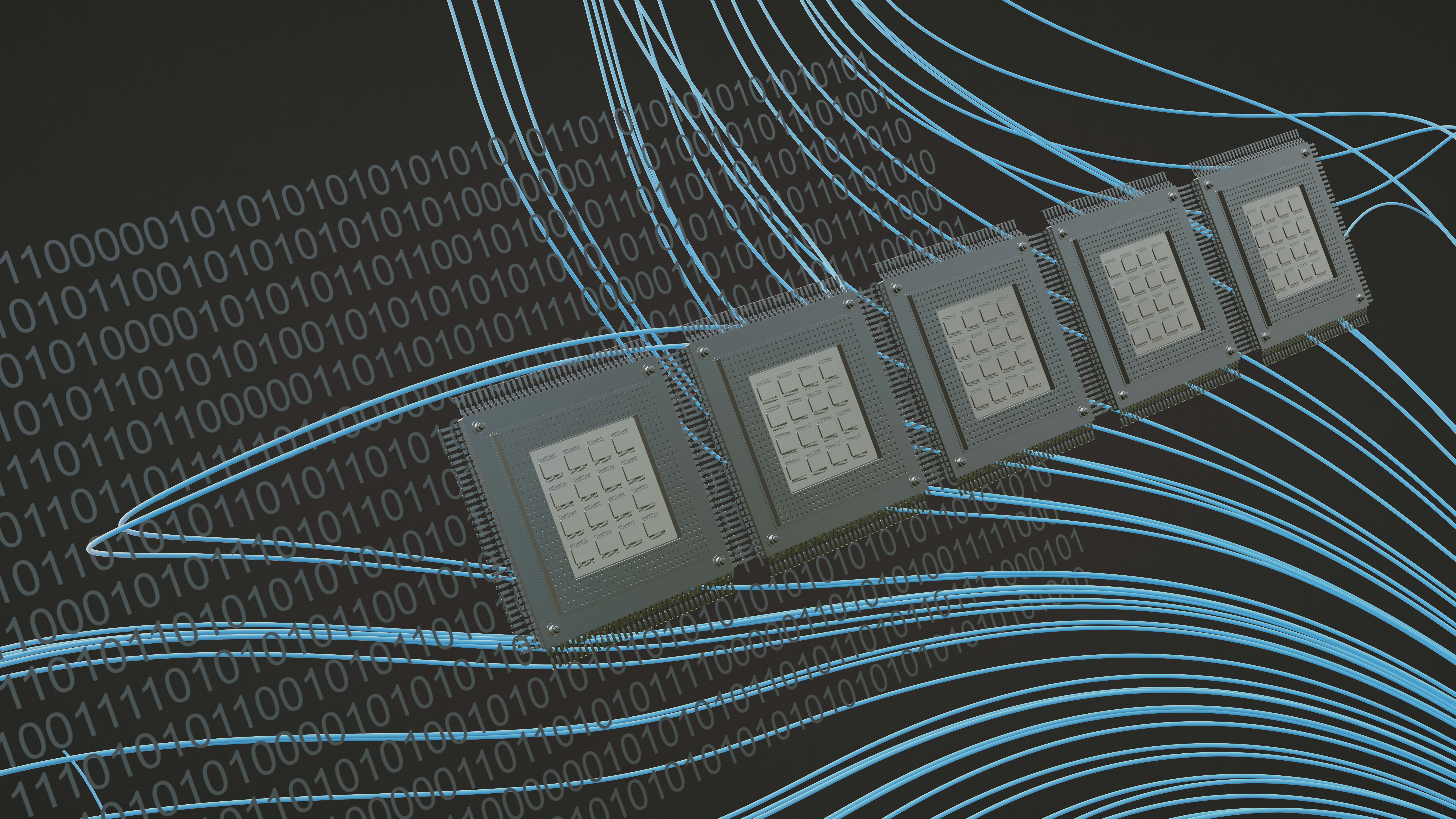
Computer architecture refers to the conceptual design and fundamental operational structure of a computer system. It encompasses the specifications for hardware components and the interactions among them, providing a blueprint that guides both the design and organization of computer systems. This essential discipline within computer engineering serves as a framework that dictates how a computer operates, influencing performance and efficiency. Understanding computer architecture is crucial for professionals and enthusiasts alike, as it lays the foundation for comprehending advanced computing concepts.
The significance of computer architecture extends beyond theoretical knowledge; it underpins the performance characteristics of computing systems. Various aspects, such as the design of the arithmetic logic unit (ALU), memory addressing, and the organization of bits and bytes, fundamentally impact a system’s functionality and computational speed. As technology evolves, engineers and developers rely on a solid grasp of computer architecture to innovate and optimize hardware for better performance, lower power consumption, and enhanced user experience.
This blog post aims to provide a comprehensive overview of the core concepts and components that define computer architecture. Throughout this guide, readers will encounter various topics, including the architecture of ALUs, the mechanisms of addressing systems, the structure and significance of bits and bytes, and the concept of buffering in computer operations. Each of these components plays a critical role in forming a well-functioning system, with interdependencies that affect how computers process information and execute tasks.
By delving into these areas, this blog post will not only enrich the reader’s understanding of computer architecture but also highlight its importance in the landscape of modern computing. As we explore these fundamental principles, we will shed light on how they contribute to building efficient and powerful computer systems.
The Arithmetic Logic Unit (ALU)
The Arithmetic Logic Unit (ALU) is a fundamental component of computer architecture, serving as the core element responsible for executing arithmetic and logical operations. It acts as the computational engine of a processor, handling essential tasks such as addition, subtraction, and logical functions like AND and OR. The performance and capabilities of the ALU directly influence the overall efficiency of a computer system, as these operations constitute the backbone of most computational processes.
Arithmetic operations typically involve numerical calculations. For instance, addition and subtraction require the ALU to manipulate binary numbers directly, transforming input values into their respective results through a series of logical gates and circuits. In addition to arithmetic functions, the ALU also processes logical operations where comparisons or logical evaluations are necessary. These functions can include checking whether a value meets specific criteria or assessing the relationship between two binary values. This versatility makes the ALU indispensable in the operation of a wide range of applications, from simple calculations to complex algorithms.
The interaction of the ALU with other components within the computer architecture is another vital aspect. The ALU typically receives input data from the CPU registers and outputs results back to them or to memory. Timing and control signals are provided by the control unit, ensuring that the operations occur in synchrony with the overall system clock. Notably, the size of the ALU—often described in terms of the number of bits it can process at once—affects its performance. A larger ALU can handle more extensive operations, potentially leading to increased processing speed and efficiency. Consequently, advancing technology aims to improve the performance of ALUs, focusing on enhancing both their speed and capacity to support increasingly complex computational demands.
Bits and Bytes: The Building Blocks of Data
In the realm of computer architecture, bits and bytes serve as the fundamental units of data representation. A bit, short for binary digit, is the smallest unit of information in computing and can represent a value of either 0 or 1. These binary states are pivotal in forming the basis of all digital communication and data processing. Multiple bits can be combined to create larger units of data, with the byte being the most commonly used group. A byte comprises eight bits and can represent a total of 256 different values, ranging from 0 to 255. This structure is crucial in encoding characters, images, and other forms of data.
The significance of different byte sizes extends beyond the simple byte itself. In computing, higher data size units have been established to facilitate the organization and manipulation of larger quantities of data. A kilobyte (KB) is equivalent to 1,024 bytes, a megabyte (MB) represents 1,024 kilobytes, and this pattern continues with gigabytes (GB) and terabytes (TB). Understanding these scales is essential for grasping how data is stored and processed in computer systems. For instance, the memory capacity of devices and their storage capabilities are often measured in these larger units, impacting everything from system performance to user experience.
In addition, bits and bytes have critical implications for system memory and storage. The manipulation of these basic units enables computers to execute complex operations, from file storage to network communication. By converting various forms of data into binary code, processors can interpret and utilize this information effectively. Overall, recognizing the roles of bits and bytes equips users and professionals alike with a foundational understanding of how data is represented and processed, forming the backbone of computer architecture and its functionalities.
Buffering and Data Management
Buffering is a crucial element of computer architecture that plays an essential role in data management and processing. At its core, a buffer is a temporary storage area allocated in memory where data can be held while it is being transferred from one location to another. This can involve data moving between memory and processing units, between different devices, or during communication over a network. The purpose of buffering is to accommodate differences in the speed of data production and consumption, thereby ensuring a seamless data flow.
There are various types of buffers used in computer systems, including input buffers and output buffers. Input buffers gather data coming from an external source, such as a keyboard or network, before it is sent to the CPU for processing. Conversely, output buffers hold data that is generated by the CPU before it is sent to an output device like a monitor or printer. These buffers are critical for managing the speed and efficiency of data transfer, allowing the CPU to operate without having to wait for slower peripheral devices.
Buffering is particularly significant in scenarios that require continuous data streams, such as video streaming, audio playback, and data communications. For instance, in streaming applications, buffers ensure a smooth playback experience by pre-loading data ahead of time, minimizing disruption caused by variability in internet speed or delays in data retrieval. In data communication, buffering strategies enhance throughput and prevent data loss, accommodating burst traffic situations that can overwhelm network resources if not properly managed.
Overall, the use of buffering in computer systems illustrates its vital role in ensuring the effective management of data during processing and transmission. Its various types and applications are indispensable in enhancing performance and maintaining reliability in modern computing environments.
The Bus: Communication Pathways in Computers
In computer architecture, a bus serves as a critical communication pathway, enabling data transfer between various components of the system. It operates as a shared channel through which information flows between the central processing unit (CPU), memory, and other peripheral devices. The design and efficiency of these buses play a vital role in the overall performance and organization of the computer system.
Buses can be categorized into three primary types: data bus, address bus, and control bus. The data bus is responsible for transmitting actual data between components, making it the most crucial pathway for data transfer. Its width, which is determined by the number of bits it can carry simultaneously, directly impacts how much data can be processed at once. A wider data bus enhances the throughput of the system, allowing faster access to data and improving overall efficiency.
The address bus, on the other hand, is tasked with carrying information about the addresses of the memory locations or devices that the data is being sent to or retrieved from. Unlike the data bus, the address bus is unidirectional, meaning it only carries information in one direction, typically from the CPU to memory or other devices. The width of the address bus signifies the maximum addressable memory space, thus influencing the capability and limitations of the system’s memory management.
Lastly, the control bus coordinates the operations of the various components. It carries control signals that dictate the action to be taken, such as whether to read from or write to a memory location. By managing the timing and sequence of operations, the control bus ensures that data transactions occur smoothly and without conflicts.
Understanding the functionalities of these different types of buses is essential in grasping how data is efficiently transmitted in computer systems. Effective bus architecture contributes significantly to optimizing system performance and enhancing communication pathways in modern computing environments.
Cache Memory: Enhancing Speed and Efficiency
Cache memory plays a crucial role in modern computer architecture by providing faster data access to the processor. It is designed to store frequently accessed information, allowing the CPU to retrieve data more quickly than sourcing it from the main memory. Cache memory operates at several levels, commonly referred to as L1, L2, and L3 caches, each level with its own attributes and purpose.
The L1 cache, being the closest to the CPU, boasts the smallest capacity and the fastest access time. It is typically divided into separate caches for data and instructions, enhancing parallel processing capabilities. The next level, L2 cache, is larger than L1 and serves as a bridge between the fast L1 cache and the slower main memory. It offers a balance between speed and size, significantly improving overall processing efficiency. Finally, the L3 cache is situated further away from the CPU, accessible to all cores in a multicore environment, which allows multiple processing units to benefit from shared cached data.
Cache memory relies on the principles of locality of reference, which includes two key concepts: temporal locality and spatial locality. Temporal locality suggests that if a data item is accessed, it is likely to be accessed again in the near future. Spatial locality indicates that data near the accessed location is also likely to be requested soon. These principles guide cache management strategies, ensuring that the most relevant data is held in the cache for rapid retrieval, thus minimizing latency and improving system performance.
Overall, the strategic implementation of cache memory within computer architectures is fundamental for enhancing speed and efficiency in processing tasks. Understanding how cache functions and is structured is vital for anyone looking to delve deeper into the intricacies of computer systems.
Parallel and Distributed Computing
Parallel and distributed computing are increasingly important paradigms within contemporary computer architecture, facilitating enhanced performance and efficiency in processing complex computations. While both methodologies aim to improve computational speed by utilizing multiple processing units, they differ significantly in their approaches and implementations.
Parallel computing involves the simultaneous execution of multiple tasks, typically on a single machine or a tightly coupled system. This approach utilizes multiple cores or processors to divide a task into smaller, manageable segments that can be executed concurrently. This method is particularly advantageous for applications requiring high-performance computing, enabling significant reductions in processing time. Examples of parallel computing applications include scientific simulations, image processing, and financial modeling, where tasks can be executed simultaneously to achieve faster results.
On the other hand, distributed computing connects several independent computers, often spread across different geographical locations, to work collaboratively on a single problem. In this paradigm, tasks are divided among different systems, which share their computational resources and communicate over a network. Distributed computing excels in scenarios where tasks involve large datasets or require extensive resource allocation. Notable applications of distributed computing can be found in cloud computing services, where data is processed across multiple servers. Additionally, large-scale simulations, such as those used in weather forecasting or complex scientific modeling, benefit from distributed architectures that enable the aggregation of computational power from numerous machines.
The advantages of both parallel and distributed computing highlight their potential in today’s data-driven landscape. By leveraging these advanced methodologies, organizations can tackle increasingly complex problems and improve efficiency significantly across various domains. As technology continues to evolve, the integration of these computing strategies is expected to play a critical role in advancing the capabilities of computer architecture.
Device Drivers and Embedded Systems
Device drivers are essential software components that serve as intermediaries between an operating system and hardware devices. These drivers enable the operating system to communicate effectively with hardware components, allowing for proper operation and integration. Each device, whether it be a printer, network card, or graphics card, typically has its specific driver, which translates the operating system’s generic commands into device-specific instructions. This translation is crucial because it allows a wide variety of hardware to function seamlessly within a computer system, enhancing its overall performance and user experience. Without device drivers, the operating system would be unable to recognize or control the hardware, rendering many devices unusable.
In the context of embedded systems, device drivers play a vital role as well. Embedded systems are specialized computing systems that perform dedicated functions or tasks within larger mechanical or electrical systems. Examples of embedded systems can be found in home appliances, automotive control systems, and industrial machines. These systems often require real-time processing and must communicate closely with specific hardware components to deliver their functions efficiently.
Within embedded systems, device drivers enable smooth and effective communication between the embedded software and the hardware. They manage the data exchange, ensuring that sensors, actuators, or other interfaced devices operate according to the system’s requirements. Furthermore, as technology evolves, embedded systems are increasingly designed with flexibility in mind, necessitating highly adaptable device drivers to support various functionalities. This adaptability is essential, particularly in applications that demand high reliability and performance, such as medical devices or automotive safety systems.
In conclusion, understanding the roles of device drivers within computer architecture is crucial for grasping how hardware and software interact. Not only do they facilitate communication between the operating system and hardware, but they also play a significant role in the functioning of embedded systems across various applications.
Emerging Trends: RISC and Cooperative Processing
In the ever-evolving field of computer architecture, two significant trends have gained attention: Reduced Instruction Set Computing (RISC) and cooperative processing. These advancements are shaping the way processors are designed, aiming to simplify operations and enhance performance in an increasingly complex computing environment.
RISC architecture focuses on reducing the complexity of instructions executed by a processor. By limiting the instruction set to a smaller range of operations, RISC effectively allows for more efficient execution and optimization. This architectural simplicity not only leads to faster processing speeds but also facilitates a greater degree of parallelism, permitting multiple instructions to be managed simultaneously. With its emphasis on a streamlined set of instructions, RISC has become a critical component in modern computing, especially in mobile and embedded systems where efficiency is paramount.
In addition to RISC, the concept of cooperative processing is emerging as a vital trend in contemporary computer architectures. Cooperative processing refers to the synergy between multiple processing units, which can collaboratively manage tasks in multi-threaded environments. This approach allows for improved resource utilization and supports the concurrent execution of processes. As software applications become increasingly sophisticated and data-intensive, cooperative processing enhances overall system performance, providing scalability and responsiveness that were previously unattainable with traditional single-threaded architectures.
The implementation of RISC and cooperative processing not only addresses the immediate demands for performance and efficiency but also sets the groundwork for future innovations in computing. As developers and engineers continue to explore these architectural strategies, the potential for enhanced computational power while maintaining energy effectiveness becomes increasingly prominent. Ultimately, these trends illustrate a clear direction in the evolution of computer architecture, paving the way for more powerful and capable systems.