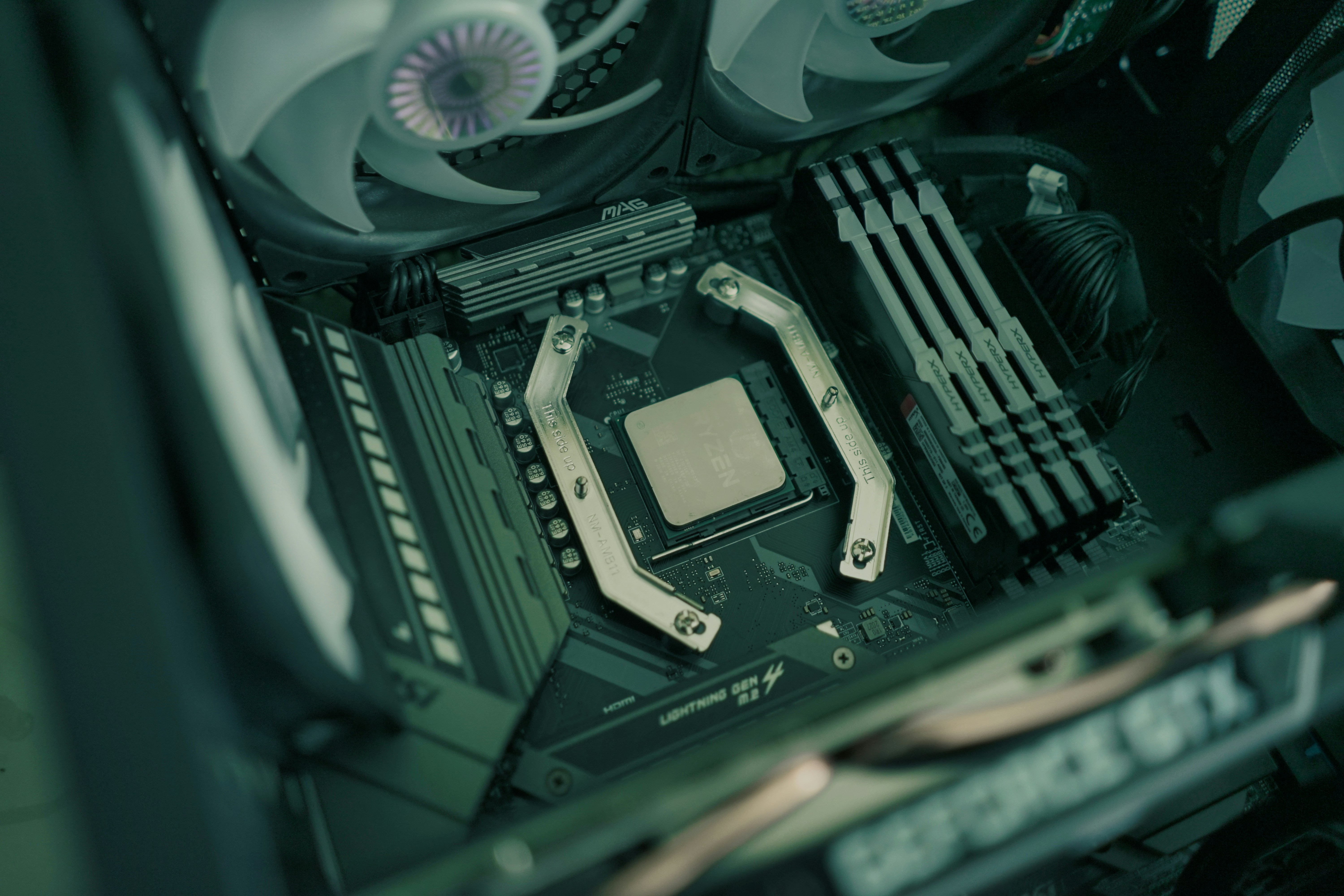
What is Cache?
Cache is a specialized form of memory used in computer architecture to enhance the speed and performance of data access. It is a smaller, faster type of volatile memory that temporarily stores frequently accessed information, allowing for quick retrieval and significantly reducing the time required to access data from the primary memory, or RAM. The main function of cache is to act as an intermediary between the CPU and the main memory, ensuring that the processing units have immediate access to the data they need to execute instructions efficiently.
In essence, cache memory stores copies of the data and instructions that are most frequently used by the CPU. By keeping these elements close to the processor, cache helps prevent delays resulting from the longer retrieval times associated with accessing data from larger, slower memory types. As processors execute billions of instructions per second, even the smallest delays can accumulate and result in significant performance loss. Thus, employing cache is crucial in modern computing systems where speed is paramount.
Additionally, cache memory is typically organized into different levels, commonly referred to as L1, L2, and L3 caches, each with varying sizes and speeds. L1 cache is the smallest and fastest, residing closest to the CPU cores, while L2 and L3 caches serve as progressively larger storage areas that are still faster than main memory. The hierarchical nature of caching allows for efficient data management and retrieval, enabling the CPU to process information seamlessly, thereby improving overall system performance and efficiency.
In summary, cache serves a vital role in computer architecture by facilitating quicker access to frequently used data, significantly improving the efficiency with which CPUs and other components operate. This memory type is essential for maintaining high-performance computing and enables systems to meet the demands of modern applications and tasks.
Types of Cache
Cache memory is an essential component of modern computer architecture, playing a crucial role in improving data access speed. There are primarily three types of cache levels in the cache hierarchy: L1, L2, and L3 caches. Each of these caches has distinct characteristics that influence their efficiency and performance.
L1 cache, or Level 1 cache, is located directly on the CPU chip and is the fastest cache type. Its size typically ranges from 16KB to 64KB, making it quite small, but its speed is unmatched. The L1 cache is divided into two separate caches: one for data and one for instructions, ensuring rapid access to frequently used information. This immediate availability allows the CPU to execute tasks efficiently, minimizing wait times and enhancing overall performance.
Following L1 is the L2 cache, or Level 2 cache. This type may reside on the CPU chip or on a separate chip close to the CPU, offering a slightly larger size, usually between 256KB and 1MB. Although it is slower than L1 cache, it is still significantly faster than accessing data from the main memory (RAM). The L2 cache serves as a middle ground, storing data that is lesser-used compared to L1, yet frequently accessed enough to justify faster access times.
The L3 cache provides an additional layer of storage between the CPU and the main memory. Typically larger than both L1 and L2 caches, its sizes range from 2MB to 32MB or more. Although it has higher latency compared to L1 and L2, its role is critical in multi-core processors, as it allows data sharing among cores, effectively reducing memory bottlenecks.
In addition to these primary types, other forms of cache exist, such as disk cache and browser cache, both serving to optimize data retrieval from storage and improve user experiences respectively. Disk cache stores frequently accessed data from hard drives, while browser cache saves web content to speed up loading times during internet browsing. Each type of cache, regardless of its specific application, contributes to an overall increase in system efficiency.
How Cache Works
Cache memory operates on fundamental principles that enhance computer performance by providing rapid access to frequently requested data. One of the key concepts in cache operation is data locality, which is divided into two types: temporal and spatial. Temporal locality refers to the tendency of a processor to access the same data or instructions repeatedly within a short time frame. Spatial locality, on the other hand, involves accessing data or instructions that are located close to each other in memory. By exploiting these localities, cache memory effectively reduces the average time taken to access data, thereby speeding up overall system performance.
When the CPU requests data, the cache first checks if it contains the data in a process known as a cache hit. If the required data is found in the cache, it can be retrieved quickly without fetching it from the slower main memory. However, if the data is not present, it results in a cache miss, necessitating a more time-consuming retrieval from the main memory. Cache hits contribute significantly to performance gains, while cache misses indicate areas for optimization in memory access strategies.
To manage the cached data efficiently, various algorithms and techniques are employed. Among these, the Least Recently Used (LRU) algorithm is prominent; it replaces the least recently accessed data when the cache is full. Other strategies include the First In, First Out (FIFO) method and the Least Frequently Used (LFU) technique. These algorithms help ensure that the most relevant data remains accessible while optimizing the limited cache storage. The effectiveness of cache memory is crucial for enhancing system performance, making the understanding of how cache works essential for both developers and users seeking to improve computational efficiency.
The Benefits of Cache
Cache systems play a crucial role in enhancing performance across various computing applications. One of the most prominent advantages of cache is its ability to facilitate faster data retrieval. Rather than accessing data from slower main memory, a cache stores frequently accessed information closer to the processor. This proximity significantly reduces the time required for data access, resulting in quicker operation and improved user experience.
Another critical benefit of cache is the reduction of latency. Latency, defined as the delay before a transfer of data begins following an instruction, can severely impact user interactions. By utilizing cache, systems can effectively minimize this delay. For example, in gaming, where real-time responsiveness is vital, cache allows for immediate access to game assets and data, ensuring a smoother gaming experience. Without an efficient caching mechanism, players may encounter lag or slow load times, detracting from the overall enjoyment of the game.
Moreover, cache contributes to improved overall system efficiency. It enables better resource utilization by offloading some of the data processing demands from the primary storage. This reduction in resource strain allows the system to operate more efficiently, leading to enhanced performance. In web browsing, for instance, caching frequently accessed web pages can significantly decrease loading times. As users revisit sites, cache serves up stored pages instantaneously without the need for repeated server requests. Consequently, both service providers and users benefit, as this leads to lower bandwidth usage and quicker access times.
In various applications, from databases to multimedia processing, the strategic deployment of cache is vital. It not only optimizes speed but also refines the overall experience for end-users, validating the importance of this small, yet powerful memory component. The integration of cache strategically enhances the functionality of systems, showcasing its value across numerous domains.
Cache Memory vs. Main Memory
Cache memory and main memory (RAM) are two essential components of a computer’s architecture, playing distinct roles in data storage and access. While both serve to hold data that the CPU requires for processing, their characteristics significantly differ, impacting overall system performance.
One of the primary differences between cache memory and main memory lies in speed. Cache memory is specifically designed to offer quick access to frequently used data and instructions. It operates at speeds close to that of the CPU, which allows it to deliver data at lightning-fast rates, thereby reducing overall latency. In contrast, main memory, though still faster than secondary storage options like hard drives, has a longer access time compared to cache. This speed disparity occurs because cache memory is built using faster technologies and exists much closer to the processor, often integrated directly into the CPU chip, while RAM is typically installed separately on the motherboard.
Another significant difference is their size. Cache memory is relatively small in capacity, usually measured in kilobytes or a few megabytes, because it only needs to store a limited set of critical data and instructions. In comparison, main memory is much larger, often several gigabytes, allowing it to hold the bulk of a program’s active data. This size difference also influences their purpose; cache is utilized for storing high-speed access data, while RAM serves as the primary workspace for all applications being executed.
The implications of these differences are crucial for computer performance and design. The presence of fast cache memory can significantly reduce the time the CPU spends waiting for data, while a larger main memory capacity can accommodate more applications and processes at once. Understanding these dynamics helps in optimizing systems for better performance, as the balance between cache and RAM utilization is essential in modern computing environments.
Cache Coherency
Cache coherency is a critical concept in multicore processing systems, where multiple processors or cores each maintain their own individual caches. The challenge in these systems arises from the fact that caches can contain copies of the same memory location, leading to potential inconsistencies. When one core modifies a value in its cache, other cores that might also store a copy of that same value in their caches may not be aware of this change. As a result, without a defined mechanism, the data accessed by other cores could be stale or invalidate the integrity of operations across the processor.
To tackle these challenges, various coherency protocols have been developed. These protocols are essential for maintaining cache consistency, ensuring that all processors reflect the most current state of data. There are several strategies employed in cache coherency, with the most common ones being the MSI, MESI, and MOESI protocols. These protocols dictate how cache entries are classified and the resulting actions that must be taken when there are updates to shared data. For instance, in the MESI protocol, cache lines can be in one of four states: Modified, Exclusive, Shared, or Invalid, allowing processors to appropriately track the status of data across caches efficiently.
The design of these protocols involves a trade-off between performance and complexity. On one hand, the more sophisticated a protocol, the better it can manage data consistency; however, this can also introduce overhead that slows down the overall performance of the system. Therefore, the choice of a cache coherency protocol is significant in system architecture, influencing not just data accuracy but also system efficiency. As multicore processors advance, ensuring effective cache coherency continues to be an essential focus for optimizing computing performance.
Cache Optimization Techniques
Optimizing cache performance is critical to enhancing data access speeds and overall system efficiency. Several techniques can be employed to achieve this goal, including prefetching, cache partitioning, and the application of sophisticated algorithms for data management.
One widely used method is prefetching, which involves predicting the future data requests of a program and loading that data into the cache ahead of time. This technique can significantly reduce latency by ensuring that the required data is readily available before it is requested. Effective prefetching strategies rely on identifying repetitive access patterns and utilizing them to forecast subsequent data needs.
Cache partitioning is another crucial technique. This approach divides the cache into segments, allowing different processes or threads to utilize their dedicated cache space. By minimizing contention between processes, cache partitioning enhances efficiency and reduces cache thrashing—where multiple processes constantly compete for cache space. This division can result in improved data locality, as each segment can be optimized based on the specific access patterns of the associated process.
Additionally, employing various cache management algorithms plays a vital role in optimizing cache performance. Algorithms such as Least Recently Used (LRU), First-In-First-Out (FIFO), and Least Frequently Used (LFU) help to determine which data to retain in the cache and which data to evict. Choosing the right algorithm is paramount, as it can dramatically affect the hit rate and frequency of data access. An effective cache management strategy ensures that frequently accessed data remains available while replacing rarely used data that might no longer serve a purpose.
By implementing these techniques—prefetching, cache partitioning, and suitable cache management algorithms—organizations can significantly improve the efficiency of their caching systems, leading to faster data access and enhanced overall performance.
The Future of Cache Technology
The field of cache technology is poised for significant advancements that will shape the future of computing architectures. As data demands continue to escalate, the traditional designs of cache are evolving to meet the challenges of higher performance computing. One of the most noteworthy trends is the integration of cache with artificial intelligence (AI) and machine learning (ML) technologies. This integration is not merely a trend; it represents a paradigm shift in how cache is utilized for improving data access speeds and processing efficiency.
Next-generation cache systems are expected to incorporate AI algorithms that predict data retrieval patterns, thereby optimizing cache usage. By analyzing user behavior and data access frequency, these intelligent systems can pre-load data into the cache, significantly reducing latency during data fetching processes. As a result, this can lead to enhanced user experiences and more efficient resource allocation within computing environments.
Another emerging trend is the development of non-volatile cache systems, which provide faster data access while also retaining information without power. This addresses the limitations of traditional volatile cache memory, ensuring that critical data remains accessible even during power outages or system failures. The advent of resistive random-access memory (ReRAM) and phase-change memory (PCM) holds promise for revolutionizing how cache operates by offering faster speeds and greater durability.
Additionally, there is a growing emphasis on the integration of cache with multi-core processors. Increasing core counts lead to greater competition for shared caches, necessitating more sophisticated cache coherence protocols. Innovations in this area aim to enhance the efficiency of data sharing among cores, thereby boosting overall system performance. As we look ahead, these innovations in cache technology will undoubtedly better meet the needs of varied applications, ranging from consumer devices to high-performance computing systems.
Common Misconceptions about Cache
Cache memory is an essential component of modern computing systems, yet several misconceptions persist regarding its nature, limitations, and functionalities. By addressing these myths, a deeper understanding of cache will emerge, illuminating its critical role in enhancing system performance.
One prevalent misunderstanding is the belief that cache memory is scarce or limited in size. While it is true that cache is generally smaller than main memory (RAM), this size is intentional. The design of cache memory prioritizes speed over capacity. Cache operates on the principle of locality, which suggests that programs tend to access a small subset of data repeatedly over a short period. Therefore, the limited size of cache is efficient for speeding up data retrieval without requiring an impractically large memory resource.
Another misconception revolves around the notion that cache is solely responsible for improving system performance. While cache plays a significant role by providing rapid access to frequently used data, performance results from a broader ecosystem of components, including processors, main memory, and storage devices. The synergistic interaction among these components ultimately dictates the efficiency and speed of data access. Thus, attributing performance improvements solely to cache overlooks the complexity of how modern computing systems operate.
Furthermore, many individuals believe that managing cache is inherently complex or difficult. In reality, contemporary processors and operating systems handle cache management automatically, utilizing sophisticated algorithms to optimize data storage and retrieval. This automation allows users to benefit from cache improvements without needing to delve into the technical intricacies of its management.
By dispelling these common misconceptions, it becomes clear that cache memory is not only about size but also about efficiency, effectiveness, and seamless integration within the broader computing architecture.