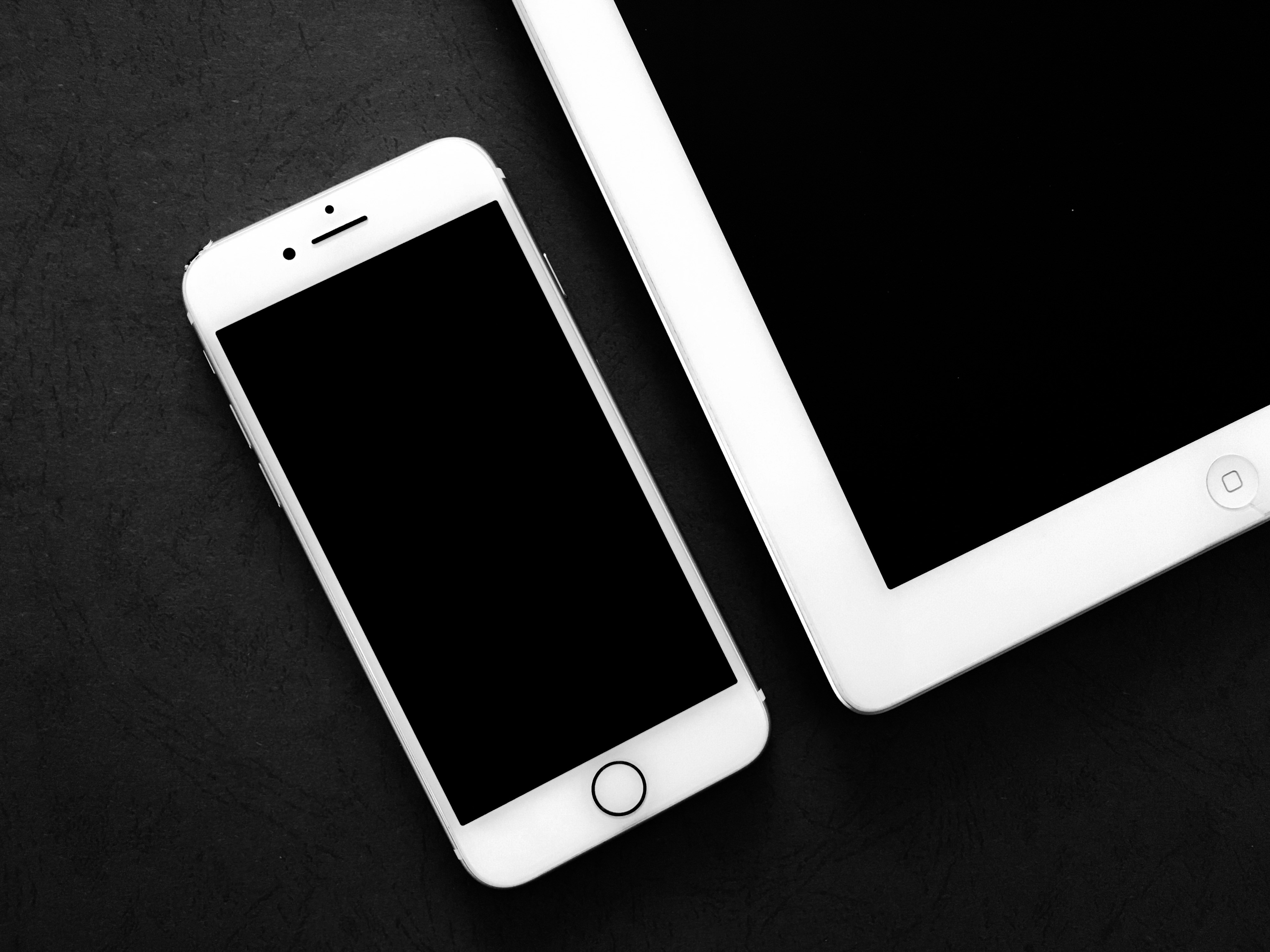
Introduction to Mobile Devices
Mobile devices have become an integral part of modern society, fundamentally transforming the way individuals communicate, access information, and engage with the world. Defined broadly, mobile devices are portable computing devices that connect to a network, allowing users to perform various functions such as messaging, browsing, and app usage. Among these devices, smartphones and tablets have gained significant prominence, serving as essential tools for both personal and professional use.
Smartphones, characterized by their advanced capabilities that extend beyond traditional telephony, have evolved into multifaceted devices. With an array of applications, features like high-resolution cameras, and internet connectivity, smartphones facilitate real-time communication and information sharing. The rise of smartphones has been accompanied by a surge in mobile applications, which cater to a wide range of activities, from social networking to mobile banking, enhancing user experience and introducing new digital conveniences.
Tablets, on the other hand, serve as a bridge between smartphones and laptops, providing larger screens and improved usability for tasks such as content consumption and productivity. Designed primarily for media consumption and light productivity, tablets have carved out a niche in educational contexts, creative professions, and casual use. Their portability and intuitive interfaces allow users to navigate complex tasks more efficiently than ever before.
As we delve deeper into the evolution and impact of these devices, it is crucial to acknowledge how mobile devices have not only influenced personal lifestyles but have also reshaped entire industries. Their significance lies in the seamless connectivity and accessibility they provide, enabling users to stay engaged with both local and global trends. This blog post will explore these themes further, assessing how smartphones and tablets have transformed communication, education, and commerce in the digital age.
The Evolution of Smartphones
The journey of smartphones began in the early 1990s with the advent of mobile phones, which primarily served the purpose of voice communication. The first notable step towards the smartphone era was taken in 1992 with the release of the IBM Simon Personal Communicator. This groundbreaking device featured a touchscreen interface and basic applications like email and a calendar, setting the stage for future innovations. However, it wasn’t until the introduction of the BlackBerry, in the late 1990s, that smartphones began to gain traction among business professionals, thanks to its email capabilities and physical keyboard.
As technology progressed, the landscape of mobile devices continued to evolve. A pivotal moment occurred in 2007 with the launch of the Apple iPhone, a device that redefined smartphone functionalities. The iPhone combined a potent mix of intuitive touch interface, multimedia capabilities, and access to a burgeoning app ecosystem. This innovation prompted a shift in consumer expectations, leading to the rapid adoption of smartphones not just for business use but also for casual and personal applications.
Following the success of the iPhone, several manufacturers, including Samsung, HTC, and LG, entered the market with their own models, resulting in a surge of options for consumers. The introduction of Android by Google in 2008 further accelerated the growth of smartphones, as it allowed various manufacturers to customize their devices while utilizing a common operating system. The subsequent years saw the emergence of features such as high-resolution cameras, advanced processors, and enhanced connectivity options like 4G and eventually 5G networks.
Today, smartphones have become indispensable tools in daily life, facilitating everything from communication and entertainment to online shopping and navigation. This evolution from basic mobile phones to sophisticated smartphones illustrates not only technological advancement but also shifting social norms and lifestyles, as these devices increasingly encapsulate multifunctional capabilities.
Tablets: Bridging the Gap
The emergence of tablets as a distinct category of mobile devices has significantly influenced both consumer behavior and technological development. Tablets are often perceived as a middle ground between smartphones and traditional computers, effectively bridging the gap between these two device types. This unique positioning provides users with versatility that accommodates a broad spectrum of activities, including work, entertainment, and education.
Initially introduced in the early 2010s, tablets were met with skepticism regarding their practicality and necessity. However, advancements in technology and increases in processing power have transformed them into essential tools for millions. Tablets combine the portability of smartphones with the functionality typically associated with laptops and desktop computers. This convergence of features allows users to conduct tasks that require larger screens or more complex inputs while still remaining mobile.
In the realm of work, tablets have become invaluable assets for professionals. Many individuals now rely on them for tasks ranging from document editing to virtual meetings. The integration of productivity applications and cloud services enables seamless interoperability with existing workflows, allowing users to switch between devices with ease. This adaptability enhances productivity, particularly for remote work and collaborative projects.
Furthermore, the entertainment value of tablets cannot be overlooked. Their larger screens offer a more immersive experience for video streaming, gaming, and reading. This has contributed to the rise of content consumption on tablets, positioning them as significant players in the media landscape.
In educational settings, tablets have transformed the way students learn and engage with content. The availability of educational apps and interactive learning resources caters to diverse learning styles, providing students with a platform that fosters engagement and interactivity. Through this multifaceted functionality, tablets have established themselves not only as consumer electronics but also as pivotal tools in various aspects of daily life.
Features and Innovations in Mobile Technologies
The rapid evolution of mobile devices, particularly smartphones and tablets, is characterized by remarkable features and cutting-edge technological innovations. At the heart of these devices are the operating systems, which serve as a platform for user interaction and application functionality. The two dominant operating systems, Android and iOS, continually update to offer enhanced user experiences, with features such as app switching, notification management, and integrated ecosystems that cater to various devices and user preferences.
Hardware specifications play a crucial role in the performance of mobile devices. Processors, RAM, and storage capacity have advanced significantly, enabling faster operations and multitasking abilities. For instance, recent smartphones are equipped with multi-core processors and advanced GPUs, allowing users to engage with complex applications, high-quality gaming, and 4K video playback. Additionally, battery innovations, such as fast charging and energy-efficient components, provide users with longer usage times and the convenience of quick recharging.
Camera technology is another area where mobile devices have witnessed substantial advancements. Modern smartphones and tablets employ multi-lens systems, incorporating features like optical zoom, night mode, and advanced image processing algorithms. This allows users to capture high-quality images and videos comparable to dedicated cameras, fostering the growth of mobile photography and videography as significant forms of content creation.
Unique selling points further distinguish various mobile devices in a saturated market. Some manufacturers focus on design aesthetics, incorporating premium materials or offering customizable features, while others emphasize durability with water and dust resistance. Moreover, innovations such as foldable screens and 5G connectivity are emerging as critical elements that influence consumer choices, adding to the versatility and functionality of modern smartphones and tablets.
The Role of Mobile Devices in Daily Life
The advent of mobile devices, particularly smartphones and tablets, has significantly transformed daily routines and lifestyles for individuals around the globe. These handheld devices have redefined how we communicate, shop, bank, and access information, making them indispensable in contemporary society. The integration of mobile technology into everyday life has ushered in a new era of convenience, where instant connectivity and accessibility are prioritized.
Communication has undergone a remarkable evolution due to smartphones. Traditional voice calls have expanded to a plethora of options, including messaging apps, video calls, and social media platforms. This shift not only allows for real-time interaction but also bridges geographical gaps, enabling individuals to maintain relationships regardless of distance. The instant exchange of information has fostered stronger social connections and has facilitated networking opportunities, both personally and professionally.
In terms of financial management, mobile devices have made banking and transactions remarkably simpler. Mobile banking applications have become a staple, allowing users to conduct financial transactions securely on the go. This convenience extends to online shopping, where consumers can browse and purchase products at their fingertips. The prevalence of e-commerce has redefined shopping habits, offering users unparalleled access to a wide range of products and services, while also encouraging price comparisons and reviews.
The access to information has never been easier. Smartphones and tablets serve as portals to vast amounts of knowledge and current events. Users can quickly search for information, read articles, or even take online courses, catering to a diverse array of interests and professional development. This accessibility empowers individuals to stay informed and engaged, ultimately promoting continuous learning and adaptability in an ever-changing world.
Ultimately, mobile devices have become an integral part of daily life, shaping how we communicate, spend, and learn. Their impact on daily routines is profound, as they enhance convenience, connectivity, and accessibility, marking a significant evolution in modern living.
Challenges and Concerns
While mobile devices, such as smartphones and tablets, have remarkably transformed communication, access to information, and entertainment, they also present several significant challenges and concerns. Privacy and security are paramount considerations, as these devices frequently store personal information, including banking details, location data, and personal communications. With increasing incidents of data breaches and hacking, users are left exposed to potential identity theft and unauthorized access to sensitive information. Consequently, it is critical for users to employ strong security measures, such as multifactor authentication and regular software updates, to mitigate these risks.
Addiction to mobile devices has emerged as another pressing issue in contemporary society. The instant gratification and constant connectivity offered by smartphones can create compulsive usage patterns, contributing to decreased productivity and strained personal relationships. Studies have indicated that excessive screen time can lead to psychological dependency, especially among young people. This leads to the ongoing debate surrounding appropriate screen time limits and the role of parents and educators in establishing healthy use habits for younger generations.
Moreover, the health impacts associated with prolonged use of mobile devices cannot be overlooked. Concerns regarding eye strain, sleep disruption, and even physical ailments, such as neck and back pain, are increasingly reported among heavy users. The blue light emitted by screens is known to interfere with sleep patterns, prompting discussions on the need for features that reduce blue light exposure during evening hours. As research continues to evolve, it underscores the importance of finding a balance between enjoying the benefits of mobile devices and mitigating their potential drawbacks.
Overall, as the use of smartphones and tablets becomes ever more pervasive, it is crucial for individuals and policymakers alike to address these challenges diligently, fostering a digital environment that prioritizes safety, health, and well-being.
The Future of Mobile Devices
The trajectory of mobile devices, particularly smartphones and tablets, indicates a transformative future fueled by cutting-edge technologies. As we look ahead, one of the most significant trends is the integration of artificial intelligence (AI). AI is poised to shape various aspects of user experience, from optimized performance and intelligent personal assistants to enhanced security features. With AI’s ability to learn from user behavior, we can expect devices that adapt seamlessly to individual needs, thus increasing their utility and overall user satisfaction.
Another area to watch closely is the advancement of augmented reality (AR) and virtual reality (VR) capabilities. The merging of these technologies with mobile devices will likely redefine how users interact with digital content. As AR and VR continue to evolve, we anticipate immersive experiences becoming commonplace, enriching entertainment, education, and even remote collaboration. This integration will empower users to engage with their environments in novel ways, creating opportunities for innovative applications across various sectors.
Furthermore, the emergence of foldable screens represents a pioneering development in mobile device design. This technology not only offers greater flexibility in device size and form factors but also enhances multitasking capabilities. Users can seamlessly switch between tasks by expanding or folding their devices, thereby increasing productivity and enhancing the overall user experience. As manufacturers refine this technology, foldable screens may become a standard feature across various mobile platforms.
The potential impact of 5G technology cannot be overstated. This next-generation wireless technology promises faster data speeds, lower latency, and improved connectivity. As 5G becomes more widely adopted, it will enable richer mobile content and applications, including advanced gaming, real-time streaming, and more efficient cloud computing. Consequently, mobile usage patterns will evolve, encouraging the development of new services and transforming how we interact with technology on a daily basis.
Tips for Choosing the Right Device
When it comes to selecting a smartphone or tablet, consumers face a myriad of choices that can be overwhelming. Hence, knowing what to consider can greatly simplify the decision-making process. First and foremost, set a clear budget. Mobile devices come in a wide range of prices, and establishing a budget helps to narrow down options significantly. Remember to account for potential additional costs, such as protective cases, screen protectors, and data plans, which can contribute to the total expense.
Next, consider the operating system (OS). The two most prevalent OS options are iOS and Android. iOS, used exclusively by Apple devices, is known for its user-friendly interface and strong security features. On the other hand, Android offers a broader selection of devices and customizable options, making it appealing for users seeking flexibility. Assessing personal preferences and familiarity with either OS is essential in making a well-informed choice.
Another critical factor is intended usage. Evaluate what you primarily plan to use the device for—be it social media, gaming, business tasks, or a combination of activities. For instance, a user primarily engaging in video streaming may prioritize a device with a larger screen and superior battery life, while a professional might prefer capabilities such as productivity apps and better multitasking features.
Finally, identify must-have features that complement your lifestyle. This could include camera quality, storage options, screen size, or connectivity features like 5G compatibility. By outlining these essential aspects, consumers can focus their search and ensure that the device selected aligns with their unique requirements, enhancing their overall experience with mobile technology.
Conclusion
The evolution of mobile devices, particularly smartphones and tablets, has undeniably transformed our society. These technologies have redefined the way we communicate, work, and access information. As we have explored throughout this blog post, the rapid advancements in mobile technology have facilitated increased connectivity, enabling users to interact with the world around them more effectively than ever before.
Smartphones have become indispensable tools in daily life, offering convenience in communication and access to a plethora of applications that cater to both personal and professional needs. As the capabilities of these devices have expanded, they have taken on roles that surpass mere communication, including functioning as portable entertainment systems, health monitors, and even mobile payment platforms. On the other hand, tablets, with their larger screens and enhanced usability, have carved out a niche in educational settings and among creative professionals.
However, the impact of mobile devices goes beyond their functionalities. They have reshaped societal norms and behaviors, fostering a culture of immediacy where information is readily accessible at our fingertips. This shift has brought both opportunities and challenges, including issues related to privacy, security, and dependence on technology. As we look forward, it is crucial for individuals and organizations to remain engaged with the evolving landscape of smartphone and tablet technology. This evolution presents continuous opportunities for innovation and improvement in how we interact with our environments.
In conclusion, the importance of mobile devices in modern life is clear. Their influence permeates various aspects of our lives, indicating that their role will only grow as technology continues to advance. Embracing these advancements and understanding their implications prepares us for a future where mobile devices are even more integral to our daily routines.