Introduction to Computing Devices
Computers, in their essence, are electronic devices that process data according to a set of instructions known as software. These machines have become integral to numerous aspects of our daily lives, evolving significantly from their inception in the mid-20th century. Initially, computers were large, cumbersome machines known as mainframes, primarily utilized for complex calculations and data processing tasks in research institutions and large corporations.
Over the years, the development of smaller, more affordable computing devices has revolutionized the accessibility and application of technology. The introduction of personal computers in the 1970s marked a transformative shift, enabling individual users to harness computational power within their homes and offices. This democratization of technology spurred the emergence of sophisticated operating systems, user-friendly interfaces, and a variety of software applications tailored for different purposes.
Today, the landscape of computers is incredibly diverse, encompassing a range of devices designed for various applications. Supercomputers, characterized by their enormous processing power, serve critical functions in fields such as climate modeling, molecular simulations, and large-scale scientific research. On the other hand, embedded systems, which are specialized computing devices integrated into everyday products like appliances, vehicles, and medical equipment, perform specific tasks with remarkable efficiency.
Furthermore, the growth of mobile technology has led to the prevalence of smartphones and tablets, which have become essential computing devices that combine portability with powerful features. As we explore the myriad types of computers and their unique characteristics, it is essential to recognize their significance in driving innovation and supporting advancements across multiple sectors, including healthcare, education, and entertainment. The evolution of computing devices reflects our ongoing quest for improved efficiency, connectivity, and understanding in an increasingly digital world.
Supercomputers: The Powerhouses of Computational Science
Supercomputers are a category of computers that possess extraordinary processing power and speed, utilizing advanced architectures and high-performance computing techniques. They are designed to execute complex computations at remarkable speeds, often outperforming traditional computing systems by a significant margin. This unparalleled capacity makes supercomputers essential tools in various fields of research, particularly those that demand vast amounts of data processing and rapid calculations.
One prominent application of supercomputers is in climate modeling. Researchers rely on their immense computational abilities to simulate and analyze climate patterns, leading to better predictions of climate change and its impacts. By processing extensive datasets generated from satellite observations and other sources, supercomputers enable scientists to study intricate interactions within the Earth’s atmosphere, oceans, and land systems. This capability is vital for developing effective strategies for mitigating climate-related risks.
Additionally, supercomputers play a crucial role in complex simulations within fields such as genetics and molecular biology. For instance, researchers use supercomputing resources to model the structures of proteins and to simulate molecular interactions. These simulations help to unlock vital insights into biological processes, paving the way for advancements in drug discovery and personalized medicine. The ability to analyze vast datasets also supports genome sequencing projects, thereby accelerating research in genomics and therapies.
Moreover, supercomputers are indispensable in other scientific domains, including astrophysics, materials science, and fluid dynamics. They assist scientists in simulating astronomical phenomena, modeling new materials’ properties, and understanding complex physical systems. Consequently, the continued evolution of supercomputing technology and its growing accessibility promise to further enhance research capabilities across diverse scientific disciplines.
Mainframes: The Backbone of Large Enterprises
Mainframe computers are pivotal in the operations of large enterprises due to their unparalleled ability to process massive amounts of data efficiently. Designed to manage a variety of applications simultaneously, mainframes are lauded for their robustness, scalability, and reliability. These powerful machines can handle thousands of transactions per second, making them indispensable in sectors that require high data throughput and complex computations.
One of the most notable aspects of mainframe computers is their critical role in industries such as banking, airlines, and government. In the banking sector, for instance, mainframes are used to process financial transactions, manage account data, and support online banking services. The vast amount of data generated by millions of transactions requires an infrastructure that is both durable and secure, and mainframes provide exactly that. Moreover, their high availability ensures that transactions are processed without any interruptions, which is crucial for maintaining customer trust and satisfaction.
Similarly, in the aviation industry, mainframes facilitate ticket reservations, flight operations, and real-time scheduling. Airlines need robust computing solutions to manage logistics and ensure passenger safety. Mainframes’ ability to maintain uptime and performance while processing large datasets is essential for meeting the industry’s rigorous demands.
Government agencies also rely on mainframe technology to manage vast databases and process substantial volumes of information securely. Whether it’s handling census data, tax records, or health information, the reliability of mainframes stands out, providing consistent performance where data integrity is non-negotiable. This reliability is not just a technical advantage; it is a foundational requirement for organizations that operate in critical and high-stakes environments.
Ultimately, mainframe computers serve as the backbone of large enterprises, offering solutions that enable organizations to thrive in today’s data-driven landscape.
Servers: The Provisioners of Network Resources
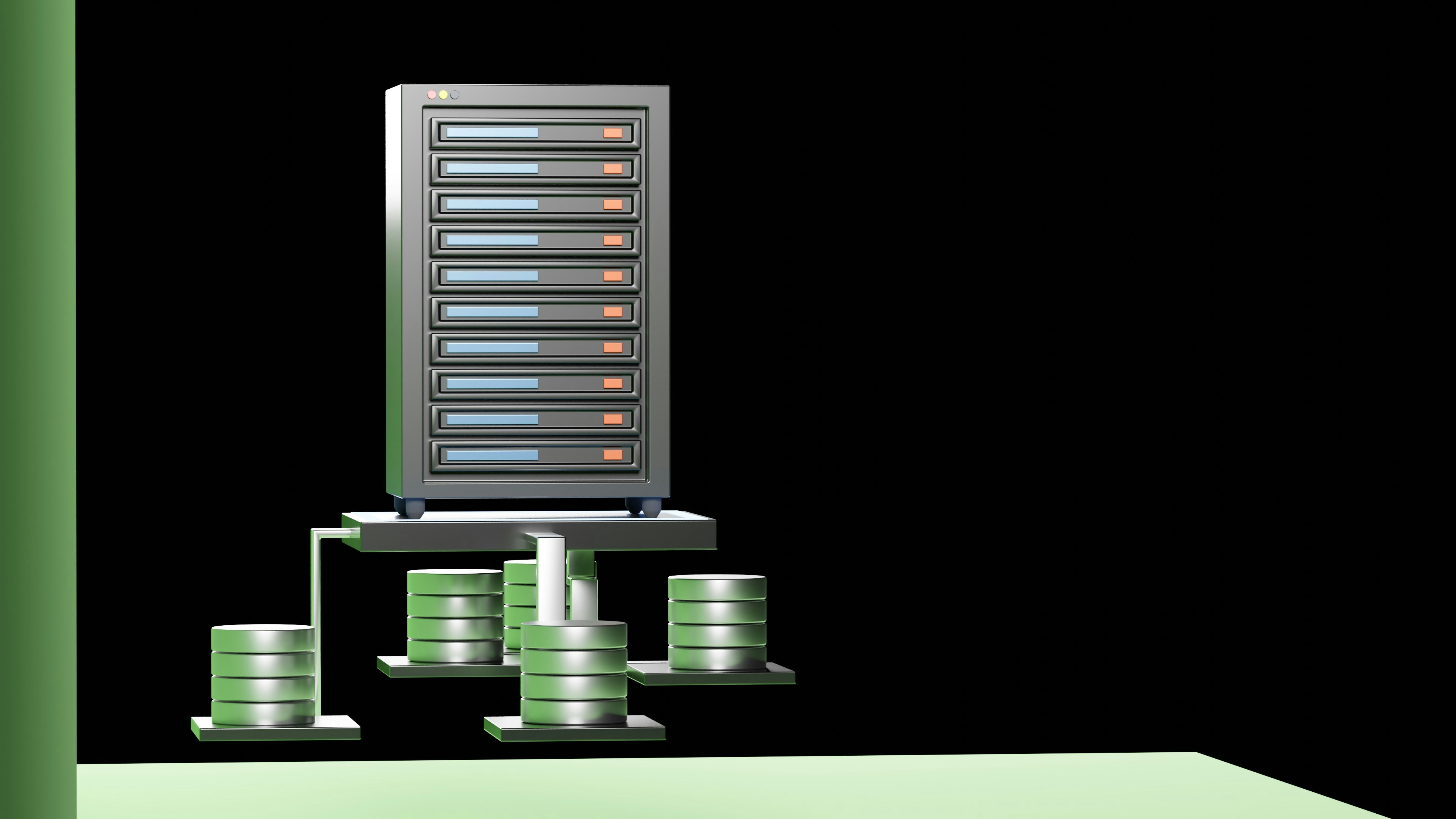
Servers play a crucial role in modern computing by providing resources, services, and management of networked computers. Essentially, a server is a specialized computer designed to process requests and deliver data to other computers, referred to as clients, over a network. The functionality of servers extends beyond mere data storage; they are integral to the effective operation of various network services that facilitate communication, information sharing, and application hosting.
There are several types of servers, each tailored to specific functions within a network. One prominent category is the file server, which is tasked with storing and managing files that can be accessed by multiple clients. This centralization of data simplifies collaboration and ensures consistency in file access, making it essential for organizations with numerous users requiring shared access to documents.
Web servers also comprise a significant type of server. These servers host websites and manage the delivery of web content to users’ browsers. When a user requests a specific webpage, the web server processes the request and transmits the HTML files and associated data to the client, enabling seamless browsing experiences. This server type is critical for e-commerce, online services, and information dissemination.
Additionally, database servers provide users and applications with access to databases, enabling efficient data management and retrieval. These servers manage and execute complex queries while ensuring data integrity and security. Implicitly, they support a variety of applications ranging from enterprise resource planning systems to customer relationship management tools.
In summary, servers are vital components of network architecture, enabling various functionalities that facilitate communication, resource management, and data processing. Their specialized nature and types cater to specific needs, reinforcing their significance in the interconnected world of computing.
Personal Computers (PCs): Everyday Computing
Personal computers (PCs) have become indispensable tools in our daily lives, significantly impacting our productivity, communication, and entertainment. Comprised primarily of desktops and laptops, these devices cater to a variety of user needs, accommodating everything from basic tasks to complex applications. The evolution of personal computers has led to their widespread adoption in both homes and offices, facilitating a new era of convenience and efficiency.
Desktops, characterized by their larger form factor, typically provide enhanced performance and expandability compared to their portable counterparts. They are often utilized in office settings, where users benefit from ergonomically designed setups and robust hardware capable of handling demanding applications. This includes tasks such as graphic design, video editing, and data analysis, which require powerful processing capabilities. On the other hand, laptops offer versatility and mobility, allowing users to work from various locations, whether at home, in coffee shops, or during travel. Their compact design and integrated components make them ideal for students and professionals requiring on-the-go computing.
The significance of PCs extends beyond mere productivity. In recent years, they have transformed the way we engage with entertainment. Personal computers provide access to a wide range of media, including movies, music, and video games, enriching our leisure time and social interactions. Moreover, with the proliferation of high-speed internet, PCs facilitate seamless connectivity, enabling activities such as video conferencing, online collaboration, and content creation.
In summary, personal computers are a cornerstone of modern life, adapting to a multitude of use cases that enhance both work and leisure. Their continual advancements in technology ensure that they will remain a pivotal part of our daily routines, driving innovation and efficiency in ways previously thought impossible.
Mobile Devices: Computing on the Go
In today’s digital age, mobile devices such as smartphones and tablets have become an integral part of daily life. These portable computing devices are designed for ease of use and accessibility, enabling users to perform a myriad of tasks while on the move. Their lightweight design and compact size facilitate seamless portability, allowing individuals to stay connected, informed, and productive irrespective of their location.
The user interface of mobile devices is tailored for touch input, featuring intuitive gestures and icons that enhance the overall user experience. Operating systems like Android and iOS are specifically crafted to enable efficient interaction, providing a range of applications that cater to diverse needs, such as communication, entertainment, and productivity. The availability of millions of apps on platforms like the Google Play Store and Apple App Store exemplifies the versatility of mobile devices, empowering users to customize their devices according to their personal or professional requirements.
Moreover, mobile devices have significantly reshaped communication and social interaction. Instant messaging applications, social media platforms, and video conferencing tools are readily accessible on these devices, facilitating real-time communication with family, friends, and colleagues. This accessibility has fostered a culture of connectivity, where individuals can share experiences and maintain relationships without the constraints of time or geographic boundaries.
The impact of mobile devices on computing accessibility cannot be understated. They have democratized access to information and technology, enabling individuals in various regions to participate in the digital world. This trend has contributed to the rise of digital literacy, particularly in underserved communities, where smartphones serve as a gateway to educational resources, online services, and networking opportunities.
In summary, mobile devices have transformed the way we interact with technology, making computing more accessible and convenient. Their portability, user-friendly interfaces, and extensive application ecosystems not only enrich our personal lives but also enhance professional efficacy, illustrating the profound evolution of computing in recent years.
Embedded Systems: The Unsung Heroes of Technology
Embedded systems are specialized computing devices designed to perform dedicated functions within larger systems. Distinct from general-purpose computers, these systems are typically integrated into the hardware they control, which enables them to execute specific tasks with precision and efficiency. The significance of embedded systems extends across various industries, contributing to enhanced functionality and automation in everyday technologies.
One of the most common applications of embedded systems can be found in the automotive sector. Modern vehicles are equipped with numerous embedded systems responsible for managing critical functions, such as engine control, safety features, and navigation. For example, anti-lock braking systems (ABS) leverage embedded technologies to improve vehicle safety by preventing wheel lock-up during braking. These systems rely on real-time data processing, demonstrating how embedded systems can enhance both performance and safety in automobiles.
Moreover, embedded systems play a crucial role in home appliances, such as refrigerators, washing machines, and microwaves. These devices often utilize embedded controllers to automate various operations, resulting in improved user convenience and energy efficiency. For instance, a smart thermostat can learn user preferences and adjust heating and cooling patterns accordingly, thereby saving energy while ensuring comfort. Such automation showcases the invaluable contribution of embedded systems in everyday life.
Another notable application is in smart devices, which include products like wearables, home security systems, and smart home hubs. Embedded systems in these devices allow for seamless communication and data transmission, enhancing the overall user experience. By enabling features such as remote monitoring and control, these systems exemplify the shift towards connectivity and intelligence in technology.
In conclusion, embedded systems serve as foundational components in a range of applications, from automobiles to household gadgets. Their ability to carry out specialized tasks efficiently makes them essential in the evolving technological landscape. As the demand for smart, automated solutions continues to grow, embedded systems will remain pivotal in shaping the future of technology.
Comparative Analysis: Different Types of Computers
In the realm of computing, various types of computers are designed to serve distinct purposes, each with unique strengths and weaknesses. Understanding these characteristics is essential for leveraging their capabilities effectively. Supercomputers, for instance, boast unparalleled performance, capable of executing trillions of calculations per second. This extraordinary processing power makes them ideal for complex simulations, weather forecasting, and scientific research. However, their high cost and energy consumption render them impractical for everyday applications.
On the other end of the spectrum, personal computers (PCs) exemplify versatility and user-friendliness. These machines are suited for a broad range of tasks, from productivity applications to gaming. Their affordability and accessibility have solidified their position as a staple in homes and offices. However, while PCs excel in general tasks, they lack the computational capabilities necessary for specialized scientific calculations, placing them at a disadvantage compared to supercomputers.
Considering mobile devices like smartphones and tablets, they have transformed how individuals interact with technology. These compact devices are designed for convenience, offering portability and simplicity. They support various applications, including communication, gaming, and multimedia consumption. Despite their advantages, the limited processing power compared to PCs or supercomputers restricts their use for demanding tasks.
Embedded systems take a different approach; they integrate computing elements within larger devices, such as cars or home appliances. Their primary strength lies in their efficiency and purpose-driven design, allowing them to perform specific functions seamlessly. However, their specialized nature often limits their adaptability to tasks outside of their core functions.
Ultimately, the choice between these computer types hinges on the specific requirements of the intended application, budget considerations, and user preferences. A deep understanding of each type’s strengths and weaknesses enables more informed decision-making in selecting the appropriate computing solution for various needs.
The Future of Computing: Trends and Innovations
The landscape of computing is evolving rapidly, driven by significant advancements in technology. As we look toward the future, several emerging trends have the potential to reshape various types of computers and their applications significantly. One of the most anticipated innovations is quantum computing. Unlike classical computers that process information in bits, quantum computers utilize qubits, enabling them to tackle complex problems at unprecedented speeds. This could revolutionize fields such as cryptography, drug discovery, and complex system modeling, leading to a new era of computational capabilities.
Artificial Intelligence (AI) remains another key trend that will continue to define the future of computing. As AI technologies become more sophisticated, they will be integrated into a wider array of computing devices. This will enhance the performance of personal computers, mobile devices, and enterprise systems, allowing them to operate more efficiently and respond intelligently to user needs. Machine learning algorithms, a subset of AI, will make it possible for computers to learn from data patterns autonomously, leading to improved decision-making across industries such as healthcare, finance, and transportation.
The Internet of Things (IoT) also plays a pivotal role in forecasting the trajectory of computing technologies. With billions of interconnected devices generating vast amounts of data, the challenge of managing and analyzing this information will propel the development of new computing systems. Edge computing, which processes data closer to its source rather than relying solely on centralized cloud services, will become increasingly important. This approach not only reduces latency but also enhances data privacy and security by minimizing the journey data must travel.
As these trends unfold, the interplay between supercomputers, personal computers, and embedded systems will lead to transformative changes in how we access, process, and utilize information. The future of computing promises unparalleled innovations that may redefine our technological landscape.