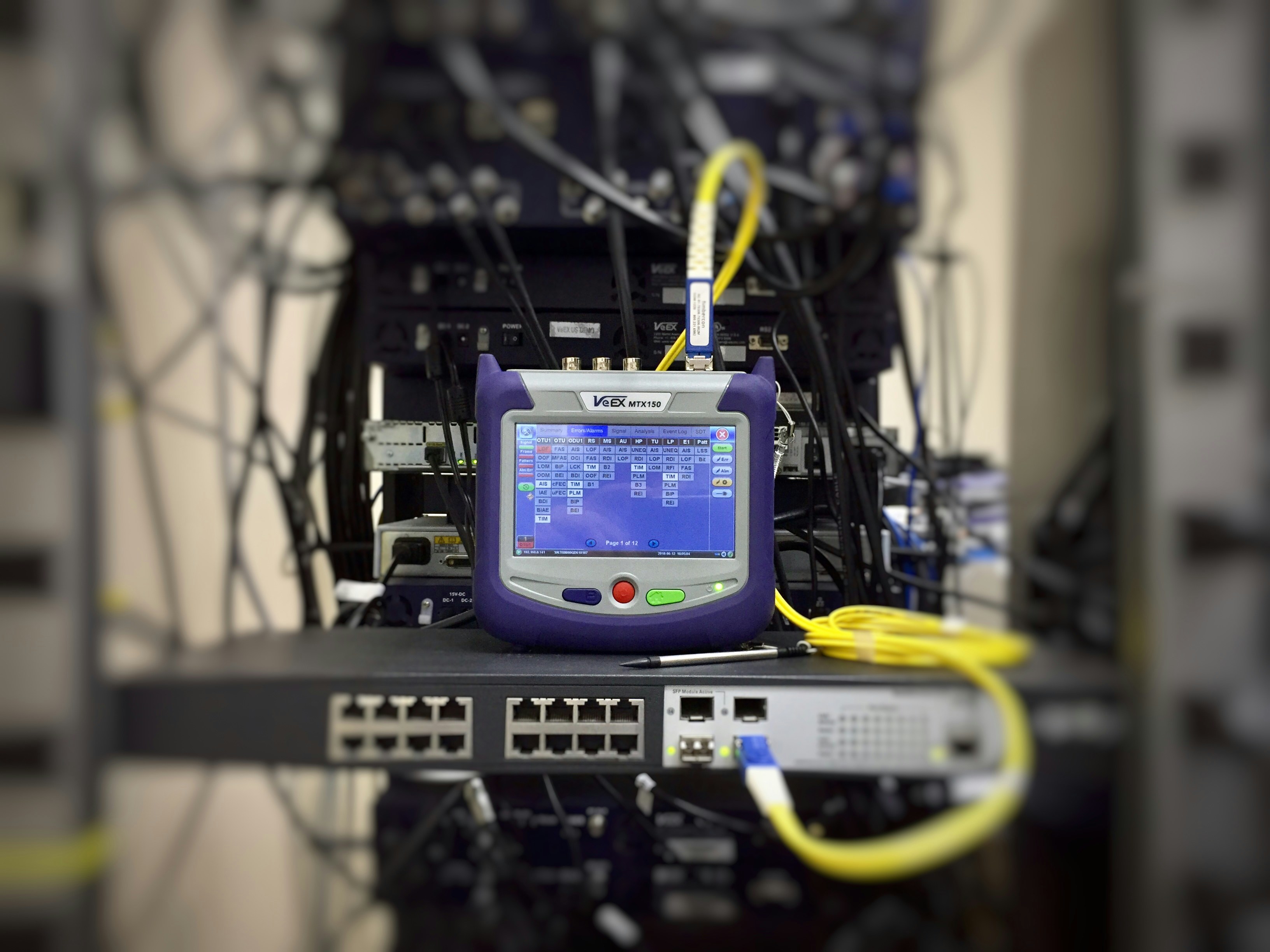
Understanding Networking Basics
Networking is a fundamental concept in the field of computer science that serves as the backbone of modern communication. It involves connecting multiple computing devices, enabling them to communicate and share resources effectively. This interconnectivity is crucial not only for personal use but also for businesses and organizations, which rely on robust networking systems to operate efficiently.
At the core of any network, there are several essential components, including clients, servers, routers, and switches. Clients are devices such as computers, smartphones, or tablets that request data or services from the network. Servers, on the other hand, are powerful computers that provide resources, data, and services to clients over the network. This client-server model is a cornerstone of networking, facilitating the flow of information.
Routers play a crucial role in managing the traffic between different networks. They direct data packets along the most efficient routes, ensuring reliable communication across local and global networks. Similarly, switches connect multiple devices within the same network, allowing them to communicate with one another directly. This process enhances performance and reduces latency, enabling faster data exchange.
The importance of networking extends beyond simple data exchange. It fosters collaboration, enhances productivity, and supports various applications ranging from social media platforms to cloud computing services. As technology continues to advance, the evolution of networking remains paramount, shaping how we connect and interact with the digital world.
Understanding the basics of networking is the first step toward harnessing the full potential of modern communication. By comprehending the roles of clients, servers, routers, and switches, individuals and organizations can cultivate an efficient and effective networking environment, enabling seamless data exchange and resource sharing.
IP Addressing: The Backbone of Networking
IP addressing serves as a fundamental component of modern networking, enabling devices to communicate across diverse networks. An IP address acts as a unique identifier for each device connecting to the internet or a local network, ensuring that data packets reach their intended destinations. Two principal versions of the Internet Protocol, IPv4 and IPv6, provide the framework for this addressing scheme. IPv4, with its 32-bit address space, comprises approximately 4.3 billion unique addresses; however, the exponential growth of internet-connected devices has surpassed this limit, necessitating the development of IPv6.
IPv6 addresses are composed of 128 bits, allowing for a staggering 340 undecillion addresses. This expansion not only relieves the pressure on the dwindling IPv4 address pool but also enhances addressing schemes and improves security features. Utilization of IP addressing is crucial for routing traffic on the internet, as routers rely on IP addresses to forward data packets toward their destination. Understanding the distinction between these two versions is essential for network administrators aiming to design and implement scalable networks.
IP addresses can be categorized into static and dynamic addresses. A static IP address remains constant for a given device, making it easy to locate for remote access and network management purposes. Contrarily, dynamic IP addresses are temporarily assigned by a Dynamic Host Configuration Protocol (DHCP) server, facilitating the efficient use of available address space. This flexibility can optimize network resources, particularly in environments with frequent changes in device connectivity.
Moreover, subnetting is a vital concept associated with IP addressing that enhances network performance and security. By dividing a larger network into smaller, manageable sub-networks, or subnets, administrators can improve traffic management and reduce broadcast domains. This organization of IP addresses aids in efficient routing and maximizes the potential of the network infrastructure.
Domain Name System (DNS): Translating Names to Numbers
The Domain Name System (DNS) serves as a crucial element within the networking landscape, primarily responsible for translating human-readable domain names into machine-readable IP addresses. This translation is essential for allowing users to access websites using easily memorable addresses, rather than complex numerical identifiers. For instance, when a user types in a URL such as www.example.com, the DNS processes this name and responds with the corresponding IP address, enabling the user’s device to connect to the appropriate web server.
DNS operates within a hierarchical structure that comprises various components, including DNS servers and DNS records. At the highest level of this hierarchy are the root DNS servers, which direct requests to the relevant top-level domain (TLD) servers, such as those for .com, .org, or .net. This system supports an efficient means of resolving domain names by systematically querying different servers until the required IP address is obtained. DNS records play an integral role in this process, providing critical information about each domain, including A records (which map hostnames to IP addresses), CNAME records (which create aliases), and MX records (which define mail exchange servers).
The functionality of DNS is vital not only for web browsing but also for many internet services, as it streamlines the way users interact with online resources. Moreover, DNS caching can significantly enhance performance and user experience. Caching allows DNS servers to store previously resolved domain name queries, which reduces the need for repeated lookups of the same address. This not only speeds up access to web pages but also lessens the load on both the DNS servers and the overall internet infrastructure. Without DNS, the ease of accessing websites and online services that we often take for granted would be severely hindered, highlighting its indispensable role in modern network communications.
Firewalls: Protecting Your Network
Firewalls play a critical role in safeguarding computer networks from unauthorized access and potential threats. Acting as a barrier between a trusted internal network and untrusted external networks, firewalls help monitor and control incoming and outgoing traffic based on predetermined security rules. They serve as a fundamental component of network security, ensuring that sensitive data remains protected from malicious actors.
There are primarily two types of firewalls: hardware firewalls and software firewalls. Hardware firewalls are dedicated devices that bridge the network’s connection to the internet, working at the gateway level to provide a robust defense mechanism. They are typically deployed in organizations to protect multiple devices within a network. In contrast, software firewalls are applications installed on individual devices, such as computers or servers, allowing for more granular control over local security settings. Both types are essential, as they complement each other in providing layered security.
Firewalls utilize various methods to monitor network traffic, including packet filtering, stateful inspection, and proxy services. Packet filtering examines the header of data packets, allowing or blocking them based on specific rules, while stateful inspection tracks the state of active connections and determines which packets are part of legitimate traffic. Proxy services act as intermediaries, retrieving data on behalf of clients, thus adding another layer to communication security.
Configuring firewalls effectively is vital for optimal network protection. It is essential to establish rules based on the principle of least privilege, where users and applications can only access the resources necessary for their functions. Regular updates and monitoring of firewall settings are crucial to adapting to new threats. Moreover, combining firewalls with other security measures, such as intrusion detection systems and regular security audits, can further enhance the overall security posture of a network, ensuring robust protection against unauthorized access and other potential vulnerabilities.
Networking Protocols: The Language of Data Exchange
Networking protocols are the essential frameworks that enable communication between devices over a network. They define the rules and conventions for data exchange, ensuring that devices can understand and interpret the information being transmitted. The significance of protocols cannot be overstated, as they facilitate seamless communication across diverse systems and network environments.
One of the most widely used protocols in networking is the Transmission Control Protocol/Internet Protocol (TCP/IP). This protocol suite is fundamental for internet communications, governing how data packets are transmitted over the network. TCP ensures reliable transmission by establishing a connection, breaking data into packets, and managing error correction, while IP is responsible for addressing and routing the packets to their destination. Together, these protocols form the backbone of the internet, enabling everything from web browsing to email transmission.
Another critical protocol is Hypertext Transfer Protocol (HTTP), which underpins the World Wide Web. HTTP facilitates the transfer of hypertext documents and multimedia content from web servers to users’ browsers. It operates on a request-response model, where a client sends a request to the server, and the server responds with the requested resources. Additionally, for transferring files, the File Transfer Protocol (FTP) is commonly used. FTP allows users to upload and download files between a client and server, providing a robust method of file management across networks.
In the context of the OSI (Open Systems Interconnection) model, networking protocols are organized into layers that standardize the process of communication. Each layer, from the physical layer to the application layer, has specific functions and interacts with adjacent layers. This layered approach promotes modularity and simplifies troubleshooting, making it easier to diagnose issues within network communications. Understanding these protocols and their structure is essential for effective networking and data management.
The Role of Routers and Switches in Networking
In the realm of computer networking, routers and switches serve critical but distinct functions that facilitate efficient data communication within and between networks. Understanding the role of each device is essential for establishing and maintaining a robust network architecture.
Routers are specialized devices responsible for directing data packets across various networks. They analyze the destination IP addresses of incoming data packets and determine the best path for transmission. This process relies on routing tables, which contain pre-defined routes to various networks. Depending on the complexity of the network, routers can employ multiple routing protocols, such as Open Shortest Path First (OSPF) or Border Gateway Protocol (BGP), to dynamically choose optimal routes based on current network conditions. In essence, routers operate at Layer 3 (Network Layer) of the OSI model, making decisions that enable communication between different segments of a network, as well as between disparate networks, including connections to the internet.
Conversely, switches operate primarily within a single local area network (LAN) and are responsible for connecting multiple devices such as computers, printers, and servers. By operating at Layer 2 (Data Link Layer) of the OSI model, switches use MAC (Media Access Control) addresses to forward data to the appropriate device without interference from other traffic on the network. They build and maintain a MAC address table to facilitate efficient data forwarding, ensuring that each data packet reaches its intended destination promptly. Unlike routers, which deal with traffic that spans multiple networks, switches are focused purely on managing the traffic within a single network, thereby enhancing overall data transfer speed and efficiency.
Overall, both routers and switches are essential components of modern networking, each fulfilling unique roles that contribute to seamless communication and connectivity. While routers manage traffic between different networks, switches facilitate efficient communication among devices within a local environment. Understanding the distinctions and functions of these devices can greatly enhance one’s ability to design and troubleshoot networking systems.
Understanding Network Topologies
Network topology refers to the arrangement or layout of various elements in a network. It plays a crucial role in determining the network’s performance, scalability, and overall efficiency. There are several common types of network topologies, each with distinct characteristics, advantages, and disadvantages. The primary topologies include star, bus, ring, and mesh configurations.
The star topology is among the most popular configurations, where all nodes connect to a central hub or switch. This structure allows for easy management and troubleshooting, as problems in one cable do not affect the entire network. However, the central hub represents a single point of failure, so if it goes down, the entire network becomes inoperable. Star topologies are often implemented in office environments where reliability is crucial.
Another common type is the bus topology, in which all devices share a single communication line. This configuration is cost-effective and simple to implement, but it can lead to performance degradation as more devices are added. Additionally, if the main cable fails, it disrupts the entire network. Bus topologies may be suitable for small networks, but they typically struggle with scalability.
Ring topology, as the name indicates, connects all devices in a circular manner, allowing data to flow in one direction. This design can enhance performance since each device regenerates the signal for the next. However, similar to other topologies, a failure in one device can bring down the entire network, making it less reliable. This topology might be applied in scenarios requiring orderly communication.
Lastly, the mesh topology connects multiple devices, providing multiple paths for data to travel between them. This redundancy enhances network reliability and performance, making it suitable for critical applications. However, the complexity and costs associated with mesh configurations often limit their use to specialized scenarios, such as data centers or larger enterprise networks. Each of these topologies has its unique implications for performance and scalability, making their understanding essential for effective network design.
Troubleshooting Common Networking Issues
Networking issues can arise for various reasons, leading to disrupted connectivity and compromised performance. Understanding how to diagnose and fix these issues is essential for both individuals and organizations. Common problems include connectivity disruptions, slow network performance, IP address conflicts, and DNS resolution failures.
One of the first steps in troubleshooting connectivity issues is to verify physical connections. Ensure that all cables are securely plugged in and that devices are powered on. If the issue persists, check the network settings on the device experiencing problems. Often, resetting the network adapter can resolve transient connectivity issues. Additionally, performing a ping test to the router or an external website can help identify if the problem lies within the local network or beyond.
Slow network performance is another frequent concern. Factors such as bandwidth limitations, network congestion, and outdated hardware can contribute to lag. Monitoring tools can be employed to assess bandwidth usage and identify any specific applications or devices that are hogging resources. Upgrading hardware, replacing old routers, or implementing quality of service (QoS) settings can improve performance significantly.
IP address conflicts occur when two devices on the same network are assigned the same IP address. This can lead to intermittent connectivity and access issues. To troubleshoot this, one can utilize the command-line interface to release and renew the IP address on affected devices. Additionally, configuring devices to obtain IP addresses automatically via DHCP can help mitigate such conflicts.
Lastly, DNS resolution issues can prevent users from accessing websites or services. Users should check their DNS settings and can consider switching to more reliable public DNS servers, such as Google DNS or Cloudflare, for better resolution speed. Tools like nslookup and dig can assist in diagnosing DNS problems effectively.
In conclusion, effective troubleshooting of networking issues involves methodical examination and utilization of diagnostics tools. By following systematic steps and understanding the underlying components of networking, users can resolve common problems efficiently.
Future Trends in Networking
The networking landscape is undergoing significant transformation, driven by advancements in technology and the evolving demands of users. One of the most impactful trends is the widespread adoption of 5G technology. With its promise of faster data speeds, lower latency, and improved connectivity, 5G is set to revolutionize the way devices communicate. This evolution in mobile networking will not only enhance smartphone experiences but also enable a multitude of connected devices and applications across various sectors, including healthcare, transportation, and smart cities.
Another noteworthy trend is the rise of Software-Defined Networking (SDN). By decoupling the network control from the physical hardware, SDN offers increased flexibility and efficiency in managing network resources. Businesses can dynamically adjust their networks in real-time, responding to changing demands and enhancing their overall operational agility. This is particularly beneficial in environments where cloud computing and virtualization are prevalent, allowing for seamless integration and management of resources.
The Internet of Things (IoT) connectivity is also gaining momentum, transforming traditional networking paradigms. As more devices become connected, the need for robust and scalable network infrastructures becomes paramount. Networking solutions must adapt to accommodate the exponential increase in data traffic generated by IoT devices while maintaining seamless inter-device communication. This growth requires innovative approaches to network design and management, pushing organizations to rethink their connectivity strategies.
Furthermore, enhanced cybersecurity measures will play a pivotal role in shaping the future of networking. As cyber threats become increasingly sophisticated, businesses and individual users must prioritize network security. Technologies such as artificial intelligence and machine learning are being integrated into networking solutions to proactively detect and mitigate potential threats, ensuring data integrity and user privacy. Ultimately, these trends reflect a shift towards more resilient, efficient, and secure networking environments, preparing organizations for the challenges and opportunities that lie ahead.