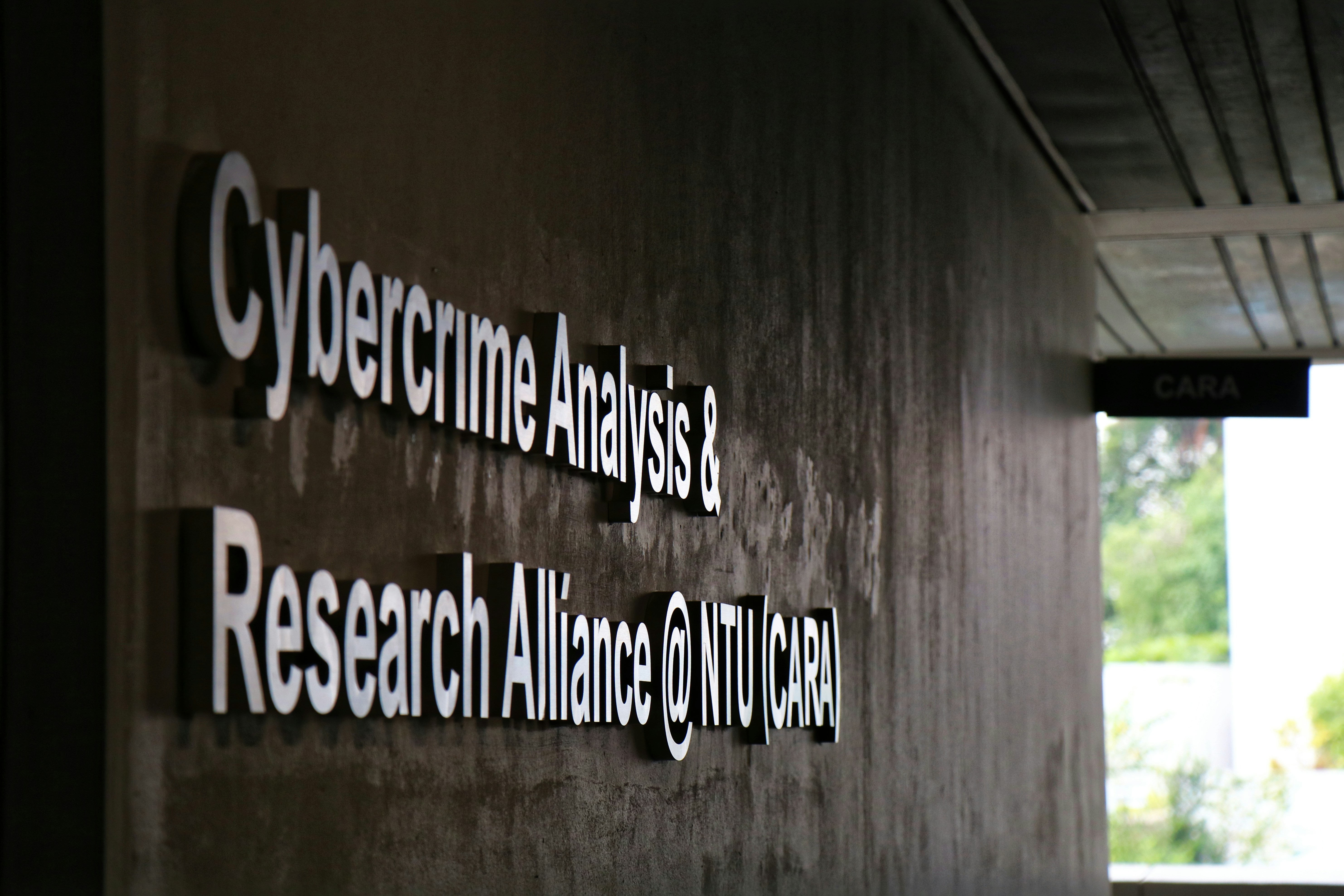
Introduction to Cybersecurity
In an era where digital information is critical to personal, business, and governmental functions, cybersecurity has emerged as an essential field dedicated to protecting these valuable assets. The term cybersecurity refers to the protective measures and technologies employed to safeguard computers, networks, and data from unauthorized access, attacks, and damage. As society becomes increasingly reliant on technology, the importance of robust cybersecurity practices cannot be overstated.
Cyber threats are more sophisticated and varied than ever before, encompassing a range of malicious activities such as phishing attacks, ransomware deployments, and data breaches. These threats can originate from external entities like hackers or internal vulnerabilities due to human error. With the rise of the internet of things (IoT), where interconnected devices communicate and share information, the attack surface has expanded, making both individuals and organizations more vulnerable to cyber incidents.
The role of cybersecurity professionals is pivotal in addressing the myriad challenges posed by these threats. They are tasked with assessing risks, implementing protective measures, and responding to incidents. By utilizing a combination of technical skills and knowledge of security protocols, they work to fortify networks and information systems against potential intruders. Cybersecurity analysts, in particular, monitor for suspicious activity, analyze security breaches, and develop strategies to prevent future attacks. Their expertise is crucial in educating employees and the public about best practices in maintaining information security.
Ultimately, the field of cybersecurity serves not only to protect sensitive data but also to foster trust in digital interactions. As cyber threats continue to evolve, the demand for skilled cybersecurity professionals will undeniably grow, making the understanding of this discipline more vital than ever in today’s interconnected world.
What Does a Cybersecurity Analyst Do?
A cybersecurity analyst plays a crucial role in an organization’s information security protocol. Their primary responsibility is to monitor network traffic for suspicious activities, ensuring the integrity and confidentiality of data. By employing various analytics tools and strategies, these professionals can identify potential vulnerabilities before they are exploited by malicious actors. In a landscape where cyber threats are constantly evolving, the importance of this role has grown significantly.
One of the key functions of a cybersecurity analyst is to conduct vulnerability assessments. This involves evaluating both the software and hardware systems to detect weaknesses within the organization’s network. Utilizing specialized tools, such as vulnerability scanners and penetration testing software, analysts are tasked with not only identifying existing risks but also recommending enhancements to mitigate these vulnerabilities. Regular assessments help create a robust security framework that can prevent data breaches and unauthorized access.
In addition to monitoring and assessment, cybersecurity analysts are often the first responders in the event of a security incident. Their role is to analyze the situation, determine the extent of a breach, and implement appropriate measures to contain and remediate the threat. This includes managing incident response protocols, collaborating with IT staff, and ensuring that affected systems are restored securely. Effective communication skills are essential, as they must relay complex information to non-technical stakeholders during these critical scenarios.
To thrive in this field, cybersecurity analysts should possess a mix of technical proficiency and analytical thinking. Familiarity with firewalls, intrusion detection systems, and encryption technologies is essential. Additional skills in programming languages enhance their problem-solving capabilities, allowing them to craft automated solutions for recurring issues. Altogether, the responsibilities of a cybersecurity analyst are integral to protecting an organization’s digital assets from the ever-present threat of cybercrime.
Essential Skills for Cybersecurity Analysts
To embark on a successful career as a cybersecurity analyst, individuals must develop a diverse skill set that balances technical expertise with soft skills. Cybersecurity analysts play a vital role in protecting organizations from cyber threats, which necessitates proficiency in various disciplines.
One of the foundational technical skills required is a solid understanding of security protocols and methodologies. Analysts should be familiar with the principles of information security, such as confidentiality, integrity, and availability, commonly referred to as the CIA triad. Additionally, practical knowledge of networking concepts and system architectures is crucial, as these elements are often the targets of cyberattacks. A thorough grasp of firewalls, intrusion detection systems (IDS), and virtual private networks (VPNs) can empower analysts to detect and respond to potential threats effectively.
Programming languages also play a significant role in a cybersecurity analyst’s toolkit. Proficiency in languages such as Python, JavaScript, and C/C++ allows analysts to automate tasks, write custom scripts for threat detection, and analyze security vulnerabilities. Moreover, familiarity with security information and event management (SIEM) tools is essential for monitoring and analyzing security incidents in real time.
In addition to technical acumen, soft skills are equally important in the cybersecurity domain. Problem-solving abilities enable analysts to navigate complex security challenges and devise innovative solutions. Strong communication skills are vital for articulating potential risks and security measures to stakeholders, ensuring that everyone understands the threats and the strategies employed to mitigate them. Collaboration within diverse teams enhances the effectiveness of the security posture, as it enables the sharing of insights and approaches to tackle various challenges.
Ultimately, aspiring cybersecurity analysts should aim to cultivate both technical and soft skills, creating a well-rounded profile that can adeptly address the multifaceted nature of cybersecurity threats in the digital landscape.
Educational Pathways and Certifications
Entering the field of cybersecurity as an analyst typically begins with a solid educational foundation. While there is no one-size-fits-all approach, many professionals pursue bachelor’s degrees in fields such as computer science, information technology, or cybersecurity itself. Such degree programs provide learners with essential knowledge in network security, system administration, and risk management, which are integral to the analyst role. Additionally, there are a growing number of specialized degree programs that focus exclusively on cybersecurity, designed to equip students with both theoretical and practical understanding.
In addition to formal education, practical experience is invaluable for aspiring cybersecurity analysts. Internships, co-op programs, or entry-level positions in IT or network support can be advantageous, as they allow individuals to apply their academic knowledge in real-world scenarios. Many educational institutions also offer hands-on labs and simulations, allowing students to practice critical skills related to threat detection and response.
Certifications play a vital role in distinguishing candidates in the competitive cybersecurity job market. For instance, CompTIA Security+ is often recommended as an entry-level certification, as it validates foundational skills necessary for any cybersecurity role. Progressing to certifications such as the Certified Information Systems Security Professional (CISSP) signifies an advanced level of expertise and is highly regarded by employers. Such credentials not only enhance a candidate’s resume but also provide ongoing learning opportunities and industry recognition.
Another important certification is the Certified Ethical Hacker (CEH), which focuses on understanding and mitigating hacking techniques from an ethical standpoint. This certification enables professionals to think like attackers while safeguarding organizational assets. Ultimately, combining a relevant educational background with recognized certifications lays the groundwork for a successful career as a cybersecurity analyst.
Building Experience in Cybersecurity
As the demand for skilled professionals in cybersecurity continues to rise, gaining practical experience in the field is crucial for aspiring analysts. Internships offer an excellent starting point, allowing individuals to work alongside experienced professionals and gain hands-on experience in real-world scenarios. Many organizations, ranging from large corporations to smaller firms, provide internship opportunities specifically designed for those looking to enter the cybersecurity workforce. This experience not only enhances technical skills but also provides insights into the daily operations and challenges faced within the industry.
In addition to internships, participating in laboratory work can significantly bolster one’s expertise in cybersecurity. Many academic institutions and online platforms offer virtual labs where individuals can engage in simulation exercises, penetration testing, and vulnerability assessments. These labs allow for practical application of theoretical knowledge, enabling participants to develop a deeper understanding of cybersecurity tools and techniques. Engaging in lab work is particularly beneficial for those who may not have immediate access to a professional setting, as it fosters skill acquisition in a controlled environment.
Moreover, in a field that evolves rapidly, staying informed about the latest trends and threats is essential. Volunteering for cybersecurity initiatives can also provide valuable opportunities to build experience. Many non-profit organizations and community groups seek volunteers to assist with their cybersecurity needs, providing a platform to contribute while enhancing one’s skill set. Networking within professional associations, attending conferences, and participating in online forums are additional avenues for gaining insights from seasoned experts. By connecting with others in the field, aspiring analysts can forge relationships that may lead to job opportunities and mentorship.
Understanding Cybersecurity Tools and Technologies
In the rapidly evolving field of cybersecurity, professionals utilize a wide array of tools and technologies to protect organizations from evolving threats. Firewall systems are one of the primary technologies employed. They act as a barrier between trusted internal networks and untrusted external networks, monitoring and controlling incoming and outgoing network traffic based on predetermined security rules. By deploying firewalls effectively, cybersecurity analysts can significantly reduce the risk of unauthorized access to sensitive data.
Intrusion Detection Systems (IDS) are another crucial component in the cybersecurity toolkit. These systems monitor network traffic for suspicious activity and potential threats. When an intruder attempts to breach a network, the IDS alerts cybersecurity professionals, enabling them to respond swiftly to mitigate any potential damage. This proactive monitoring ensures that organizations can address vulnerabilities before they are exploited.
Antivirus software is a staple in any comprehensive cybersecurity strategy, serving as a first line of defense against malware and other malicious threats. This software scans and identifies harmful entities within a system, providing real-time protection against viruses, worms, and trojans. Regular updates of antivirus programs are essential to defend against new threats and ensure the continued integrity of data.
Encryption tools are also vital in securing sensitive information. By converting data into a coded format that is unreadable without the appropriate decryption key, these tools provide an additional layer of security for data both at rest and in transit. Implementing robust encryption practices is essential for safeguarding intellectual property and adhering to data protection regulations.
By understanding and effectively utilizing these cybersecurity tools and technologies, analysts enhance their capability to protect organizational data against a myriad of cyber threats. Their knowledge and proactive use of these tools are fundamental in maintaining a secure and resilient IT environment.
Career Opportunities and Job Outlook
The demand for cybersecurity analysts has seen a significant rise over the past decade, primarily driven by the increase in cyber threats and the growing importance of data protection across various sectors. The Bureau of Labor Statistics (BLS) projects that employment for information security analysts will grow by 31% from 2019 to 2029, substantially faster than the average for all other occupations. This surge in job growth can be attributed to organizations’ urgent need to safeguard sensitive information, leading to a consistent rise in opportunities within the cybersecurity field.
Cybersecurity analysts are employed across diverse industries, including finance, healthcare, government, and technology. Each sector requires robust cybersecurity measures to protect confidential data and comply with regulations, thereby creating numerous roles for analysts. For instance, financial institutions often seek cybersecurity talent to defend against threats that could compromise client data or disrupt services. Similarly, the healthcare sector increasingly prioritizes the protection of patient information, leading to ample job opportunities for professionals within this field.
As the digital landscape evolves, emerging technologies such as artificial intelligence, cloud computing, and the Internet of Things (IoT) are expected to shape future cybersecurity careers. Analysts knowledgeable in these areas may find themselves in high demand, as organizations look to mitigate risks associated with these advancements. Moreover, with the rise of remote work and increased reliance on digital platforms, the requirement for cybersecurity analysts has expanded beyond traditional corporate environments, leading to opportunities in consultancy and freelance roles.
In terms of salary expectations, cybersecurity analysts can generally anticipate a competitive income. According to the latest data from the BLS, the median annual wage for information security analysts was over $100,000 in 2020, with certain positions, especially those requiring specialized skills or advanced certifications, offering even higher compensation. Thus, pursuing a career as a cybersecurity analyst not only presents substantial growth potential but also rewards professionals with attractive salaries and job stability in a rapidly evolving field.
Challenges Faced by Cybersecurity Analysts
Cybersecurity analysts play a critical role in safeguarding organizations from various digital threats. However, they encounter several challenges that can complicate their efforts. One significant challenge faced by these professionals is the need to stay ahead of emerging threats. The cybersecurity landscape is constantly evolving, with new vulnerabilities and attack vectors appearing regularly. Analysts must remain vigilant and updated on the latest trends in malware, phishing tactics, and other cyber threats to effectively protect their organizations.
Moreover, cybersecurity analysts often deal with complex security situations that require advanced problem-solving skills. As incidents arise, they must quickly assess the situation, determine the severity, and implement appropriate countermeasures, all while ensuring minimal disruption to the organization’s operations. This complexity can lead to stressful environments as analysts juggle multiple tasks, often under tight deadlines. The pressure to protect sensitive data and maintain compliance with regulatory requirements adds another layer of difficulty.
Additionally, the emotional toll of dealing with security breaches can be significant. Analysts may experience burnout due to the high demands of their role, which involves irregular hours and constant on-call responsibilities during critical incidents. To cope with these pressures, many professionals rely on effective stress management techniques. This can include regular physical exercise, mindfulness practices, and maintaining a healthy work-life balance. Investing in professional development is another strategy that helps analysts enhance their skills and confidence in handling complex security challenges.
In summary, while the role of a cybersecurity analyst is essential for organizational safety, it is fraught with challenges such as emerging threats and stress management. By employing various coping strategies and staying educated, analysts can navigate these hurdles effectively.
Conclusion and Future of Cybersecurity Analysis
In summary, the journey to becoming a cybersecurity analyst is multifaceted and involves a comprehensive understanding of various technical skills, certifications, and practical experience. Throughout this guide, we have explored the essential competencies required, including knowledge of security protocols, risk management, cyber threat intelligence, and the importance of soft skills such as problem-solving and communication. These elements are crucial in enabling analysts to effectively safeguard an organization’s information systems against an ever-evolving landscape of cyber threats.
The future of cybersecurity analysis promises to be dynamic and challenging. As technology continues to advance, the breadth of cyber threats expands, including the rise of artificial intelligence and automation in cyberattacks. In response to these developments, cybersecurity analysts must commit to lifelong learning. Staying informed about emerging trends, tools, and techniques is imperative. Participating in professional development opportunities such as workshops, conferences, and online courses can significantly enhance one’s knowledge base and adaptability.
Moreover, networking with peers in the field can also provide valuable insights and foster collaborative opportunities. Engaging with professional organizations like (ISC)² or the Information Systems Security Association (ISSA) can further augment one’s resources for continuous education. One must keep abreast of the latest regulations and compliance standards as they evolve, ensuring their skills remain relevant and effective in thwarting sophisticated cyber threats.
As we look ahead, the role of cybersecurity analysts will not only focus on technical proficiency but also on an ethical and strategic approach toward cyber defense. Emphasizing critical thinking and a proactive mindset will be essential skills for navigating future complexities. By leveraging ongoing education and embracing new challenges, aspiring cybersecurity analysts can position themselves for success in protecting organizations from an ever-increasing range of cyber vulnerabilities.